
The right shipping carton closure method depends on the packed product, carton handling route, storage plan, and whether the box must be reopened. Start by comparing packing tape, strapping, and a combined closure against those conditions. Then put the selected method in your supplier brief so every quotation covers the same use case.
What is the right shipping carton closure method for export freight?
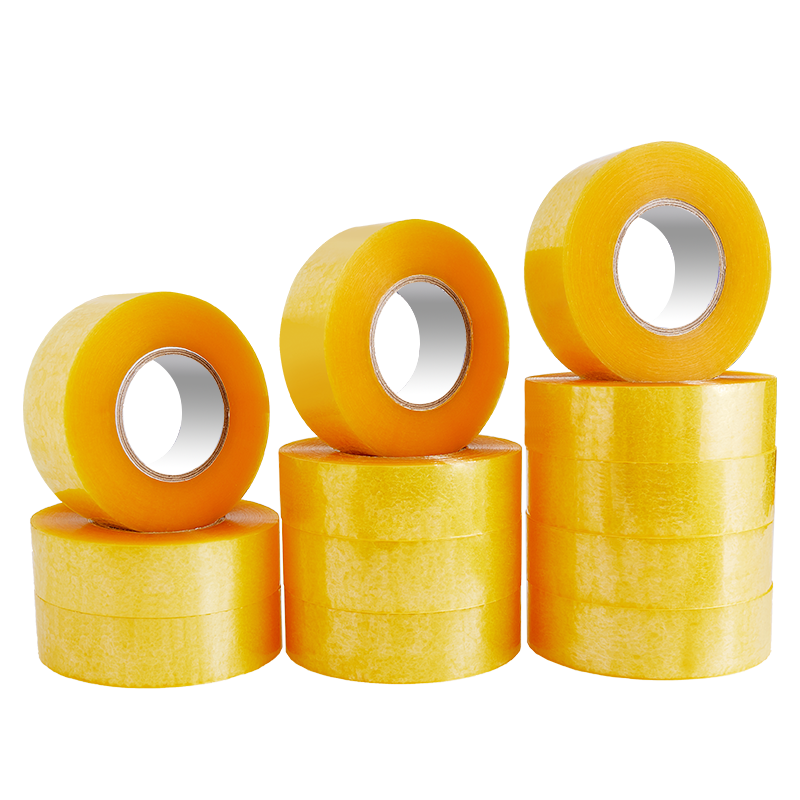
For many cartons, packing tape is the first closure option because it seals the top and bottom flaps and fits routine carton handling. Strapping becomes more relevant when the carton needs an additional band around its outside or when the buyer wants to group cartons for handling. A combined tape-and-strapping method can be considered when the carton needs both flap closure and external unitizing.
The decision should be made from the shipment workflow, not from the closure material alone. Before you request a quotation, record the packed product, carton construction, storage and handling route, opening requirements, and the closure method you expect the supplier to review.
RX Packaging is a packaging manufacturer based in Foshan, China, founded in 2007. Its site presents shipping cartons, sealing tape, and strapping as separate product areas, so a buyer can keep the carton decision connected to the closure materials without treating them as one interchangeable product.
What should you compare before choosing carton closure?
What is inside the carton?
Write down what the carton will hold and whether the packed product can shift, press against the flaps, or require extra handling protection. The supplier should review the packed product and the carton brief together. If the product is fragile, irregular, or made up of several pieces, ask how the closure method will work with the internal packing arrangement.
Do not replace this review with a generic request for “strong packaging.” Ask the supplier to confirm which closure method is being quoted and what information they used to select it.
How will the carton be handled and stored?
Describe the route from packing to final delivery. Include whether cartons will be hand-carried, palletized, moved through a warehouse, opened for inspection, or handled more than once before shipment. If you use more than one handling stage, tell the supplier before they recommend a closure method.
The existing Shipping Carton category can help you separate the carton selection from the closure discussion. The closure brief should then state whether the box will be sealed with tape, banded with strapping, or reviewed for both.
Will the carton need to be opened and closed again?
A carton that is opened during inspection or order fulfillment has a different operating requirement from a carton that is closed once and shipped. Ask who will open the carton, whether it will be resealed, and whether the same closure material will be available at every handling point.
These answers do not automatically select a product. They give the supplier the conditions needed to compare the options without guessing.
When is packing tape the practical carton closure choice?
Packing tape is a practical starting point when the main requirement is to close the carton flaps and keep the carton ready for normal warehouse handling. It can suit a buyer who wants a simple application step and a closure that is easy to specify in an RFQ.

Before approving tape as the only closure, confirm these points with the supplier:
- The tape type and application method being quoted
- The carton surface and flap arrangement used for the recommendation
- Whether the carton will be stored or handled in conditions that require additional review
- How the tape will be applied consistently by the packing team
- What inspection or sample-approval steps are available before mass production
For a narrower tape decision, compare the guidance in Packing Tape Adhesion Test: How to Verify It Will Hold and Packing Tape Width vs Carton Size. Those pages address tape performance and width questions; this article focuses on the larger closure-method choice.
When should a buyer add strapping to a shipping carton?
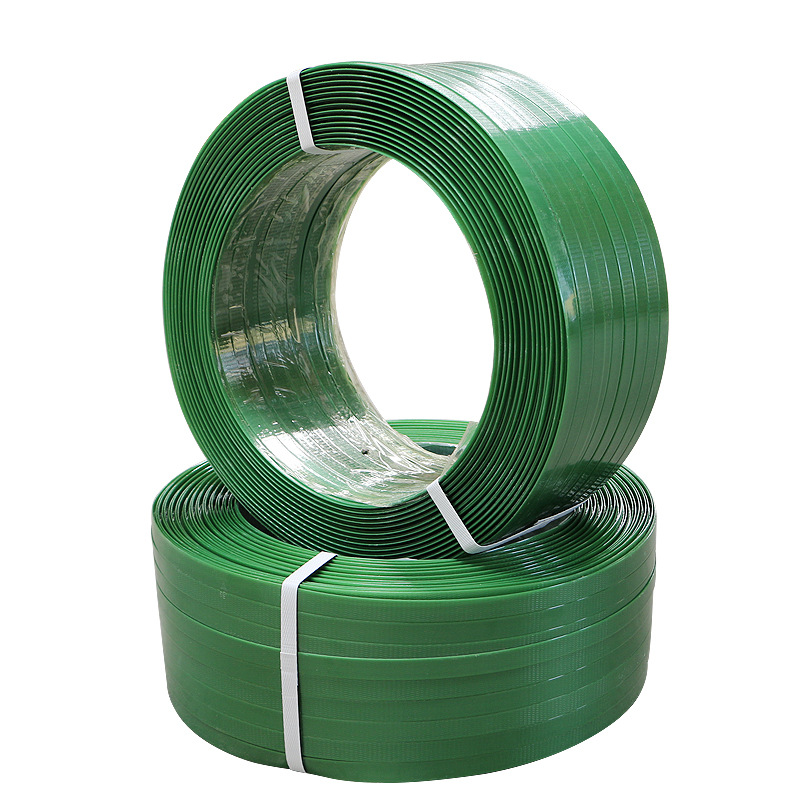
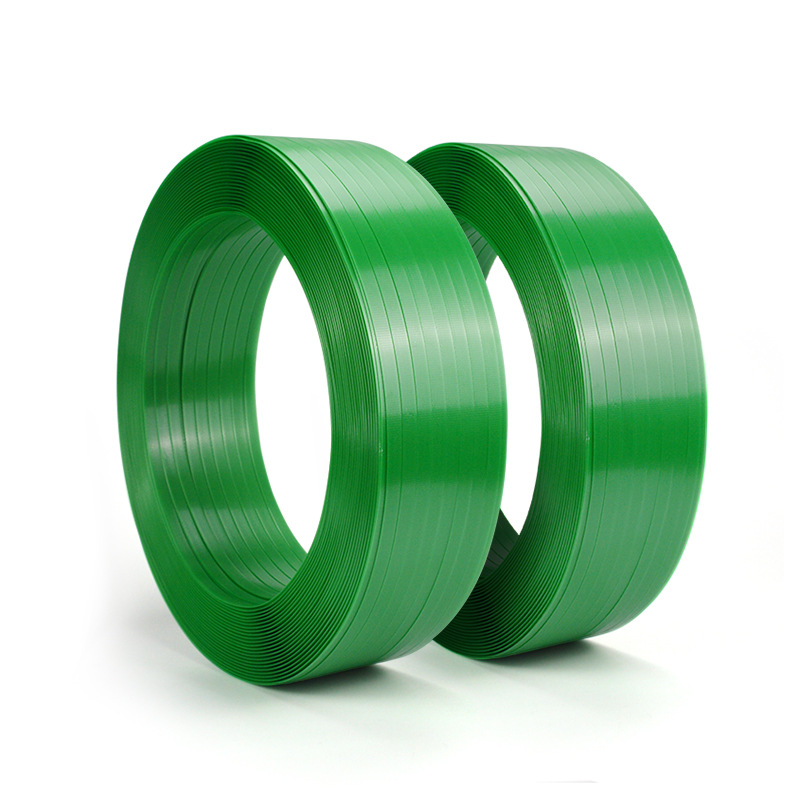
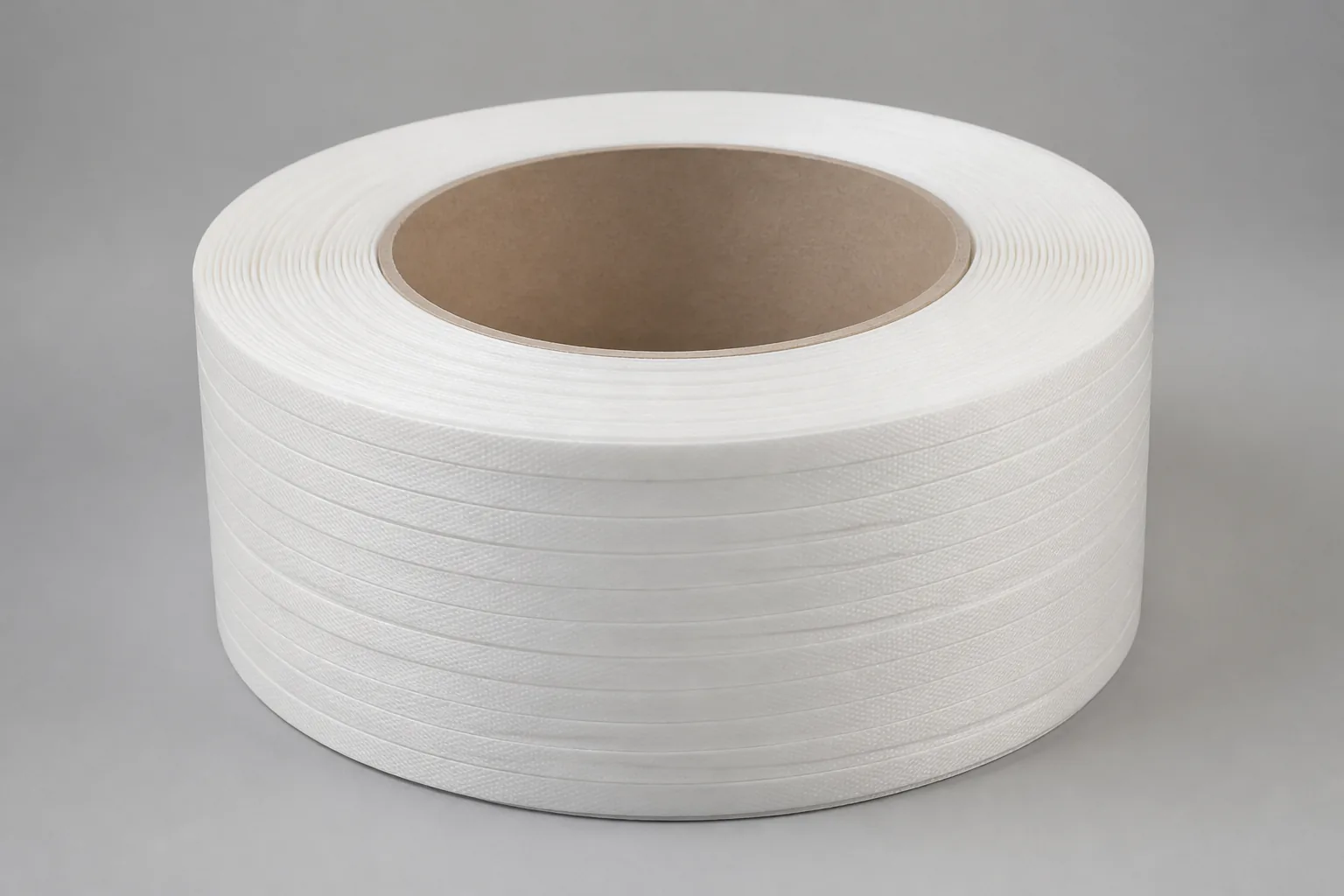
Strapping is worth reviewing when the packaging plan needs a band around the carton or when several cartons must be kept together for handling. It may also be relevant when the buyer wants a closure discussion that includes the outer unit, not only the carton flaps.
Ask the supplier to confirm:
- Whether the quoted band is intended for the carton, a group of cartons, or a pallet unit
- How the band will be tensioned, joined, and applied in your operation
- Whether edge protection or another protective step is needed for the carton corners
- How the proposed band works with your handling tools and packing sequence
- Which sample or inspection checks will be used before approval
RX Packaging lists PP and PET strapping as product areas. If PP strapping is under consideration, ask the supplier to confirm the material basis for the quoted product. RX Packaging also states that new PP raw material applies to its tape and PP strapping products, so keep that confirmation limited to those product lines rather than extending it to the carton itself.
For material selection, see PP vs PET Strapping: The Complete 2026 Comparison. For the carton-closure decision, keep the question narrower: which closure method fits this carton and handling route?
When does a combined tape-and-strapping closure make sense?
A combined method can be reviewed when the carton flaps need sealing and the outside of the carton also needs a band. This is a packaging-system decision. The tape closes the carton seam; the strapping provides a separate external banding step. Do not assume that adding a second material solves a problem unless the supplier has reviewed the complete packing sequence.

A combined-method review should answer four practical questions:
- Which step is completed first: carton sealing or strapping?
- Where will the carton be handled between those two steps?
- What tools, operators, and inspection points are required?
- Which part of the closure plan is the supplier responsible for confirming?
If you are comparing a carton supplier with a separate tape or strapping supplier, put both responsibilities into the RFQ. Otherwise, each quotation may address only one part of the closure plan.
What should you confirm with a packaging supplier before ordering?
Use the following checklist in your purchasing file:
- Product packed and a clear description of its handling sensitivity
- Carton dimensions and construction already selected or still under review
- Packing location and the people or equipment applying the closure
- Warehouse storage and shipment handling route
- Tape-only, strapping-only, or combined closure under review
- Need for opening, inspection, and reclosure
- Sample-approval process and final inspection steps
- Material information for tape or PP strapping where relevant
- Any required edge protection, tools, or application instructions
- The exact closure method written on the quotation and purchase documents
RX Packaging’s recyclable carton product page is a relevant starting point for a carton inquiry. Send the packed-product description, handling route, closure preference, and required sample information through the RX Packaging contact page so the supplier can respond to a defined use case.
Shipping carton closure decision table
| Buyer situation | First method to review | What to confirm before ordering | Related RX Packaging page |
|---|---|---|---|
| Standard carton packing with a defined flap seam | Packing tape | Tape type, application method, carton surface, and sample approval | Sealing Tape category |
| Carton or carton group needs an external band | Strapping | Band material, tensioning and joining method, tools, and edge protection | Strapping Band category |
| Flap sealing and external unitizing are both required | Tape plus strapping | Sequence, tools, inspection points, and supplier responsibilities | Shipping Carton category |
| Closure method is still unclear | Supplier review of all relevant options | Packed product, handling route, opening needs, samples, and written quotation scope | Contact RX Packaging |
The table is a decision aid, not a performance guarantee. The supplier should confirm the final closure plan against your actual carton, product, and handling conditions.
FAQ: Shipping carton closure methods
Is packing tape enough for an export shipping carton?
It can be suitable when the carton flap seam and handling route support a tape-only closure. Give the supplier the packed-product and handling details, then ask for the tape type, application method, and sample-approval plan in writing.
Should I use strapping instead of packing tape on a carton?
That depends on whether you need only flap sealing or also an external band around the carton or a group of cartons. Compare the two methods against your handling sequence rather than choosing by material name alone.
Can I use packing tape and strapping together?
Yes, a combined method can be reviewed when the plan needs both flap sealing and external banding. Confirm the application order, tools, inspection points, and responsibility for each step before ordering.
What information should I send a supplier for a closure recommendation?
Send the product description, packed-product dimensions and weight, carton construction if already selected, handling and storage route, opening requirements, and the closure method you want the supplier to compare.
Does carton closure choice replace carton selection?
No. Carton construction, dimensions, and closure are related decisions but different review points. Confirm the carton first or state what remains open, then ask the supplier to evaluate the closure method against that carton brief.
How can I avoid comparing different closure quotes?
Use one written brief for every supplier. State whether the quotation covers tape, strapping, or both, and include the application and inspection steps you expect to be included.
What should I ask about PP strapping material?
Ask the supplier to identify the material basis of the quoted PP strapping and to state what sample or inspection process supports the quotation. Keep material claims specific to the strapping product rather than applying them to the carton.