PP vs PET Strapping: The Full Buyer Guide
PP vs PET strapping comes down to one trade-off: PP is cheaper and more elastic, while PET carries heavier loads with far less stretch. PP suits light cartons, short trips and hand tools; PET suits dense pallets, high tension and long storage. Choosing wrongly shows up as loosened pallets, crushed cartons or bands that snap at the seal. This guide helps buyers decide which polymer fits each SKU and how to prove it before ordering.
1. What is the real difference between PP vs PET strapping?
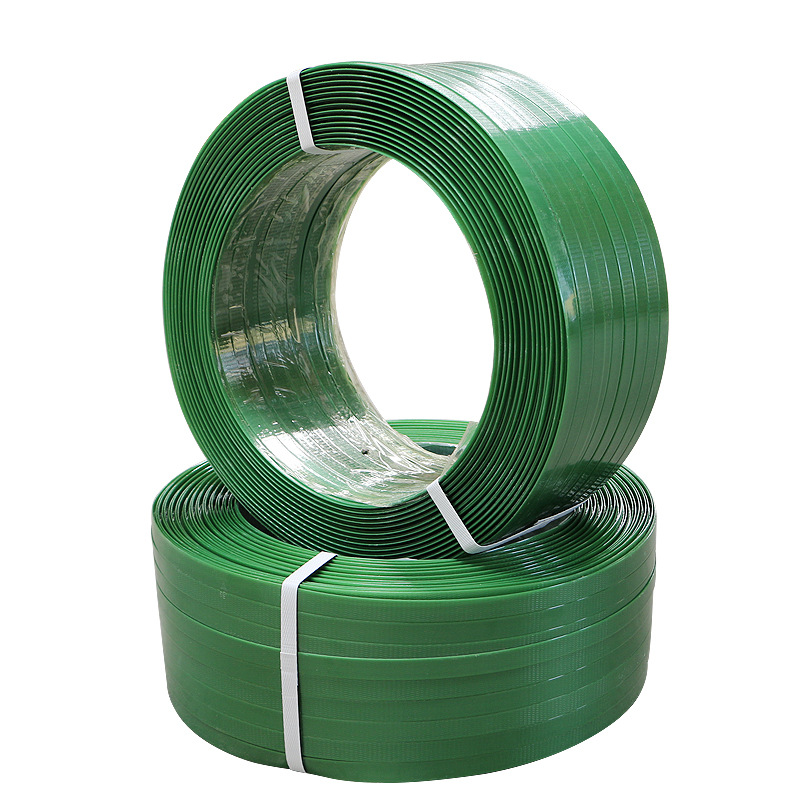
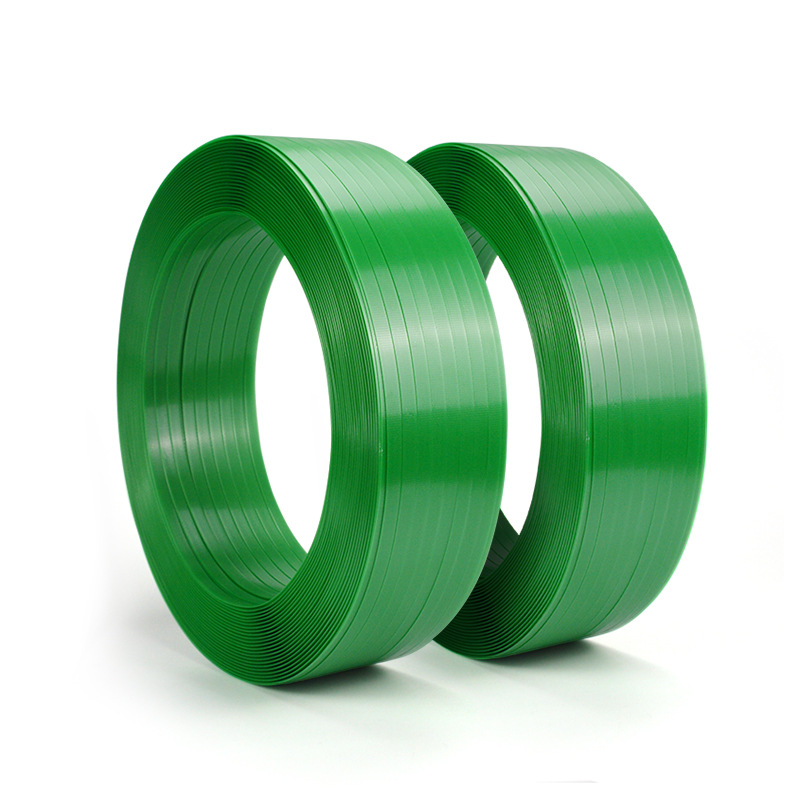
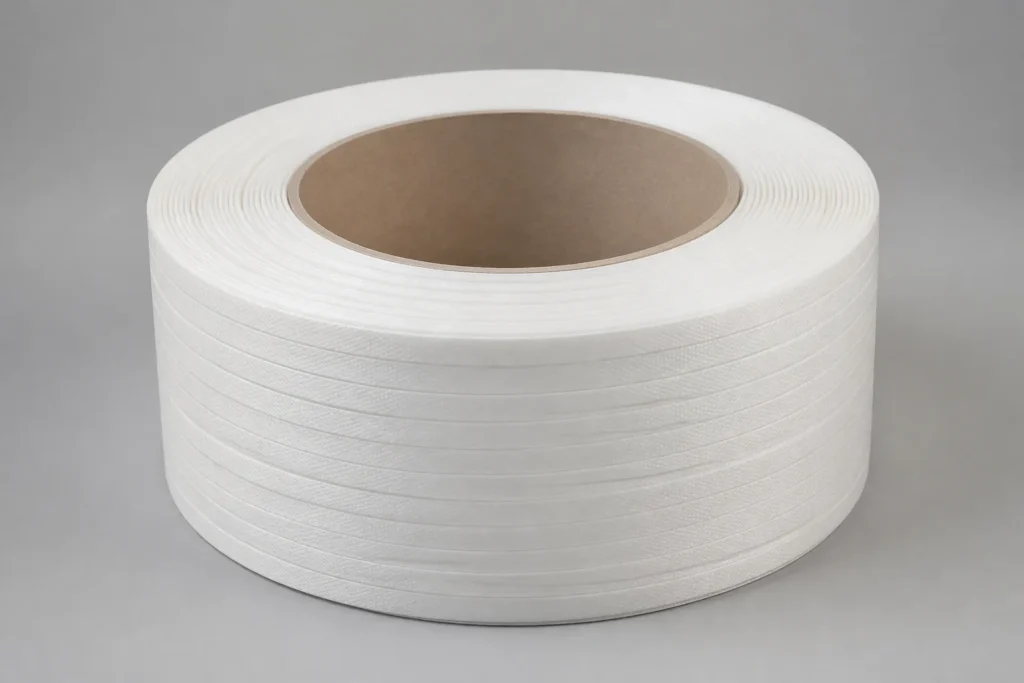
PP vs PET strapping differ at polymer level, not only on the price list. Polypropylene is softer and highly elastic, so it stretches under tension and recovers, while polyester is denser and resists creep. That difference drives strength, elongation, tooling and cost per pallet.
Match the polymer to the load, then compare prices.
| Dimension | Impact | Buyer action / evidence |
|---|---|---|
| Polymer | Creep behaviour | Confirm resin grade on COA |
| Elongation | Tension loss over time | Request elongation test data |
| Cost basis | Budget per pallet | Calculate cost per secured pallet |
2. How does PP vs PET strapping differ in strength and elongation?
PP vs PET strapping splits sharply on the strength-elongation curve. PP stretches noticeably before reaching working tension, which cushions soft loads but lets straps loosen as cartons settle. PET reaches high tension with little stretch and holds rigid loads tight. Strength alone misleads, because retained tension decides security.
Ask for break strength and elongation together.
| Dimension | Impact | Buyer action / evidence |
|---|---|---|
| Break strength | Ultimate load capacity | Compare at equal width and gauge |
| Elongation | Stretch before working tension | Check the test method used |
| Retained tension | Security after 72 hours | Request retention results |
3. Where does PP vs PET strapping fit in a packing line?
PP vs PET strapping fit different points in the same plant. PP works at manual benches and mixed-SKU stations where load sizes change hourly. PET works at palletizers, arch machines and export lanes where tension stays fixed and loads are dense. Mapping stations to polymers prevents buying one grade for the whole factory.
Walk the line and list every strapping station first.
| Dimension | Impact | Buyer action / evidence |
|---|---|---|
| Station type | Tool and polymer choice | Map every strapping point |
| Load density | Grade selection | Weigh representative loads |
| Line speed | Hand tool viability | Time the current cycle |
4. Which PP vs PET strapping suits light, medium and heavy loads?
PP vs PET strapping should follow load bands, then width and gauge. Light cartons under manual handling rarely need PET, and paying for it adds cost without benefit. Medium pallets accept either polymer, so transit duration decides. Heavy rigid loads need PET, because PP relaxes and the pallet loosens.
Define three weight bands and assign a polymer to each.
| Dimension | Impact | Buyer action / evidence |
|---|---|---|
| Load weight | Primary grade driver | Sort SKUs into weight bands |
| Transit length | Longer trips favour PET | Record average transit days |
| Handling | Shock margin needed | Review damage claims by SKU |
5. How should a buyer choose PP vs PET strapping for a mixed portfolio?
PP vs PET strapping decisions get harder across hundreds of SKUs. Group products by weight, rigidity and journey, then assign a default polymer per group with a written exception rule. Most portfolios need both polymers but only two or three width combinations, which keeps stock and tooling simple.
Cut your range down to a few approved combinations.
| Dimension | Impact | Buyer action / evidence |
|---|---|---|
| SKU spread | Too many grades in stock | Build a weight matrix |
| Exception rules | Operator guesswork | Document where PET is mandatory |
| Slow movers | Cash tied up in coils | Count slow-moving stock quarterly |
6. What should you check on a PP vs PET strapping sample?
PP vs PET strapping samples reveal more than a datasheet. Check surface finish, edge quality, camber and how the band feeds and tensions by hand. Then strap a real carton and leave it a day to see how much tension remains. A band that cuts cartons or slips at the seal fails regardless of quoted strength.
Run a bench trial on your own products, not a demo pallet.
| Dimension | Impact | Buyer action / evidence |
|---|---|---|
| Surface finish | Grip and machine feed | Trial both finishes on real SKUs |
| Edge quality | Split risk under tension | Inspect cut ends closely |
| Coil winding | Jams in automatic machines | Run a full coil through |
7. How does PP vs PET strapping affect tooling and labour?
PP vs PET strapping demands different tools and habits. PP is forgiving and works with simple hand tensioners, while PET needs stronger tensioning and a matched seal, often friction weld. Operators also feel the difference, because PET at high tension takes more effort, so ergonomics affect output as much as the polymer.
Match the tool to the polymer, then train every operator on seal checks.
| Dimension | Impact | Buyer action / evidence |
|---|---|---|
| Tool match | Seal failures and downtime | Confirm tool rating with supplier |
| Operator effort | Fatigue on long shifts | Trial tools with real operators |
| Maintenance | Cutter and seal wear | Set a weekly inspection |
8. How should PP vs PET strapping be specified for export pallets?
PP vs PET strapping for export usually points to PET. Containers reach high temperatures, sit for weeks and stack under load, conditions where PP relaxes and straps loosen. PET keeps tension through that cycle and resists edges better with protectors. PP still works for light export cartons on short road routes.
Test the full export cycle, not the first hour of tension.
| Dimension | Impact | Buyer action / evidence |
|---|---|---|
| Container heat | Accelerates relaxation | Run a summer transit trial |
| Storage time | Longer dwell needs PET | Map warehouse dwell by customer |
| Damage claims | Shows real failures | Review claim photos by polymer |
Q1. Is PP vs PET strapping mainly a price decision?
No. PP looks cheaper per kilo, but a loosened pallet costs far more in damage and claims. Compare cost per secured pallet instead of coil price.
Q2. Can one tool handle both PP and PET strapping?
Sometimes, but not reliably at high tension. Many hand tensioners accept both polymers, yet PET needs a stronger tensioner and matched seal. Confirm the rating with the tool supplier.
Q3. Does PP vs PET strapping behave differently in cold stores?
Yes. Cold makes PP stiffer and more brittle, so impact resistance drops, while PET keeps useful strength. Trial both at the real temperature before choosing.
Q4. Which PP vs PET strapping is better for heavy pallets?
PET, because low elongation keeps tension on dense loads and resists creep during storage. Add edge protectors and confirm strap count with your supplier.
Q5. How do I test PP vs PET strapping before a bulk order?
Request samples in your widths, strap real loads and check tension after one and seven days. RX Packaging runs a 12-point quality check covering tension, corrosion and elasticity and can supply results with samples.