
If you are requesting a shipping carton quote, send more than a three-number box size. State whether the dimensions are internal or external, describe the product and packing arrangement, identify the required board construction, and explain how the cartons will be stored and shipped. This gives suppliers enough context to recommend a workable carton instead of quoting a box that looks right on paper but does not fit the product or handling process.
What should you include in a shipping carton RFQ?
A useful RFQ should answer five questions:
- What product will go inside the carton?
- What are the product dimensions and total packed weight?
- How many units will each carton hold, and how will they be arranged?
- What carton dimensions, board construction, and closure method are required?
- How will the carton be stored, palletized, handled, and shipped?
If you do not have every answer yet, label the missing item as a question for the supplier. Do not replace missing information with an assumed box size.
For a carton program, the basic information normally includes:
- Product name and a short description of its shape or fragility
- Product length, width, and height in a stated unit
- Number of products per carton
- Any internal divider, insert, cushioning, or bag
- Target carton dimensions and whether they are internal or external
- Approximate packed weight, if known
- Shipping route and handling conditions
- Expected pallet or warehouse arrangement
- Required print, marking, or carton closure
- Estimated order quantity and delivery destination
RX Packaging’s Shipping Carton category and B2B packaging products provide a starting point for discussing the carton type. The final RFQ should still describe your actual load and packing process.
Should you specify inner or outer shipping carton dimensions?
Specify internal dimensions when the primary requirement is product fit. Specify external dimensions when the requirement is pallet layout, shelf clearance, container loading, or a transport system. When both matter, request both and ask the supplier to state which measurement is being quoted.
The distinction is easy to miss because suppliers may use different conventions. A buyer who sends only “600 × 400 × 400 mm” can receive a quotation based on internal dimensions, external dimensions, or a catalogue size. The resulting carton may be too tight for the product, leave excess movement inside, or change the pallet footprint.
Use this field structure in the RFQ:
- Product fit: required internal length × width × height
- Carton size: supplier-proposed internal and external length × width × height
- Measurement unit: millimetres or inches, used consistently
- Measurement condition: flat, assembled, or closed carton
- Tolerance: supplier to confirm the applicable production tolerance
Ask the supplier to confirm whether the quoted dimensions are taken from the inside or outside of the carton. If the product is fragile, include the space required for protective material rather than measuring the product alone.
How do product dimensions become a carton size?
Start with the product arrangement, then add the space needed for separators, cushioning, and closure. A carton should hold the planned pack without forcing the product into place or leaving uncontrolled movement. The correct calculation depends on the product shape and packing method, so the RFQ should show the arrangement instead of relying on a product description alone.
What product information should you measure?
Record the longest, widest, and highest points of the packed product. Include handles, caps, protruding parts, protective sleeves, and any secondary packaging that will remain inside the shipping carton.
Then describe the arrangement in plain language or a simple sketch:
- One unit per carton
- Multiple units in one layer
- Multiple layers with separators
- Alternating orientation to use the available space
- Mixed items packed in one carton
If the carton will contain multiple SKUs, list each SKU, quantity, and orientation separately. A multi-SKU carton should not be specified from the largest item’s dimensions alone.
How should you handle empty space?
Some free space may be required for cushioning or easy packing, but excessive space increases movement and can make pallet planning less efficient. Ask the supplier to review the proposed internal dimensions against the actual packing method.
The RFQ should state who is responsible for the final fit check. You can provide a sample product, a dimensional drawing, or a packing photograph when available. If none is available, ask for a sample carton or a pre-production confirmation before placing a larger order.
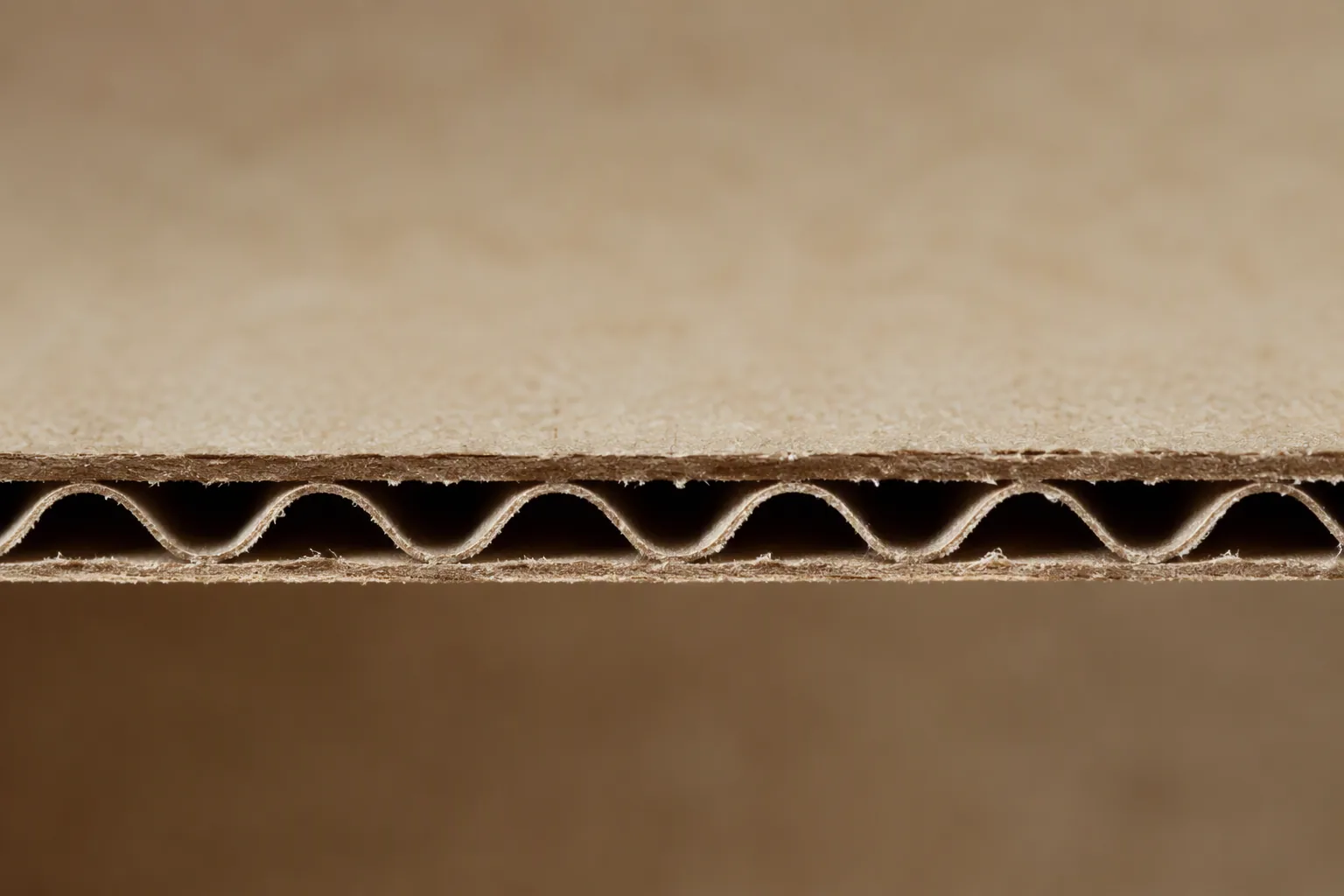
Which carton construction should you request?
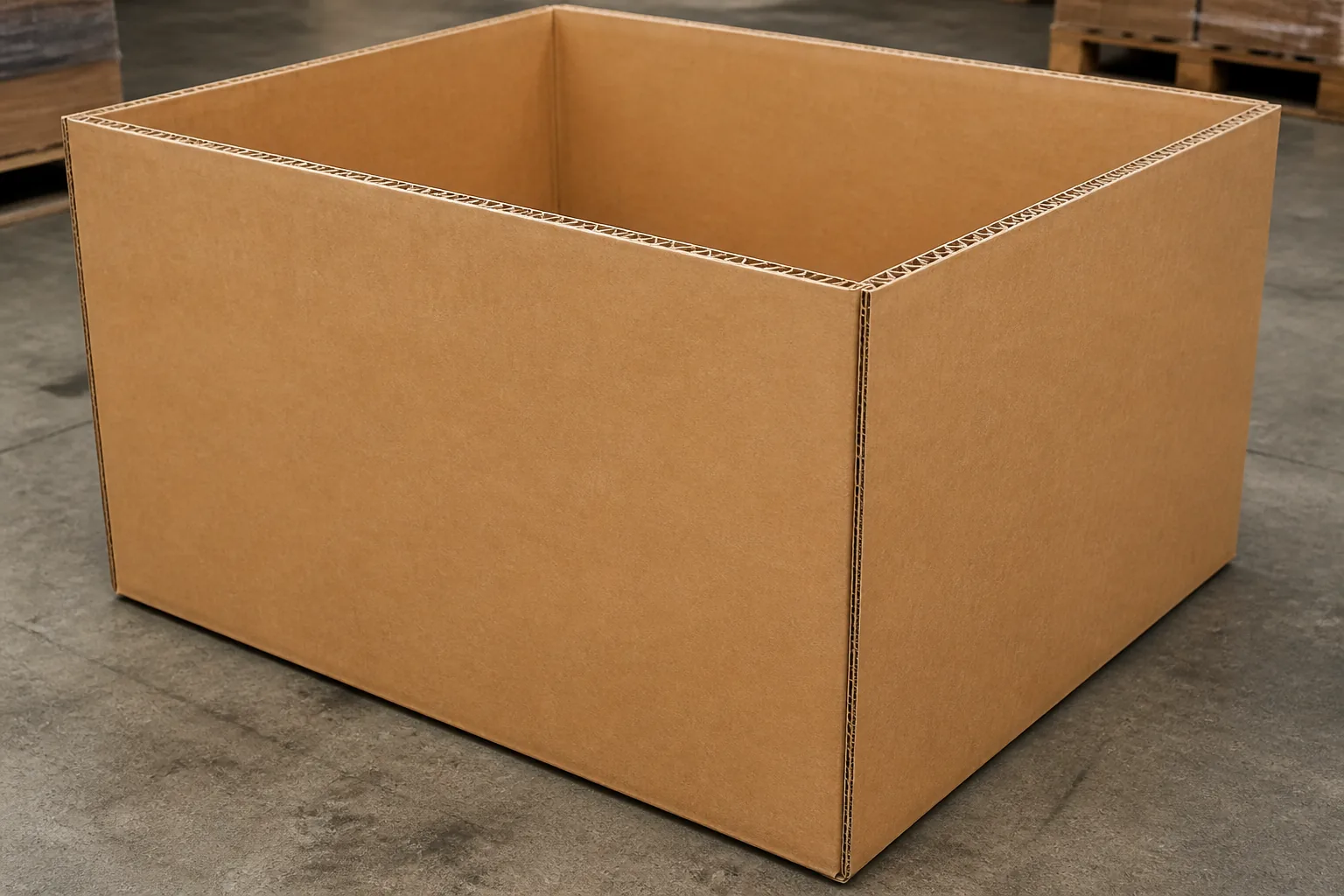
Carton construction should follow the load, stacking, handling, and shipping environment. Do not choose a board construction only because it is the cheapest option or because another product uses it.
A practical RFQ should ask the supplier to confirm:
- Single-wall or double-wall construction
- Corrugated flute type or a supplier recommendation
- Board strength rating or test basis, if your operation requires one
- Expected stacking condition
- Exposure to moisture, temperature changes, or rough handling
- Whether the carton must support pallet stacking or manual handling
RX Packaging’s guide to double-wall versus single-wall cartons explains the decision as a load and handling question. Its corrugated flute guide covers how flute profiles affect cushioning, crush resistance, and print surface. Use those pages to prepare questions, then ask the supplier to match the construction to your real application.
How should you compare carton options?
Use a decision table in the RFQ so the supplier can respond to the same requirements. The table below is a buyer-side framework, not a specification for every shipment.
| Buyer requirement | Option to discuss | What to confirm before approval |
|---|---|---|
| Product needs more cushioning | A flute or another cushioning-focused construction | Internal fit, product movement, and stacking needs |
| Carton needs a balance for general shipping | C flute or a supplier-recommended equivalent | Board construction, packed weight, and handling route |
| Carton needs a smoother printable surface | E flute or another fine-flute option | Product protection and print requirements |
| Load needs more stacking support | Double-wall construction or another reinforced option | Stacking arrangement, board strength basis, and sample result |
| Carton is opened and closed manually | A closure method suited to the packing line | Tape, staples, tuck closure, or another method used at your site |
The supplier should explain any change from your requested construction. If a recommendation depends on unverified information, treat it as an open question rather than an approved specification.

What should you confirm about palletizing and shipping?
A carton that fits the product may still create problems in the warehouse or during transport. Add the following questions to the RFQ:
- What is the planned carton orientation on the pallet?
- How many cartons should fit on each pallet layer?
- What is the maximum planned stack height?
- Will cartons be stored in racks, on the floor, or in containers?
- Will cartons be moved by hand, pallet truck, or forklift?
- Are there tight doorways, conveyors, or shelf openings to consider?
- Does the carton need to remain stable after tape sealing and pallet wrapping?

These questions help separate product-fit requirements from logistics requirements. If both are important, write both into the RFQ. A supplier may be able to propose a different carton orientation or packing arrangement, but that decision should be visible before the quotation is approved.

How should you ask for a carton sample or approval?
Ask for a sample, drawing, or pre-production confirmation when the dimensions, closure, or packing arrangement affects your operation. The approval package should identify:
- Internal and external carton dimensions
- Board construction and flute description
- Closure method
- Print or marking requirements
- Product arrangement and quantity per carton
- Any insert, separator, or cushioning
- Sample approval status and revision date
Test the sample with the real product or a representative load. Check whether the product can be packed without force, whether the closure stays flat, and whether the completed carton fits the planned pallet arrangement. Record any change in a revised drawing or RFQ response.
RX Packaging was founded in 2007 and is based in Foshan, China. When contacting the company about shipping cartons, use the contact form to provide the product dimensions, packing arrangement, destination, estimated quantity, and any customization requirement. Those details are more useful for an initial review than a request for a generic “standard box.”
What should you confirm before choosing a supplier?
Before comparing quotations, check whether every supplier has responded to the same fields. A low quote may reflect a different measurement basis, board construction, pack count, or delivery assumption.
Use this pre-approval checklist:
- [ ] Primary product dimensions are stated in one unit.
- [ ] Product quantity per carton is clear.
- [ ] Internal and external dimensions are identified.
- [ ] Inserts, dividers, or cushioning are included in the fit discussion.
- [ ] Board construction and flute are confirmed or marked for supplier recommendation.
- [ ] Packed weight and stacking condition are stated where known.
- [ ] Closure and printing requirements are listed.
- [ ] Pallet and warehouse constraints are described.
- [ ] Sample, drawing, or pre-production approval is assigned to an owner.
- [ ] Destination, estimated quantity, and delivery requirements are included.
If a field is unknown, write “supplier to advise” or “to be confirmed after sample review.” That keeps the quotation honest and gives both sides a clear next step.
Frequently asked questions about shipping carton dimensions
What is the most important dimension in a shipping carton RFQ?
The most important information is the complete internal length, width, and height requirement together with the product arrangement. One dimension alone cannot show whether the product will fit or whether protective space is available.
Should I give a supplier product size or carton size?
Give both when possible. Product size explains the fit requirement, while carton size explains pallet, shelf, or transport constraints. State whether each measurement is internal or external.
Can a supplier recommend carton dimensions for me?
Yes, a supplier can review the product, packing arrangement, handling conditions, and logistics constraints and suggest a carton. Ask the supplier to identify assumptions and confirm the proposal with a sample or drawing before approval.
Do I need to specify the flute type?
Specify the flute when your operation already has a tested requirement. Otherwise, describe the load, stacking, cushioning, printing, and handling needs and ask the supplier to recommend a construction for review.
What if I pack more than one SKU in the same carton?
List every SKU, quantity, orientation, and protective component. A mixed-SKU carton needs a packing plan because the largest item may not determine the best internal arrangement.
When should I request a carton sample?
Request a sample or drawing when product fit, closure, pallet layout, or board construction could affect your operation. Approve the sample with the real product or a representative load before a larger production commitment.
What should I send when asking RX Packaging for a quotation?
Send the product dimensions, quantity per carton, internal or external size requirement, packing arrangement, board or flute preference if known, destination, estimated quantity, closure and print requirements, and any sample or customization request through the RX Packaging contact page.