Strapping Impact Resistance: Why Bands Fail on the Move
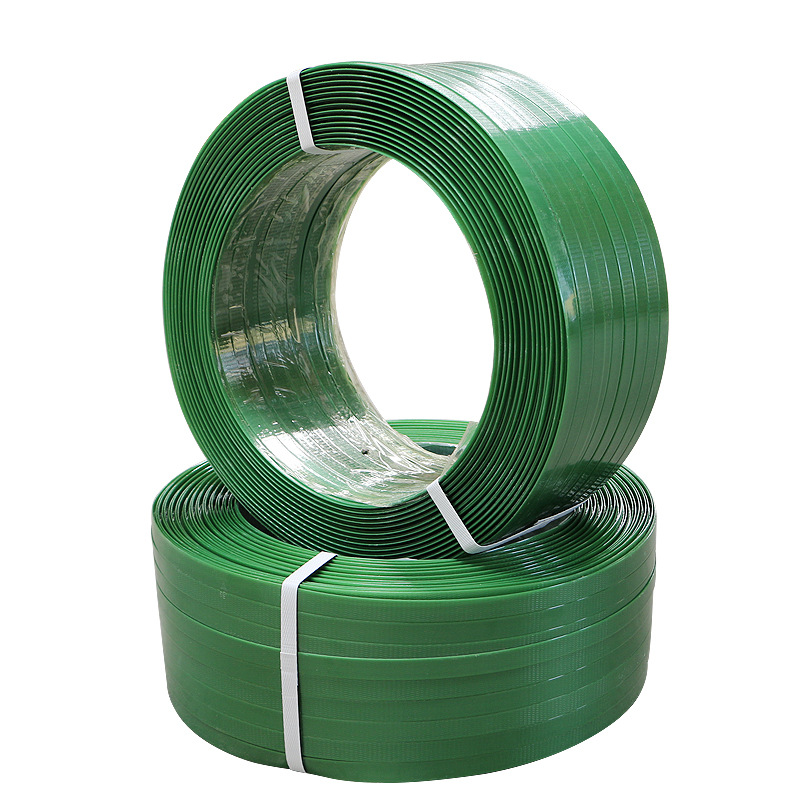
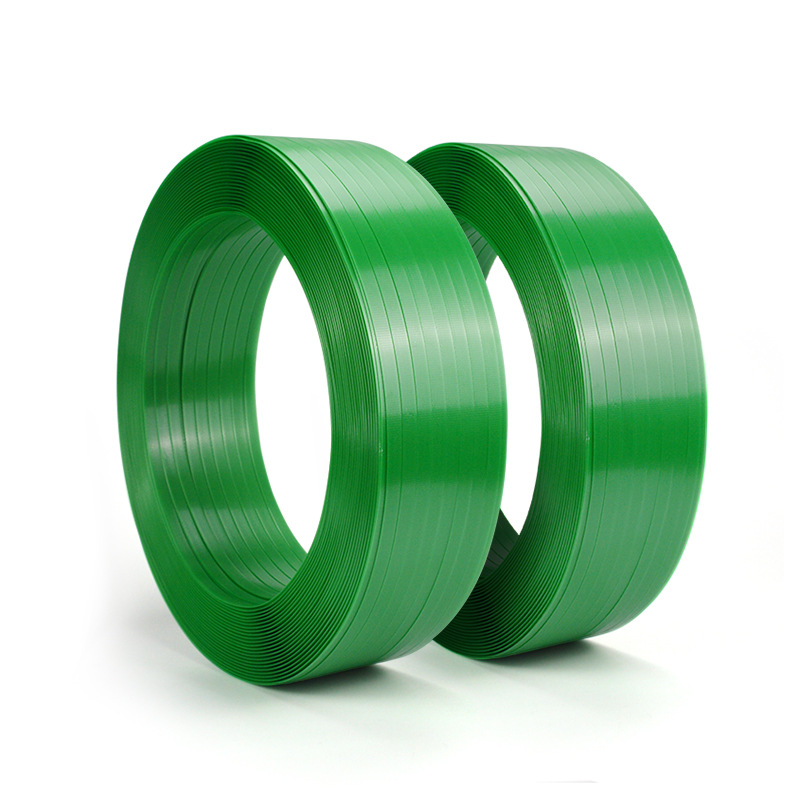
Strapping impact resistance is the ability of a band to absorb a sudden knock, drop or forklift contact without cracking or splitting. It matters because most band failures happen during handling, not while a pallet sits still. PP behaves differently from PET under impact, and temperature changes the result. This guide helps buyers judge impact performance and protect rough routes.
1. What is strapping impact resistance and why does it matter?
Strapping impact resistance describes how a band behaves when force arrives quickly rather than gradually. A strap can hold a static load comfortably and still crack when a pallet corner hits a dock leveller. Impact resistance depends on polymer, temperature, gauge and edge sharpness, so it needs its own test.
Ask how the band performs in a knock test, not only a pull test.
| Dimension | Impact | Buyer action / evidence |
|---|---|---|
| Polymer | Ductile or brittle failure | Request impact test data |
| Temperature | Cold reduces toughness | Test at the coldest handling point |
| Edge contact | Stress concentration | Inspect pallet and product corners |
2. How does strapping impact resistance differ between PP and PET?
Strapping impact resistance differs between PP and PET, and the gap changes with temperature. PP is more ductile at room temperature and stretches before breaking, which helps soft light loads. PET is stronger and stiffer, so it holds high tension but gives less under a knock. In cold stores PP turns brittle while PET keeps toughness.
Test both polymers at the temperature where the pallet is handled.
| Dimension | Impact | Buyer action / evidence |
|---|---|---|
| Ductility | Stretch before failure | Compare broken ends after testing |
| Cold toughness | Winter and freezer risk | Condition samples before testing |
| Tension | Stiff band loads edges | Review tension settings |
3. Where does strapping impact resistance fail in transit?
Impact damage breaks strapping at predictable points. The seal is the least ductile part of the loop, corners crack when a pallet is pushed against a wall, and the bottom run splits when equipment clips it. Loading and unloading cause most incidents, not the road itself.
Photograph break locations on every damaged pallet for a month.
| Dimension | Impact | Buyer action / evidence |
|---|---|---|
| Break location | Identifies the cause | Keep a photo log by location |
| Handling stage | Points to a process fix | Note where damage first appears |
| Equipment | Forklift contact | Observe loading at the dock |
4. Which strapping impact resistance level suits your route?
Strapping impact resistance should match the roughest part of the route, not the average. A short shuttle between warehouses needs less toughness than a multi-drop route with repeated handling. Export containers add heat and dwell, while cold chains add brittleness. Write route conditions into the specification.
Describe the roughest handling step and specify for it.
| Dimension | Impact | Buyer action / evidence |
|---|---|---|
| Handling count | More touches, more risk | Count touches from pack to shelf |
| Route length | Longer exposure | Map transit days per lane |
| Climate | Heat and cold effects | Log temperature extremes |
5. How should a buyer test strapping impact resistance?
Testing strapping impact resistance can be simple and repeatable. Strap a loaded pallet, tip or knock it against a stop at a controlled height, then inspect the band at seal and corners. Repeat at the temperature you ship in. Record what broke and where, because location matters more than a pass mark.
Build a simple knock test and repeat it at your coldest shipping temperature.
| Dimension | Impact | Buyer action / evidence |
|---|---|---|
| Test height | Sets severity | Match to real dock incidents |
| Temperature | Changes failure mode | Condition samples 24 hours |
| Inspection point | Finds the weak link | Check seal, corner, bottom run |
6. What should you check in a strapping impact resistance test?
In a drop or impact test, check the failure mode rather than only the failure point. A band that whitens and stretches before breaking behaved ductilely; one that shatters cleanly failed in a brittle way. Brittle failure signals a cold or material problem and usually means failure without warning.
Look at the broken ends, not just whether the band survived.
| Dimension | Impact | Buyer action / evidence |
|---|---|---|
| Broken ends | Reveals brittleness | Photograph and compare polymers |
| Seal state | Separates band from joint | Pull-test the seal afterwards |
| Load movement | Real containment | Mark layer positions before testing |
7. How does temperature change strapping impact resistance?
Temperature changes strapping impact resistance more than buyers expect. Cold stiffens polymers and pushes PP toward brittle failure, so a band that survives a summer dock can crack in a winter yard. Heat softens band and reduces tension, letting loads shift. Both extremes need testing.
Test at both ends of your temperature range, not at room temperature.
| Dimension | Impact | Buyer action / evidence |
|---|---|---|
| Winter handling | Brittle dock failures | Test conditioned samples outdoors |
| Freezer storage | Long cold exposure | Store samples in the cold room |
| Container heat | Softening and creep | Log temperatures in transit |
8. Should you improve strapping impact resistance with material or protection?
Improving impact resistance usually needs both material and protection. A tougher band helps, but protectors and correct strap placement prevent the sharp contact that starts most failures. On high-value or heavy loads, protection delivers the fastest improvement.
Fix the contact point first, then upgrade the band if failures continue.
| Dimension | Impact | Buyer action / evidence |
|---|---|---|
| Contact point | Main cause of splits | Inspect corners after transit |
| Band material | Toughness at temperature | Compare results by polymer |
| Strap pattern | Exposure to damage | Sketch and review the layout |
Q1. Why do straps break during handling instead of in storage?
Because impact force arrives quickly and concentrates at seals and corners, while storage applies a slow even load. Most breakages trace to a dock knock, a sharp corner or a cold band.
Q2. Is PET better than PP for impact resistance?
Not universally. PET is stronger and stiffer for high tension, but PP is more ductile at room temperature. In cold conditions PP turns brittle, so PET is usually safer.
Q3. Can edge protectors improve impact resistance?
Yes, because they remove the sharp contact that concentrates stress. Protection does not make the polymer tougher, but it prevents the failure most impacts start.
Q4. How do I test impact resistance without a lab?
Strap a loaded pallet, knock a corner against a fixed stop at a controlled height, then inspect seal and corners. Repeat after conditioning at your coldest shipping temperature.
Q5. What should I request before ordering?
Request impact data, samples conditioned at your temperature extremes and a loaded handling trial. RX Packaging runs tension, corrosion and elasticity checks in a 12-point process.