
A packaging material specification sheet turns a general buying request into a document a supplier can review, quote, sample, and manufacture against. For stretch film, sealing tape, strapping band, and shipping carton, the sheet should describe the application, required material, pack format, inspection points, and approval status without inventing values that have not been confirmed. This guide helps B2B purchasing and operations teams create a usable specification before requesting samples or quotations.

1. What is a packaging material specification sheet?
A packaging material specification sheet is a controlled summary of what the material must do, how it will be supplied, and how the buyer will check it. It is more precise than a product name and more reusable than a one-time RFQ email.
Start with the application: describe the load, sealing task, strapping task, or carton use before naming a material.
- Identify the product line and intended operation.
- State where the material will be used and by whom.
- Separate confirmed requirements from supplier questions.
- Give the document a revision date and approval owner.
| Field | Why it matters | Buyer action |
|---|---|---|
| Application | Links the material to a real operation | Describe the packing or shipping task |
| Product line | Prevents category confusion | Select stretch film, sealing tape, strapping band, or shipping carton |
| Status | Shows whether the sheet is ready for quotation | Mark draft, sample review, or approved |
2. Which fields belong on every packaging material specification sheet?
Every sheet should include identification, application, supply, inspection, and approval fields. The exact fields change by material, but the document should answer the same basic questions for every supplier.
Keep unknown values visible: write “supplier to confirm” instead of filling gaps with assumptions.
- Buyer and end-use information
- Material name and proposed construction
- Pack unit and delivery format
- Required documents or test records
- Sample approval and change-control notes
| Document section | Example content | Evidence to request |
|---|---|---|
| Identification | Part name, revision, application | Approved internal record |
| Supply format | Roll, band, tape, or carton pack | Sample or packaging drawing |
| Inspection | Appearance, fit, operation, and agreed tests | Inspection record or sample result |
3. How should you write a stretch film specification?
A stretch film specification should explain the load, wrapping method, application environment, and acceptance checks rather than relying on the phrase “standard stretch film.”
Describe the load first: a film choice depends on the shape and handling of the pallet or unit load.
- State whether the film is for hand or machine application.
- Describe sharp edges, irregular shapes, or unstable loads.
- Record the required wrapping pattern as an operating instruction if already approved.
- Leave gauge, width, length, and other numeric values for confirmed supplier or trial data.

| Stretch film field | Decision it supports | Buyer evidence |
|---|---|---|
| Load shape | Helps identify puncture or containment concerns | Product and pallet description |
| Application method | Aligns film with equipment or labor | Hand or machine process note |
| Environment | Flags storage or temperature questions | Warehouse and transit conditions |
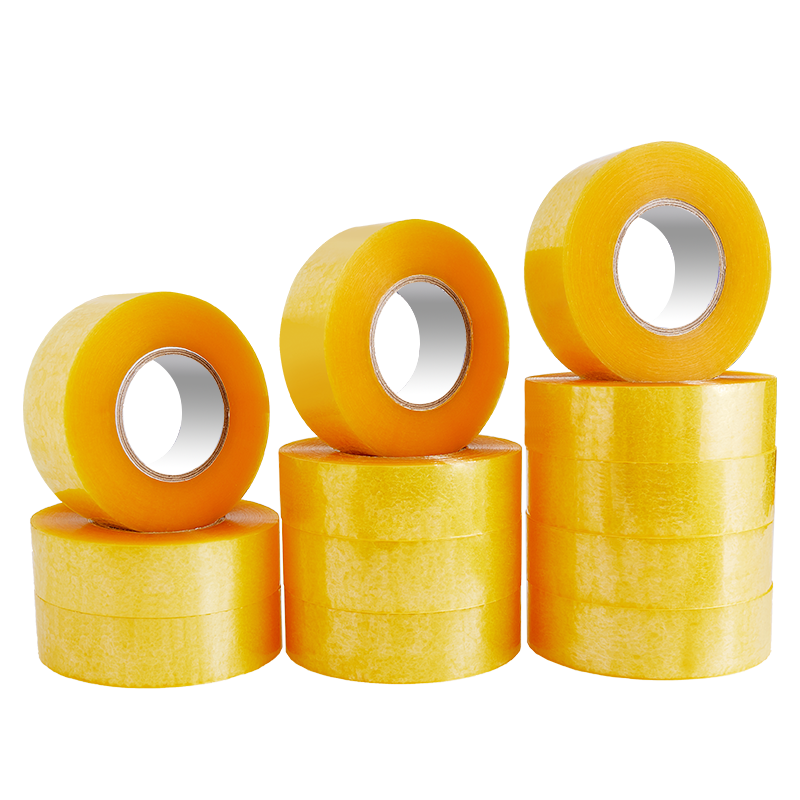
4. How should you write a sealing tape specification?
A sealing tape specification should connect the tape to the carton, closing method, application surface, and operating conditions. The tape name alone does not explain whether the process is manual, semi-automatic, or automated.
Define the seal: state what the tape must close and how the operator or machine applies it.
- Identify carton material and surface condition.
- State whether the application is manual or machine-based.
- Describe storage and temperature questions that need supplier confirmation.
- Record appearance or print requirements only when they are approved.

| Sealing tape field | Decision it supports | Buyer evidence |
|---|---|---|
| Carton surface | Guides adhesion discussion | Carton sample or material description |
| Application method | Matches tape to the process | Hand sealing or machine setting |
| Storage conditions | Helps identify open questions | Warehouse conditions and supplier advice |
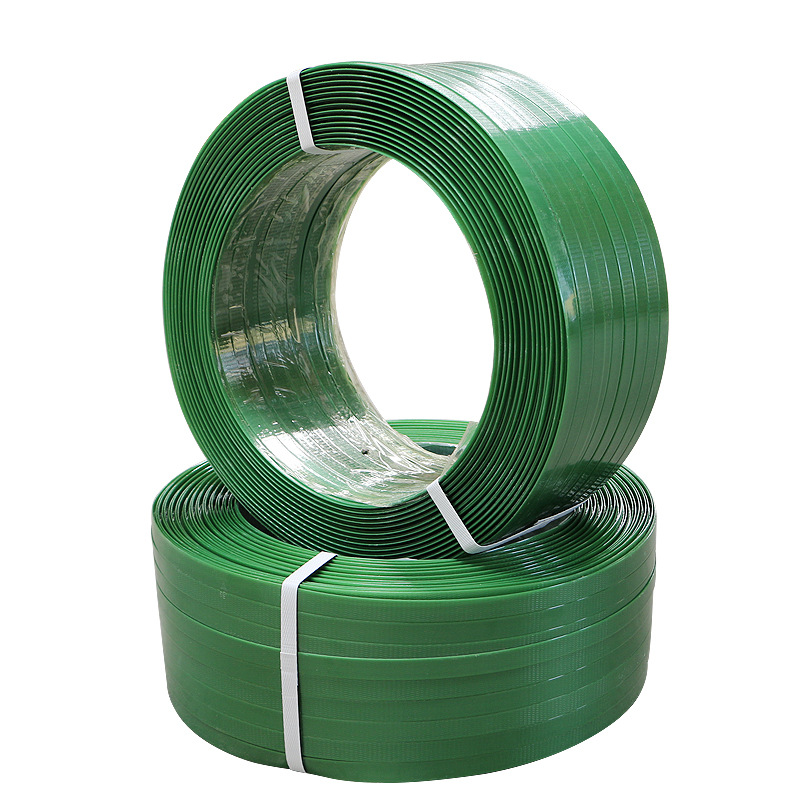
5. How should you write a strapping band specification?
A strapping band specification should link the band to the load, equipment, joint or closure method, and handling route. PP strapping band can be evaluated within the application where the buyer needs a practical band for unitizing or securing goods.
Match the band to the process: record the tool, closure method, and load-handling sequence before approving a sample.
- Describe the load shape and handling route.
- Identify manual or machine application.
- Record whether the band is used with edge protection or other packaging materials.
- Include supplier-confirmed inspection points rather than unsupported performance claims.
| Strapping field | Decision it supports | Buyer evidence |
|---|---|---|
| Load and handling | Sets the application context | Pallet or bundle description |
| Tool and closure | Prevents equipment mismatch | Tool type and sample trial |
| Inspection point | Defines approval work | Visual, tension, corrosion, or elasticity check where applicable |
6. How should you write a shipping carton specification?
A shipping carton specification should distinguish internal and external dimensions, product arrangement, board construction, closure, printing, and shipping conditions. The buyer should state which dimensions are confirmed and which the supplier must propose.
Separate fit from transport: product fit and pallet or container arrangement can require different dimension checks.
- Describe the packed product and number of units per carton.
- State whether dimensions are internal or external.
- Include inserts, dividers, cushioning, or bags when they remain inside.
- Request a drawing or sample before final approval when the fit is critical.

| Carton field | Decision it supports | Buyer evidence |
|---|---|---|
| Internal dimensions | Confirms product fit | Product and pack arrangement |
| External dimensions | Supports pallet and transport planning | Pallet layout or handling clearance |
| Board and closure | Helps compare carton constructions | Supplier proposal and sample |
7. How can a buyer compare supplier responses consistently?
Use the same specification sheet for every supplier and mark each field as confirmed, proposed, or pending. This makes differences visible without treating an unverified supplier statement as an approved requirement.
Compare like with like: keep the application, units, pack format, and sample status consistent.
- Use one revision of the sheet for the quotation round.
- Highlight supplier deviations in a separate column.
- Compare samples under the same operating conditions.
- Record open questions before commercial approval.
| Response status | Meaning | Buyer action |
|---|---|---|
| Confirmed | Supported by an approved requirement or sample | Carry it into the comparison |
| Proposed | Suggested by the supplier | Request evidence or a sample |
| Pending | Information is still missing | Keep it open before approval |
8. What should you confirm before approving the specification?
Approve the sheet only after the application, material, supply format, inspection method, and change process are clear. RX Packaging has operated since 2007 in Foshan, China, and its site presents SGS certification and 12 quality checks; buyers should still confirm which checks apply to the specific material and order.
Close the document with a decision: identify the approved revision, sample status, and next purchasing action.
- Confirm the final material and application.
- Confirm the sample or drawing review result.
- Confirm the inspection points relevant to the product line.
- Link the approved sheet to the quotation or purchase record.

| Approval item | Why it matters | Record to keep |
|---|---|---|
| Approved revision | Prevents different teams using different requirements | Dated specification sheet |
| Sample status | Separates discussion from approval | Sample review note |
| Change process | Controls later substitutions | Supplier deviation or change record |
Frequently asked questions about packaging material specification sheets
Q1. Is a specification sheet the same as an RFQ?
No. An RFQ requests a quotation; a specification sheet records the technical and operational requirements that suppliers review during the quotation and approval process.
Q2. Should every field contain a number?
No. Use confirmed values where available and label missing information as a supplier question or approval item.
Q3. Can one sheet cover several packaging materials?
A program summary can cover several product lines, but each material should retain its own application, inspection, and approval fields.
Q4. What should be attached to the sheet?
Attach product drawings, packing arrangements, carton samples, process notes, or approved inspection records when they are available and relevant.
Q5. How does RX Packaging fit into the process?
RX Packaging can review the application and product category with the buyer through its packaging product range and Contact Us page. The buyer should send the completed specification sheet and identify any fields that require supplier confirmation.
Next step for B2B buyers
Use the specification sheet to organize the application, requested material, inspection points, and approval status before contacting a supplier. For RX Packaging, start from the Products page or the relevant category for Stretch Film, Sealing Tape, Strapping Band, or Shipping Carton, then send the completed requirements through Contact Us.