
Primary keyword: packaging material reorder planning
Secondary keywords: packaging inventory replenishment; packaging stock planning; packaging reorder checklist; packaging material demand planning; supplier replenishment confirmation
Search intent: Commercial investigation / procurement process implementation
SEO title: Packaging Material Reorder Planning: A B2B Buyer’s Checklist | RX Packaging
Meta description: Use this packaging material reorder planning checklist to review usage, stock status, supplier confirmation, and delivery timing before replenishing packaging supplies.
Slug: packaging-material-reorder-planning-b2b
Packaging material reorder planning should connect actual usage, available stock, approved product references, supplier confirmation, and the next delivery decision. The safest process is to review what the operation is consuming, separate usable stock from held or unconfirmed stock, then send the supplier a replenishment request that identifies the product family and application. Do not reorder from a product name alone or fill missing commercial and technical values with assumptions.
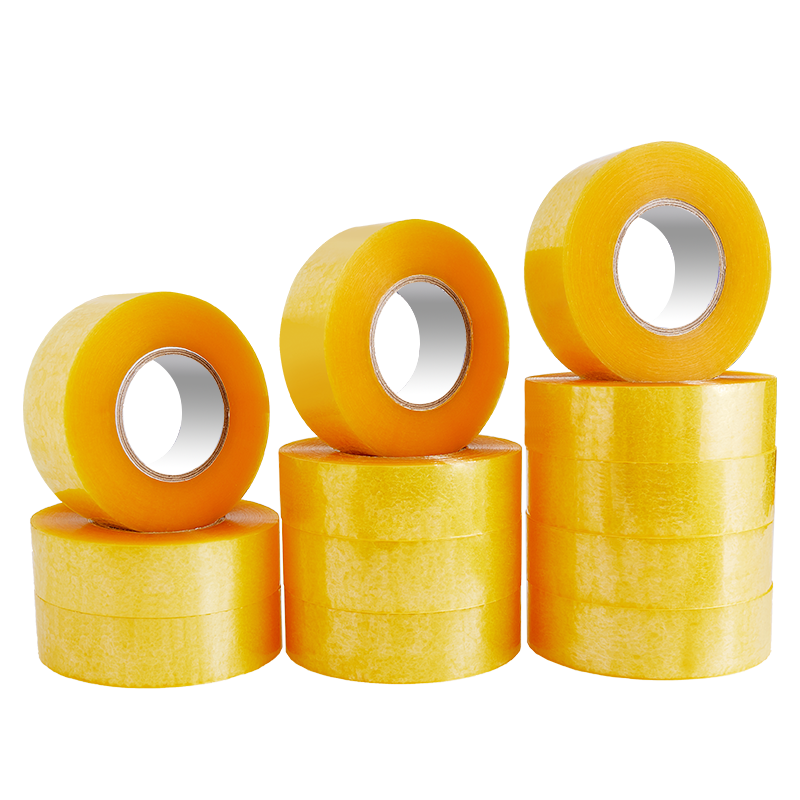
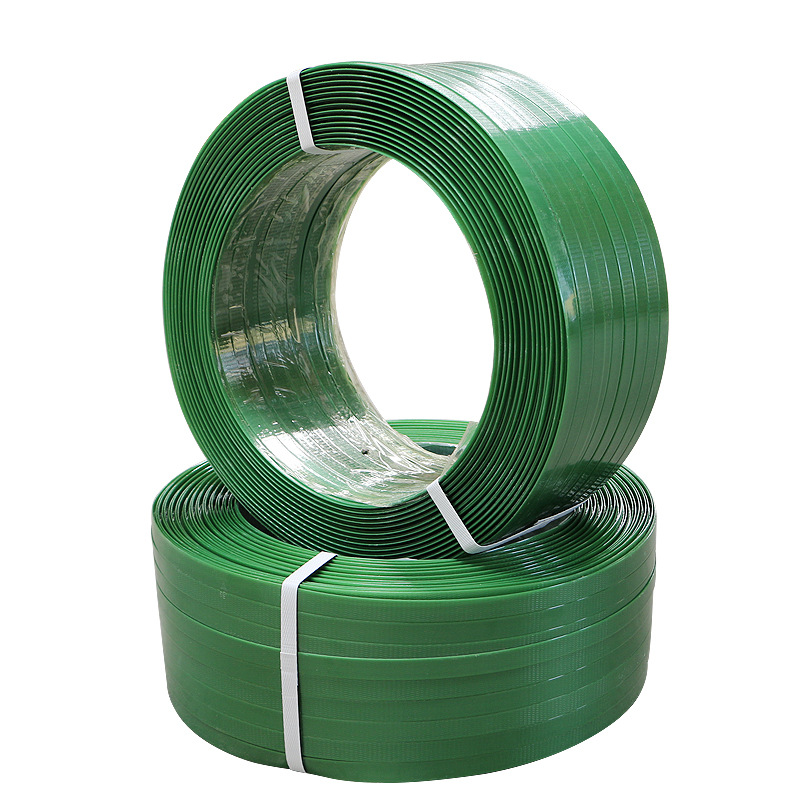
RX Packaging’s current site presents stretch film, sealing tape, PP/PET strapping, and shipping cartons as separate product families. That structure gives a buyer a starting point for organizing a replenishment plan, while the final product, quantity, packing, and delivery details still need written confirmation for the application.

What should packaging material reorder planning control?
A reorder plan should answer one operational question: what needs to be replenished, on what basis, and what must be confirmed before the order is released?
A useful plan connects five records:
- The packing task: what the material is used to seal, wrap, bundle, protect, or ship.
- The approved product reference: the sample, specification, product description, or quotation used for the current supply.
- The usage record: what the operation has consumed or expects to consume, based on its own records.
- The stock status: what is available, held, pending clarification, or already committed.
- The replenishment request: the supplier-facing information needed to confirm the next order.
This is different from a purchase-order checklist. A PO checklist controls the order after the buying decision is made. Reorder planning comes earlier: it helps the team decide whether a new order is needed and which information must be reviewed first.
The packaging material purchase order checklist can be used after the replenishment decision is approved. Keep the two records separate so an old PO does not become the only evidence for a new supply cycle.
Which packaging materials should buyers plan together?
Plan packaging materials by product family and packing task, not only by supplier name. A warehouse may use several materials in one shipping workflow, but each material still needs its own product identity and approval basis.
| Product family | Packing role to describe | Reorder questions |
|---|---|---|
| Stretch film | Pallet wrapping or load containment | Is the film used by hand or machine? What load and handling route does it serve? |
| Sealing tape | Carton closure | Which carton surface, dispenser, or taping process is involved? |
| PP/PET strapping | Bundling cartons or securing grouped loads | What load, application method, and joining process are used? |
| Shipping carton | Product containment and shipment | What product, packing arrangement, dimensions, and handling route apply? |
The current RX Packaging product overview and the Stretch Film, Sealing Tape, Strapping Band, and Shipping Carton category pages can help a buyer classify the request before contacting a supplier.
Do not combine unrelated material families into one vague line such as “packaging supplies.” If several products are being replenished together, list each family separately and retain the application context for each one.
What usage information should buyers review before reordering?
The buyer should start with internal usage evidence. This might come from warehouse issues, production records, packing-station records, or another approved inventory process. The exact measurement method belongs to the buyer’s operation; this guide does not infer a consumption rate or forecast from a product page.
Review these fields:
- product family and internal item reference;
- packing task and location of use;
- units issued or consumed during the review period;
- stock currently available for normal use;
- stock already allocated to open orders or production;
- stock held because of damage, inspection, or missing information;
- expected change in product mix, packing method, or shipment activity;
- supplier reference, approved sample, specification, or quotation linked to the item.

The purpose is not to create a precise demand number from incomplete information. It is to expose what the team knows, what it is assuming, and what still needs confirmation. If the available record does not distinguish a roll of stretch film from another film reference, or one tape format from another, resolve that identity gap before using the stock figure for a reorder decision.
Which usage questions should trigger a review?
A review is useful when:
- a product family is being used for a different packing task;
- the warehouse is holding material that has not been released for normal use;
- several internal item references appear to describe a similar material;
- the packing method has moved from hand application to equipment-based application, or the reverse;
- the carton, pallet, product mix, or shipping route has changed;
- a supplier has proposed a product, packing, or production change;
- the next order would rely on an old sample or outdated specification.
These questions do not prove that a new material is required. They identify where purchasing, quality, warehouse, and operations should agree before replenishment.
How should buyers separate available, held, and unconfirmed stock?
A reorder plan should not treat every delivered unit as available stock. Receipt confirms that material arrived; it does not prove that the material has passed the buyer’s release process.
Use a visible status structure such as:
| Stock status | Meaning | Reorder treatment |
|---|---|---|
| Released | Required receiving checks are complete and the material may move into normal use | Include in available stock according to the buyer’s system |
| Held | A visible issue or missing approval prevents normal use | Do not count as freely available until an owner resolves it |
| Pending clarification | The material may be usable, but a document, identifier, or supplier answer is open | Keep the open question visible before reducing the reorder need |
| Rejected or returned | The material cannot be accepted under the buyer’s process | Exclude it from usable stock and record the follow-up |

The packaging material lot traceability guide explains how buyers can connect a delivery to an order, approved reference, receiving decision, and stock status. Use that narrower receiving record alongside the reorder plan rather than replacing it.
If a stock figure includes held, damaged, unidentified, or unapproved material, label those units separately. A reorder decision made from an inflated available-stock figure can delay supply; a decision made from an unverified shortage can create an unnecessary order.
What should a replenishment request include?
A supplier-facing replenishment request should be specific enough to confirm the item and the next action, without inventing values that have not been approved.
Include:
- Product family: stretch film, sealing tape, PP/PET strapping, shipping carton, or another clearly identified category.
- Application: what the buyer is packing and how the material is used.
- Approved reference: current sample, specification, product page, quotation, or internal item code.
- Quantity basis: the buyer’s requested quantity or planning field, using the unit already agreed for the item.
- Packing and identification: any confirmed roll, carton, coil, label, pallet, or marking requirement.
- Destination: ship-to location and destination country as confirmed by the buyer.
- Timing: requested delivery window or date, if agreed or under review.
- Open questions: missing specifications, sample needs, customization, or supplier confirmation required before release.
The current RX Packaging contact page asks buyers for product category, application, estimated quantity, destination country, and customization need. Those fields provide a practical starting structure for a replenishment request. They do not replace confirmation of the final quotation, order, product construction, or delivery terms.

A request such as “please send the same packaging as last time” is weak when the previous order contains multiple product families, variants, or unresolved changes. Name the product family and connect it to the current approved reference.
How should buyers compare supplier confirmation with the approved reference?
Before releasing a replenishment order, compare the supplier’s response with the record used for the previous approval. This is a confirmation step, not a new assumption about product performance.
Check:
- product family and item reference;
- application and equipment context;
- sample or specification revision;
- ordered unit and quantity;
- inner, outer, or pallet packing where applicable;
- product identification and receiving information;
- destination and agreed delivery instruction;
- open changes and the person responsible for approval.
If the supplier’s response introduces a different material, packing method, reference, production arrangement, or label, use the packaging material change notification checklist before treating the next delivery as equivalent to the approved one.
RX Packaging’s services page presents OEM/ODM, sample, custom packaging, and technical or commercial assistance. Those statements support a discussion about samples, customization, and open questions; they do not establish a price, MOQ, lead time, or technical value for a particular reorder.
What should buyers do when demand or the packing task changes?
Do not solve a changed requirement by copying the previous order. First identify what changed and which records are affected.
| Change noticed by the buyer | Record to review | Next buyer action |
|---|---|---|
| Different product mix | Application and usage record | Confirm whether the existing material family still fits |
| New carton or pallet format | Product and packing reference | Ask the supplier to review the new application |
| Different hand or machine process | Tool or equipment context | Request confirmation of compatible material and sample plan |
| More held or unidentified stock | Receiving and traceability record | Resolve stock status before calculating the usable balance |
| Supplier-proposed change | Change notification and approved reference | Decide whether clarification, sampling, or re-approval is needed |
This keeps reorder planning connected to the operating decision. It also prevents a buyer from turning a temporary stock issue into an unverified product change.
How should teams record the reorder decision?
The final record should allow another person to understand why the order was requested, what reference was used, and which points remain open.
A reorder record can contain:
- review date and responsible owner;
- product family and internal item reference;
- application and operating location;
- usage evidence reviewed;
- released, held, pending, and rejected stock status;
- approved sample, specification, quotation, or product reference;
- requested replenishment quantity and unit as confirmed by the buyer;
- supplier response and unresolved questions;
- destination and requested timing;
- decision: release, hold, clarify, sample, or review again;
- link to the resulting PO or supplier confirmation.

Use “not provided,” “pending,” or “to be confirmed” when a field is missing. That is more accurate than filling the record with a guessed value. The packaging material specification-sheet guide provides a related way to separate confirmed requirements from supplier questions.
Who should approve a packaging material reorder?
The approval owner depends on the buyer’s organization, but the record should make the responsibilities visible. Purchasing may own the supplier request, while warehouse, quality, operations, or an application owner may need to confirm the material context. Do not assume that a purchasing approval alone resolves a technical or receiving question.
Packaging material reorder planning FAQ
What is packaging material reorder planning?
It is the process of reviewing usage, stock status, approved product references, supplier information, and delivery needs before requesting or releasing a replenishment order.
Should buyers reorder from the last purchase order?
Use the last purchase order as a reference only after checking that the product family, application, approved reference, packing, destination, and open changes still match the current requirement.
Should held stock be counted as available stock?
Held stock should be shown separately until the buyer’s receiving or quality process releases it. A delivered unit is not automatically usable stock.
What packaging materials can be included in one replenishment review?
A review can cover stretch film, sealing tape, PP/PET strapping, and shipping cartons, provided each product family keeps its own application, approved reference, unit, and stock status.
Should a replenishment request include price or MOQ?
Include price, MOQ, lead time, and other commercial values only when they are confirmed in the current quotation, contract, or supplier communication. This guide does not infer them from a product page.
What if the buyer is unsure which product family is needed?
Describe the packing task, the product or load, the application method, the estimated quantity, and the destination. The current RX Packaging contact page provides these fields for a supplier discussion.
When is a new sample useful during replenishment?
A new sample may be appropriate when the application, product reference, material, packing format, supplier proposal, or approval basis has changed. The buyer should define the sample question before treating it as a replacement for the approved reference.
Can RX Packaging support a packaging-material reorder discussion?
RX Packaging’s current site presents the four product families and describes OEM/ODM, sample, custom packaging, and technical or commercial assistance on its service and contact pages. Buyers should use the current inquiry route to confirm the product, application, quantity, destination, and any customization or documentation need.
Final buyer takeaway
Packaging material reorder planning works when it connects actual usage and stock status to a current approved reference and a clear supplier request. Separate released stock from held or unconfirmed material, keep stretch film, sealing tape, PP/PET strapping, and shipping cartons identifiable by application, and record every open question before the order is released. The current RX Packaging product, service, and contact pages can support the initial discussion; the buyer and supplier still need to confirm the final order details in writing.