
Packaging Material Purchase Order Checklist: A B2B Buyer’s Guide

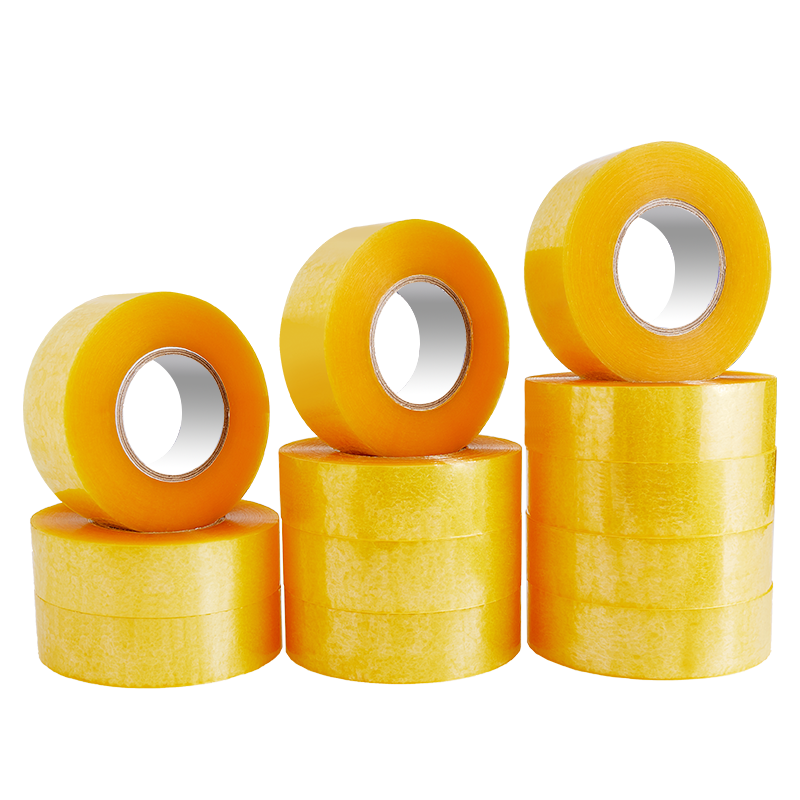
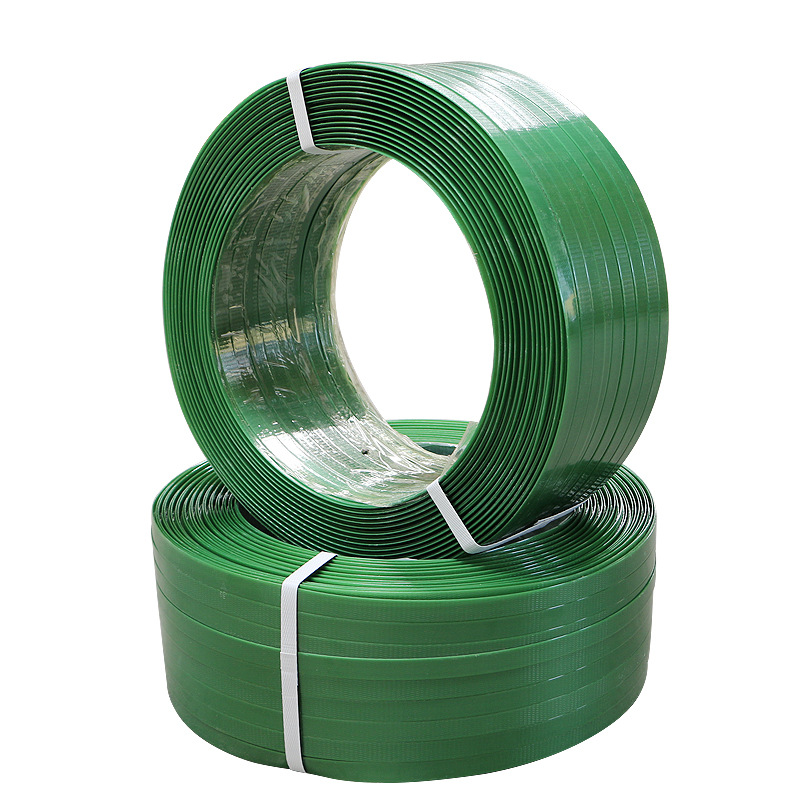
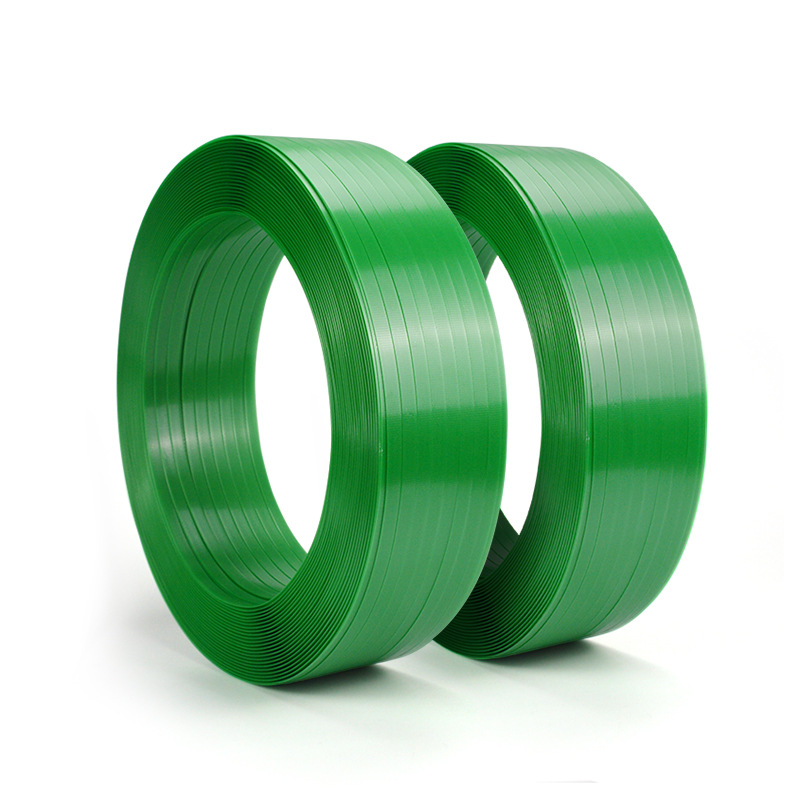
A packaging material purchase order checklist should make the approved product, application, quantity, packing, inspection reference, delivery details, and change process clear before the order is released. For stretch film, sealing tape, PP/PET strapping, or shipping cartons, the PO should connect the material to the operation that will use it. RX Packaging’s current site presents these product families and asks buyers to describe what they pack, how they use it, and where it will be shipped. This guide helps buyers turn that information into a controlled order confirmation without assuming unverified commercial or technical values.

1. What should a packaging material purchase order identify?
A packaging material purchase order should identify the buyer, supplier, product family, approved reference, order status, and responsible contacts. The PO is the release document, so a product name alone is not enough when a supplier offers several constructions, formats, colors, or applications.
Start with a header that lets purchasing, quality, warehouse, and the supplier refer to the same order.
- Buyer legal or trading name and purchase-order number
- Supplier name, contact, and quotation or sample reference
- Product family and internal item code, if one exists
- Revision date, approval owner, and requested confirmation date
| PO field | Why it matters | Buyer evidence or action |
|---|---|---|
| Product family | Prevents a tape, film, strap, or carton request from being confused with another item | Link the line to the current product or category page |
| Approved reference | Connects the PO to the reviewed sample or specification | Add the sample, drawing, or specification revision |
| Responsible contact | Gives questions a clear owner | Name purchasing and supplier contacts |
| Revision status | Prevents an old draft from being released | Mark the approved revision and date |
Approve the header only after every line can be traced to the same quotation, sample, or specification record.
2. Which product and application details belong in the PO?
The PO should state what the material will do and where it will be used. A buyer who writes “strong packaging material” leaves the supplier to guess about the load, packing step, equipment, carton, or shipping route.
Use the application description already collected during the RFQ and sample stage. For example, identify whether the material will seal cartons, wrap pallets, bundle cartons, or support another stated packaging task.
- Packing or shipping task
- Product or load being packed
- Hand-use or machine-use context when relevant
- Carton, pallet, warehouse, or route conditions that affect approval
For product-family navigation, use the current RX Packaging product overview and the relevant stretch film category, sealing tape category, strapping band category, or shipping carton category as the starting point. These links help the buyer name the product family; they do not replace written confirmation of the ordered construction.
| Application entry | Decision it supports | What to record |
|---|---|---|
| Packing task | Shows how the material will be applied | Sealing, wrapping, bundling, or carton use |
| Equipment or tool | Checks operational fit | Hand tool, dispenser, machine, or no equipment stated |
| Load and handling | Sets the approval context | Carton, pallet, product shape, and handling route |
| Destination and storage | Exposes environmental questions | Warehouse, loading, transit, and destination details |
Ask the supplier to confirm any application field that remains uncertain instead of filling it with an assumption.

3. How should buyers record quantity and packing information?
A packaging PO should separate the quantity ordered from the way the goods will be packed and identified. The supplier needs a clear line-item structure, while the warehouse needs to know what will arrive and how to receive it.
Use the quotation and approved product reference to define the ordered unit. If the site or quotation does not state a value, leave it as a confirmation field rather than inventing a roll length, carton count, or MOQ.
- Ordered product and variant for each line
- Quantity and unit as confirmed in the quotation
- Inner and outer packing description, when applicable
- Marking, label, pallet, or carton-identification requirements
| Quantity or packing item | Why it matters | Release check |
|---|---|---|
| Ordered unit | Avoids confusion between rolls, cartons, sets, or other units | Match the quotation and supplier confirmation |
| Line quantity | Supports receiving and invoice review | Check the approved order quantity |
| Packing format | Helps warehouse planning | Confirm inner, outer, and pallet packing if applicable |
| Identification | Supports traceability at receipt | Agree on labels, references, or marks required by the buyer |
Do not approve a line until the ordered unit and packing description use the same terms on the PO and supplier confirmation.

4. What quality and sample references should the order include?
The PO should point to the quality reference that the buyer and supplier will use, such as an approved sample, specification sheet, inspection checklist, or agreed written confirmation. The order should not turn a general product description into an unverified performance claim.
RX Packaging’s service page states that it provides OEM/ODM service, free sample service under stated conditions, and custom packaging service. Those service statements support a sample and customization discussion; they do not establish a technical value for every product.
- Sample identity and approval status
- Specification-sheet revision or quotation reference
- Incoming inspection points and record owner
- Process for handling a mismatch or nonconforming delivery
For a broader document structure, link the PO to the packaging material specification sheet guide and the packaging material quality inspection checklist.
| Quality reference | Purpose | Buyer action |
|---|---|---|
| Approved sample | Gives both sides a physical reference | Record its identity and approval status |
| Specification sheet | Defines the requested product and application | Attach or reference the approved revision |
| Inspection checklist | Makes receiving checks repeatable | Name the checks and responsible team |
| Change record | Controls later differences | Require notice and review before acceptance |
Release the PO only when the supplier can identify the same quality reference in the order confirmation.

5. Which delivery and destination details need confirmation?
Delivery information should describe where the order is going, who receives it, and which commercial terms the buyer has approved. A generic “ship as soon as possible” instruction is not a controlled delivery requirement.
The current contact page asks buyers for a product category, application, estimated quantity, destination country, and customization need. Use those fields to check that the PO contains the information needed for the supplier conversation, then confirm the final commercial terms in writing.
- Ship-to location and destination country
- Requested delivery window or date as agreed
- Shipping, packing, and receiving instructions
- Commercial terms and payment details as confirmed in the quotation or contract
| Delivery field | Why it matters | Confirmation needed |
|---|---|---|
| Ship-to address | Prevents routing mistakes | Match the approved buyer instruction |
| Destination country | Supports shipping coordination | Confirm before order release |
| Delivery timing | Aligns material with the buyer’s plan | Use the agreed date or window |
| Commercial terms | Prevents quotation and PO mismatch | Confirm the approved terms with the supplier |
Keep unconfirmed dates, prices, and terms out of the final PO until the supplier has acknowledged them.

6. How should a buyer handle changes after PO approval?
A post-approval change should be recorded, reviewed, and accepted before it becomes part of the shipment. The change may involve the product reference, material, packing format, label, production arrangement, or delivery instruction.
Use the existing packaging material change notification checklist when a supplier proposes a change. The PO record should show which revision was approved and whether a new sample, inspection, or internal sign-off is required.
- Describe the proposed change and affected line item
- State why the change is proposed and when it would apply
- Identify the evidence available for review
- Record buyer approval, rejection, or pending status
| Change-control item | Decision it supports | Required record |
|---|---|---|
| Affected line | Shows what may differ | Product, reference, or packing line |
| Effective point | Prevents mixed expectations | Shipment, batch, or order point as agreed |
| Evidence | Supports technical review | Sample, document, photo, or supplier explanation |
| Approval status | Stops an unreviewed change | Named approver and decision date |
Do not treat a changed shipment as the approved reference until the buyer’s review is complete.
7. What should the supplier confirm before production?
Before production, the supplier should confirm that the PO, quotation, sample or specification reference, packing instruction, destination, and change status are understood. This confirmation is a control point, not a substitute for the buyer’s own approval process.
Send one consolidated confirmation request rather than asking different teams to approve disconnected details. RX Packaging’s services page describes OEM/ODM, sample, custom packaging, and technical/commercial assistance; use the confirmed service route to keep open questions together.
- PO number and product line match
- Sample or specification reference is understood
- Quantity, unit, packing, and marks are clear
- Destination, timing, and unresolved questions are acknowledged
| Supplier confirmation | Buyer’s release decision | Evidence |
|---|---|---|
| Product and reference | Same item is being produced | Signed or written order confirmation |
| Quantity and packing | Receiving plan is workable | Confirmed packing details |
| Quality reference | Inspection basis is shared | Sample or specification reference |
| Open items | Risk is visible before production | Question log and owner |
Keep the confirmation with the PO record so purchasing and quality review the same information.
8. Which final checks should release a packaging material PO?
Release the PO when the product, application, quantity, quality reference, delivery details, and change status are complete and internally approved. If one of these fields is still unknown, mark it as pending and assign a question rather than guessing.
Use this final sequence:
- Compare the PO with the approved quotation and sample or specification
- Confirm the line item, unit, quantity, packing, and identification marks
- Check the application, destination, and receiving instructions
- Save the supplier confirmation and any approved change record
| Final gate | Pass condition | Hold condition |
|---|---|---|
| Product identity | PO matches the approved reference | Product or variant is unclear |
| Application | Use and equipment context are recorded | Supplier must still recommend or confirm fit |
| Quality | Sample, specification, and inspection reference are linked | No shared approval reference |
| Delivery | Ship-to, timing, and commercial terms are confirmed | Date, destination, or terms remain open |
Approve the order after the release owner can show the complete record, not merely a product name or image.
9. Packaging material purchase order FAQ
What is the most important item in a packaging material PO?
The most important item is a clear link between the ordered product and the approved application and reference. A product name without a sample, specification, or quotation reference may leave room for different interpretations.
Should a PO include the buyer’s packaging application?
Yes. The application tells the supplier whether the material will seal cartons, wrap pallets, bundle cartons, or support another defined task. It also gives quality and warehouse teams a shared approval context.
Should buyers put price and MOQ in a packaging checklist?
Record price, MOQ, lead time, and other commercial values only when they are confirmed in the current quotation, contract, or supplier communication. This guide does not infer those values from a product page.
How does a sample relate to the PO?
The PO should reference the approved sample or sample-review record when the order depends on one. The sample is a comparison reference; it does not remove the need to define the ordered line and receiving checks.
What should happen if the supplier changes the packing format?
Record the proposed change, affected line, effective point, evidence, and approval status. Review it before treating the next shipment as equivalent to the approved order.
Can one PO cover different packaging materials?
It can, if each line clearly identifies its product family, application, quantity, quality reference, packing, and delivery requirements. Keep the lines separate enough for purchasing, receiving, and inspection teams to verify them.
Where should a buyer send an incomplete packaging request?
Use the current RX Packaging contact page and provide the product category, application, estimated quantity, destination country, and customization need. The supplier can then confirm the missing fields before the PO is released.
10. Final buyer takeaway
A packaging material purchase order checklist works when it turns an approved buying decision into a shared production and receiving record. Keep the PO tied to the application, quotation, sample or specification, packing plan, delivery instruction, and change-control record. RX Packaging’s current product and service pages provide the starting points for discussing stretch film, sealing tape, PP/PET strapping, shipping cartons, sampling, and customization; the buyer should confirm the final order details in writing before release.