
Packaging Supplier Onboarding Checklist: What Should a B2B Buyer Confirm Before the First Order?
A packaging supplier onboarding checklist should turn a supplier decision into a shared first-order record. Before releasing the first order, confirm the product family, packing application, approved reference, sample status, responsible contacts, commercial fields, destination, and open questions. Do not treat a supplier shortlist, quotation, or product page as a completed handoff. Each team should know which information is confirmed and who owns the next decision.
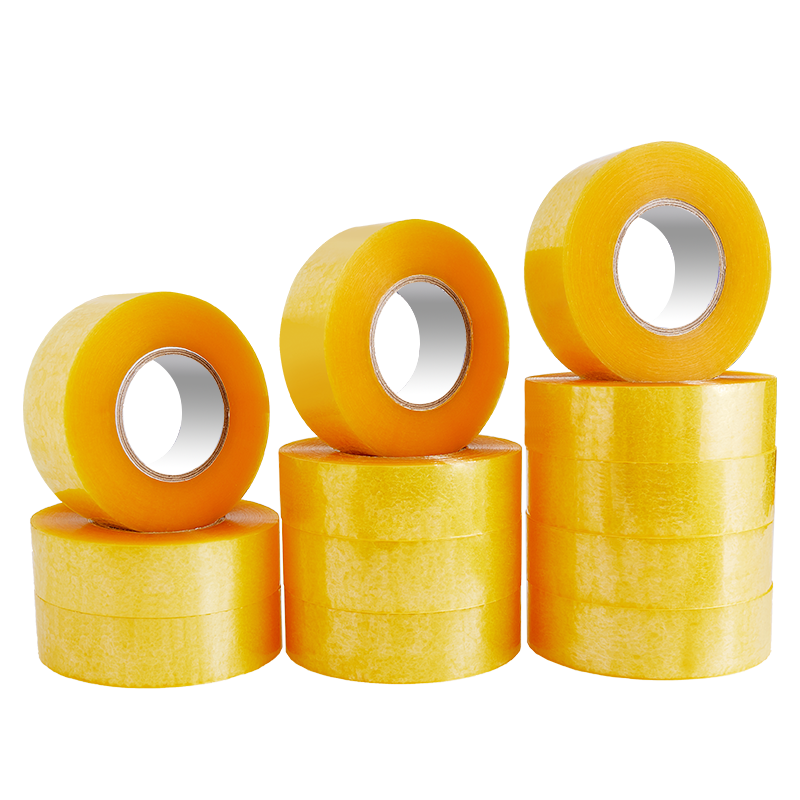
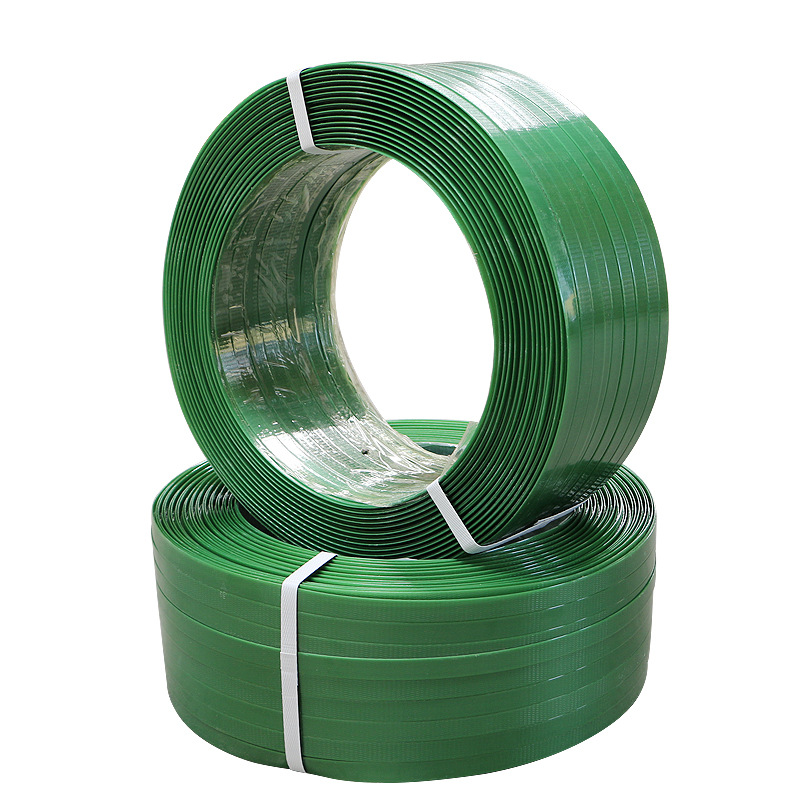
RX Packaging’s current site presents stretch film, sealing tape, PP/PET strapping, and shipping cartons as separate product families. Its service and contact pages also give buyers a route to discuss samples, customization, application, estimated quantity, destination, and other open requirements. This guide uses those verified site facts to structure onboarding without inventing product specifications or commercial terms.

What should supplier onboarding achieve before the first order?
Supplier onboarding should answer one practical question: can purchasing, quality, warehouse, operations, and the supplier work from the same approved information?
The onboarding record should connect:
- the supplier identity and responsible contacts;
- the packaging product family and intended application;
- the approved sample, specification, quotation, or product reference;
- the agreed order, packing, destination, and communication fields;
- the open questions, owners, and release decision.
| Onboarding outcome | Evidence to keep | Release question |
|---|---|---|
| Supplier identity is clear | Company, contact, and approved communication route | Who confirms product and order questions? |
| Product scope is clear | Product family and application record | Are the buyer and supplier discussing the same material family? |
| Approval basis is clear | Sample, specification, quotation, or written reference | What will the buyer compare at receipt? |
| Responsibilities are clear | Owner list and question log | Who closes each open point before release? |
| First-order gate is clear | Signed or written handoff record | Is the order ready, pending, or held? |
Use the current product overview to identify the relevant product family, then record the application separately. A product-family link is a starting point for discussion, not proof that every technical or commercial field has been agreed.

Which product families and applications should be handed over?
The handoff should state what the material will do and where it will be used. “Packaging supplies” is too broad when the buyer needs a specific conversation about stretch film, sealing tape, strapping, or cartons.
| Product family | Application context to hand over | Buyer question |
|---|---|---|
| Stretch film | Pallet wrapping, load containment, hand or machine use when applicable | What load and wrapping process does the approved reference serve? |
| Sealing tape | Carton closure, surface, dispenser, or taping process when applicable | Which carton and sealing context should the supplier confirm? |
| PP/PET strapping | Bundling cartons or securing grouped loads | What load and joining method are part of the approval? |
| Shipping carton | Product containment, packing arrangement, and handling route | What product and shipment context defines the carton requirement? |
The current Stretch Film, Sealing Tape, Strapping Band, and Shipping Carton category pages help classify the request. They do not replace the buyer’s approved application record.
Keep the product family and application visible in the onboarding file so an inquiry about a sample, quotation, or customization does not become detached from the packing task. If the application is still uncertain, mark it as a supplier question instead of assigning an unsupported specification.
What approved references and samples should be attached?
A first-order handoff should identify the reference that both sides will use. Depending on the project, this may be an approved sample, specification sheet, quotation line, product page, drawing, or written confirmation. The record should state its revision or date when the buyer’s process uses revisions.
| Reference | What it supports | What it does not prove by itself |
|---|---|---|
| Approved sample | Physical comparison for the buyer’s review | That every later shipment will match without confirmation |
| Specification sheet | Stated product and application requirements | That an untested use case will perform as expected |
| Quotation line | Supplier’s stated offer and commercial reference | That two quotations describe equivalent products |
| Product or category page | Product-family navigation and inquiry context | The exact ordered construction, quantity, or terms |
| Inspection record | Result of a defined buyer check | A general guarantee for every use case |
Use the packaging material specification sheet guide and the sample validation guide as related records when they match the current buying process. Keep the evidence status visible: approved, pending review, superseded, or not provided.
Do not write a price, MOQ, lead time, performance figure, or certification scope into the onboarding record unless the current quotation, agreement, or applicable document confirms it. If a field is missing, record a question and its owner.

Which quality and change-control contacts should be named?
The onboarding record should name the people or teams responsible for product questions, sample approval, receiving checks, commercial confirmation, and later changes. A supplier contact alone is not enough if the buyer’s internal approval path is unclear.
At minimum, record:
- purchasing or commercial owner;
- quality or receiving owner;
- warehouse or operations contact when the application depends on handling;
- supplier contact for product and order questions;
- approval owner for samples, specifications, and changes;
- escalation route for an unresolved mismatch.
RX Packaging’s current Services page describes OEM/ODM service, sample service, custom packaging service, and technical or commercial assistance. Those statements support a discussion about the appropriate contact and evidence; they do not establish a product-specific guarantee or commercial commitment.
When a supplier proposes a change to product, packing, label, or production arrangement, move it into a controlled review. The packaging material change notification checklist is the relevant supporting page for recording the affected item, evidence, effective point, and approval status.

What commercial, packing, and destination fields need confirmation?
Before the first order, separate confirmed fields from open fields. The onboarding checklist should not turn a missing value into a site-wide claim or a buyer assumption.
| Field group | Record before release | If the field is missing |
|---|---|---|
| Product and unit | Product family, item reference, ordered unit, and quantity basis | Ask the supplier to confirm the exact reference and unit |
| Packing and identification | Inner, outer, pallet, label, or marking requirements when applicable | Mark pending and assign the receiving or purchasing owner |
| Destination | Ship-to location and destination country | Confirm through the buyer’s current instruction |
| Timing | Agreed delivery window or date, if provided | Keep it open until the supplier confirms the basis |
| Commercial terms | Price, MOQ, payment, and delivery scope only when confirmed | Request written confirmation for the current reference and order |
| Customization | OEM/ODM or custom packaging request and its approval status | Link the open request to the sample, artwork, or supplier question |
The current Contact Us page asks buyers for product category, application, estimated quantity, destination country, and customization need. Use those fields to prepare a complete supplier conversation, then confirm the final order details in writing.
RX Packaging’s About page identifies the company as RX Packaging and states that it was founded in 2007 and is based in Foshan, Guangdong, China. Use that as company-background context in an onboarding record, not as proof of a specific product specification or customer outcome.
How should open questions and responsibilities be tracked?
A useful onboarding log makes unfinished work visible. Each question should have a clear description, owner, source, due point, and status. “To be confirmed” is a valid status; an invented answer is not.
| Open item | Owner | Evidence or source | Status options |
|---|---|---|---|
| Product reference or variant | Purchasing and supplier | Quotation, sample, or specification | Open, confirmed, held |
| Application fit | Operations, quality, and supplier | Application description and sample review | Open, sample required, confirmed |
| Packing and identification | Purchasing and warehouse | Order confirmation or packing instruction | Open, confirmed, revised |
| Destination and timing | Purchasing and supplier | Buyer instruction and written confirmation | Open, confirmed, changed |
| Proposed product or process change | Quality and approval owner | Change notice and supporting evidence | Review, approved, rejected |
A question log should remain attached to the onboarding record until each item is closed or formally carried into the first-order approval. Do not hide an unresolved issue inside a general “approved” label.
What should the first-order release gate contain?
The first-order gate should show that the supplier handoff is complete enough for the buyer’s own approval process. It does not need to invent values that the current documents do not provide.
Use this release sequence:
- Confirm the supplier identity and communication route.
- Match the product family and application to the approved requirement.
- Attach the current sample, specification, quotation, or written reference.
- Confirm quantity, unit, packing, destination, and timing fields that are actually agreed.
- Assign any remaining commercial, technical, or customization questions.
- Record the approval owner and the decision: release, hold, sample, or clarify.
The packaging material purchase order checklist can be used once the buying decision is ready for order release. Keep onboarding separate from the PO: onboarding proves the handoff is understood; the PO records the approved order.

Packaging supplier onboarding checklist FAQ
What is a packaging supplier onboarding checklist?
It is a record used after supplier selection to align the supplier, product family, application, approved references, contacts, open questions, and first-order release decision.
Is supplier onboarding the same as a supplier audit?
No. A supplier audit evaluates the supplier against defined qualification or evidence requirements. Onboarding records how the selected supplier, approved product, responsibilities, and open questions will be handled for the next order.
Should the onboarding checklist include product specifications?
It should reference the current approved specification, sample, quotation, or product record when one exists. Do not invent a technical value when the current source does not state it.
Should price and MOQ be included?
Include price, MOQ, lead time, payment, and other commercial fields only when they are confirmed in the current quotation, contract, or supplier communication. Otherwise record them as open questions.
What if the buyer needs several packaging product families?
List stretch film, sealing tape, PP/PET strapping, and shipping cartons as separate product-family lines, each with its own application, approved reference, quantity basis, packing, and open questions.
When should a new sample be requested?
A new sample may be appropriate when the application, product reference, packing format, customization, or approval basis changes. Record the sample question and approval owner before treating it as a replacement reference.
How should supplier changes be handled after onboarding?
Record the affected product or process, proposed effective point, supporting evidence, and approval status. Use the change-notification process before treating the changed item as equivalent to the approved reference.
How can a buyer begin an onboarding discussion with RX Packaging?
Use the current RX Packaging contact page to provide the product category, application, estimated quantity, destination country, and customization need. The next step is to confirm the applicable reference, sample, and open questions in writing.
Final buyer takeaway
A packaging supplier onboarding checklist is complete when the first-order team can identify the supplier, product family, application, approved reference, responsibilities, open questions, and release decision without guessing. Keep those records separate from the quotation, PO, sample, receiving, and change-control documents they support. The current RX Packaging product, service, About, and contact pages provide verified starting points; the buyer and supplier still need to confirm the final order details for the specific project.