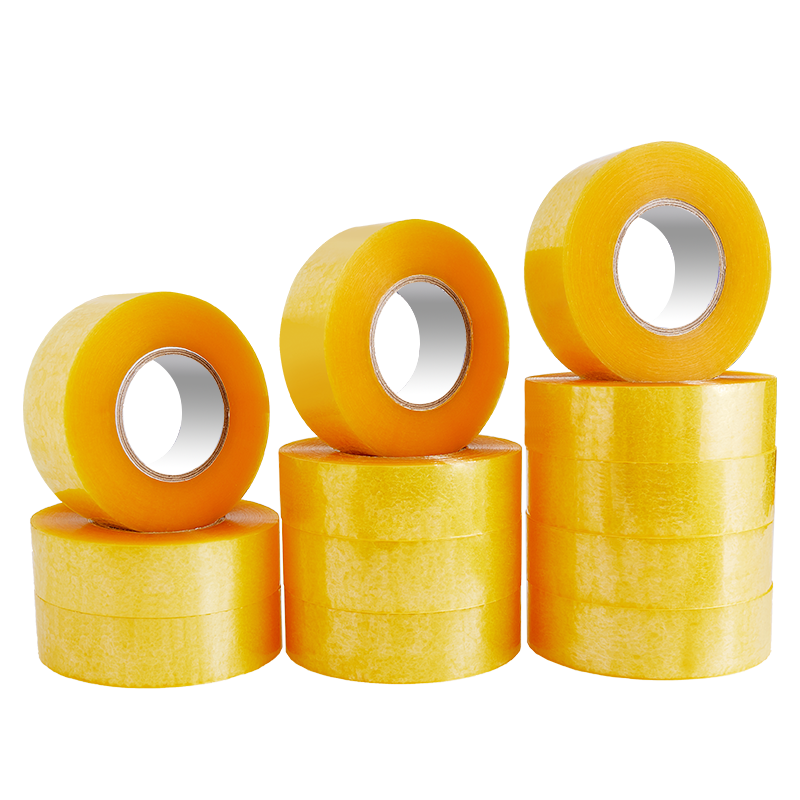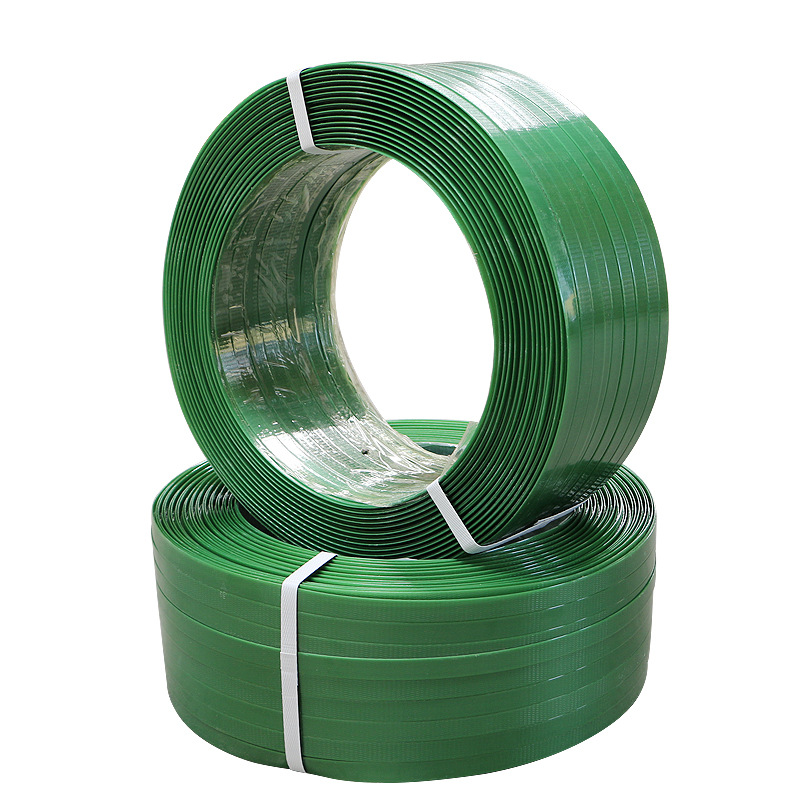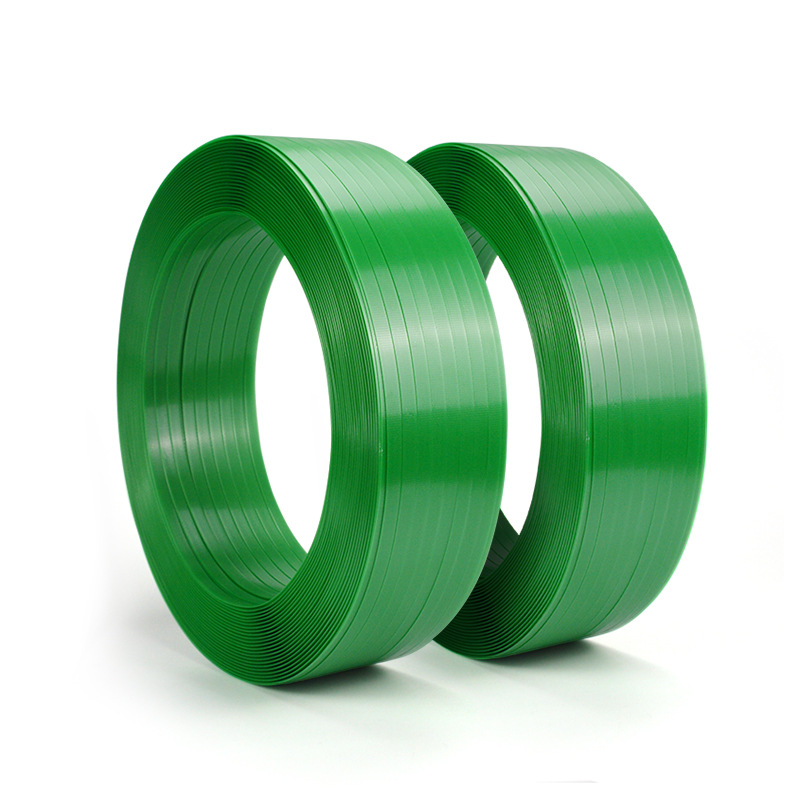

Packaging material lot traceability starts when a delivery arrives, not when a problem is discovered. The receiving team should be able to connect a roll, carton, or strapping coil to the supplier order, the approved product reference, the delivery record, the inspection result, and the stock-release decision. If one link is missing, purchasing and quality teams may have to investigate the shipment from memory.
This guide gives B2B buyers a practical way to set up that chain for stretch film, sealing tape, PP or PET strapping, and shipping cartons. It focuses on receiving and inventory control. It does not replace a product specification, sample approval, quality inspection method, or supplier change-notification process.
What does packaging material lot traceability need to connect?
A useful record connects five points: the purchase request, the approved reference, the delivered material, the receiving decision, and the stock status. The goal is not a complicated form. The goal is a record that lets another person follow the same delivery back to the relevant order and approval.
For a multi-product packaging program, start with the correct product family. RX Packaging presents stretch film, sealing tape, strapping band, and shipping cartons as separate product areas, so the receiving record should identify the family rather than rely on a broad description such as “packaging supplies.”
Start by linking these five records:
- the supplier order and requested quantity;
- the approved sample, specification, or product description;
- the roll, carton, coil, bundle, or shipment received;
- the receiving observation and reviewer;
- the release, hold, pending, or rejection decision.
| Traceability link | What it should identify | Buyer check |
|---|---|---|
| Purchase record | Supplier, order, item, and requested quantity | Match delivery paperwork to the order |
| Approved reference | Sample, specification, or approved product description | Confirm the reference is current |
| Delivered material | Roll, carton, coil, or pack identity | Record the supplier’s available identifier |
| Receiving result | Condition, inspection, and open questions | Name the reviewer and date |
| Stock status | Released, held, pending, or rejected | Make the status visible to the warehouse |
Keep each link connected; do not treat a delivery note or supplier email as the complete traceability record.

Which identifiers should buyers record at receiving?
Record the identifiers that are available and relevant to the order. Do not invent a batch number or treat a general product name as a lot reference. If the supplier has not provided a usable identifier, mark the gap and assign a follow-up owner before the material is released.
A receiving record can include:
- supplier name and order reference;
- product family and product description;
- supplier item code or internal item reference;
- roll, carton, coil, pack, or shipment identifier where supplied;
- delivery date and receiving location;
- quantity received and quantity checked;
- approved sample or specification reference;
- condition observed at receipt;
- inspection status and stock-release decision;
- reviewer, date, and follow-up action.
For stretch film, tape, and strapping, the record may need to distinguish a roll or coil from the outer carton. For shipping cartons, the relevant identity may be linked to a carton description, drawing, order reference, or pack configuration. The exact fields depend on the buyer’s purchasing system and the supplier’s documentation.

| Identifier area | What to record | When to ask a question |
|---|---|---|
| Order identity | Supplier, order, item, and delivery reference | The delivery cannot be linked to one order |
| Material identity | Product family, description, and item reference | Similar products could be mixed |
| Unit identity | Roll, coil, carton, bundle, pallet, or shipment | The label level is unclear |
| Quantity identity | Quantity received and quantity checked | Order and delivery units differ |
| Follow-up identity | Owner, date, and supplier question | A usable reference is missing |
Record the available evidence first; assign an owner to every unresolved field.
How should receiving compare a delivery with the approved reference?
Receiving should compare the delivery against the latest approved reference before normal stock release. The comparison can be document-based, visual, application-based, or a combination, depending on the buyer’s existing inspection plan.
Use this sequence:
- Find the approved record. Confirm which specification, sample, drawing, or product description applies.
- Match the product family. Separate stretch film, sealing tape, strapping band, and shipping carton records so similar descriptions do not get mixed.
- Compare the delivered description. Check the supplier description, item reference, packing information, and any available identifier.
- Inspect visible condition. Record crushed cartons, damaged rolls, contamination, open packaging, or other visible issues.
- Check the quantity and pack format. Compare delivered units with the order and delivery record.
- Record the decision. Release the material only when the required checks are complete; otherwise assign a hold or follow-up status.
The existing packaging material quality inspection checklist can provide a related inspection framework. Use the inspection method that applies to the specific material and order; do not copy an unrelated acceptance condition into the traceability record.

| Comparison point | What the team observes | Buyer action |
|---|---|---|
| Approved basis | Current sample, specification, drawing, or description | Confirm the correct revision |
| Product identity | Family, item reference, and packing level | Separate similar materials |
| Visible condition | Damage, contamination, open packing, or inconsistency | Record observations without guessing the cause |
| Quantity and format | Units received versus order and delivery record | Reconcile the difference |
| Decision | Release, hold, pending clarification, or rejection | Assign an owner and next action |
Keep the receiving decision tied to evidence, not to a generic product photograph or appearance alone.
What should a packaging material traceability record contain?
A useful record answers four questions: what arrived, what was it compared with, what did the team find, and what happens next? Use a short form that purchasing, quality, and warehouse staff can read in the same way.
The record should contain:
- delivery identity and receiving location;
- material identity and available supplier reference;
- approved sample, specification, drawing, or current purchase description;
- quantity and visible condition;
- inspection result or open question;
- stock decision and follow-up owner.
The packaging material specification sheet guide explains how buyers can separate confirmed requirements from supplier questions. The receiving record has a narrower job: show which requirement and approval reference were used for the delivered material.
| Record section | Information to capture | Why it helps |
|---|---|---|
| Delivery identity | Supplier, order, delivery date, and receiving location | Locates the transaction |
| Material identity | Product family, description, item reference, and available identifier | Prevents similar items being mixed |
| Approved basis | Specification, sample, drawing, or current purchase description | Shows what the delivery was checked against |
| Receiving check | Quantity, visible condition, packaging condition, and applicable inspection result | Separates observation from assumption |
| Stock decision | Released, held, pending clarification, or rejected | Tells the warehouse what may be used |
| Follow-up | Question, owner, supplier response, and closure date | Prevents open issues disappearing |
Use “not provided” or “to be confirmed” when a field is missing; a guessed value makes the record less reliable.
How can warehouses separate released, held, and unidentified stock?
Stock status should be visible before material is moved into normal picking or production locations. The physical control can be a designated area, a system status, a receiving tag, or another method that the warehouse team uses consistently.
At a minimum, define four states:
- Released: the required receiving checks are complete and the material may move into normal stock.
- Held: a visible issue or missing approval prevents use until an owner makes a decision.
- Pending clarification: the material may be acceptable, but a document, identifier, or supplier answer is still missing.
- Rejected or returned: the material does not meet the agreed basis or cannot be accepted under the buyer’s process.
Do not use a vague “received” status as a substitute for release. Receipt confirms that the material arrived; it does not confirm that the material has passed the buyer’s control process.

| Stock state | Meaning | Buyer control |
|---|---|---|
| Released | Required checks are complete | Make the approved use location visible |
| Held | An issue prevents use | Identify the owner and reason |
| Pending clarification | A document or answer is missing | Keep the item separate until resolved |
| Rejected or returned | The agreed basis is not met | Follow the buyer’s corrective process |
Approve movement into normal stock only after the status and supporting record agree.
How should buyers handle missing or conflicting identifiers?
Pause the release decision when the available references do not agree. Examples include a purchase order that names one item while the delivery document names another, an outer carton without the expected reference, or a supplier identifier that cannot be connected to the approved sample or specification.
Use a short escalation sequence:
- Record the exact mismatch without rewriting it as a conclusion.
- Retain the relevant packaging and paperwork according to your internal process.
- Move the affected material to the defined hold or pending area.
- Ask the supplier to identify the item, order, and applicable approved reference.
- Ask purchasing or quality whether a document review, sample comparison, or further inspection is required.
- Record the final decision and update the status before use.
If the issue relates to a supplier, material, specification, or pack-format change, connect it to the packaging material change notification checklist. That page covers the separate approval question; this section covers the receiving response when identity or status is unclear.
| Conflict | Immediate control | Closure evidence |
|---|---|---|
| Order and delivery references differ | Hold or pending status | Written identification and decision |
| Packaging lacks an expected reference | Keep separate from released stock | Supplier response or approved internal link |
| Supplier identifier is unclear | Record the identifier as provided | Confirmed relationship to the approved basis |
| Material or pack format may have changed | Start change-control review | Approved change record or disposition |
Preserve the original evidence and record how the mismatch was resolved before release.
How can the record support repeat orders and supplier follow-up?
A traceability record becomes more useful when purchasing reviews it across repeat orders. Look for repeated clarification requests, recurring packaging damage, inconsistent descriptions, or delays caused by missing approval references. These signals can improve the next purchase specification or supplier discussion without relying on memory.
Use the record to prepare the next supplier conversation:
- identify the item or product family received;
- show the approved reference used at receiving;
- separate confirmed observations from open questions;
- describe the stock decision and any affected quantity;
- ask for a specific correction or document;
- record the response and action for the next delivery.
RX Packaging’s product overview and product categories can help buyers direct a question to the relevant material family. For a product-specific request, start from the stretch film, sealing tape, strapping band, or shipping carton category, then send the receiving question through the contact page. The supplier should confirm current product and order details; the buyer should retain the final receiving decision in its own records.

| Follow-up signal | Question to ask | Record to retain |
|---|---|---|
| Repeated missing identifiers | Which field should be added before shipment? | Revised order or supplier instruction |
| Recurring visible damage | At which packing or handling point is it observed? | Receiving observation and response |
| Inconsistent descriptions | Which product reference is current? | Confirmed item mapping |
| Clarification delays | Who owns the supplier response? | Owner, date, and closure |
Use repeated receiving evidence to improve the next order, not to create an unsupported supplier claim.
What should buyers check before closing a receiving record?
Close the record only when another person can understand why the material was released, held, or rejected. A short checklist is enough if it covers the complete decision chain.
Check the following:
- supplier and order reference are recorded;
- product family and delivered description are clear;
- current approved sample, specification, or purchase reference is identified;
- available roll, carton, coil, pack, or shipment identifiers are recorded;
- quantity and visible receiving condition are documented;
- stock status is clear to the warehouse;
- unresolved questions have an owner;
- any change or mismatch is linked to the relevant review;
- the final decision and date are saved.
| Close-out check | Evidence | Decision |
|---|---|---|
| Order and material identity | Order, delivery, and item references | Continue or clarify |
| Approved basis | Current sample, specification, drawing, or description | Confirm comparison basis |
| Receiving observation | Quantity and condition record | Release, hold, or investigate |
| Stock status | Visible warehouse or system status | Control movement |
| Follow-up | Owner, response, and closure date | Close or keep open |
Keep the record open or mark the missing information for follow-up when any required link is absent.
Frequently Asked Questions
What is packaging material lot traceability?
It is the process of linking delivered packaging material to the supplier order, approved reference, receiving check, and stock-release decision. The exact identifiers depend on the material, supplier documents, and buyer’s inventory process.
Does every packaging material need a supplier lot number?
Not necessarily. Buyers should record the identifiers that the supplier provides and define how the item is linked to the order and approved reference. If no usable identifier is provided, record the gap and resolve it before normal stock release.
What should receiving do when a carton has no clear item reference?
Place the affected material in the buyer’s defined pending or hold status, record the mismatch, and ask purchasing, quality, or the supplier to identify the item before it is used. Do not guess from appearance alone.
Is a delivery note enough for traceability?
A delivery note is one input. Traceability also needs the approved basis, receiving observations, and final stock status. Keep the documents connected rather than treating one document as the entire record.
Should held packaging material be inspected again?
The next step depends on why it was held. It may require document clarification, a visual check, a sample comparison, or another inspection defined by the buyer’s process. Record the reason and the decision owner.
Can one traceability record cover stretch film, tape, strapping, and cartons?
A program-level register can cover several product families, but each receipt should retain material-specific identity, approval, inspection, and status fields. Do not merge different products into one generic description.
How does lot traceability help with repeat purchasing?
It gives purchasing a record of what arrived, what was checked, and which questions remained open. That record can improve the next RFQ, receiving instruction, or supplier follow-up without relying on memory.
Where can I ask RX Packaging about a packaging material receiving question?
Use the relevant RX Packaging product or category page to identify the material family, then send the application and receiving question through the contact page. Ask the supplier to confirm current product and order details in writing.