
Primary keyword: packaging material change notification
Secondary keywords: packaging supplier change notice; packaging material change control; packaging specification change; supplier change notification checklist; packaging reapproval process
Search intent: Commercial investigation / procurement process implementation
SEO title: Packaging Material Change Notification: A B2B Buyer Checklist | RX Packaging
Meta description: Use a packaging material change notification checklist to review supplier, material, specification, and pack-format changes before approving the next shipment.
Slug: packaging-material-change-notification-checklist
A packaging material change notification should tell the buyer what changed, why it changed, when it will affect supply, and what evidence is available for review. The change may involve a supplier process, material construction, dimensions, roll or carton packing, labelling, or production location. Do not treat a new shipment as equivalent to an approved reference until purchasing, quality, and operations have reviewed the change. This guide helps buyers decide what to request, when to re-sample, and how to record approval.
1. What should a packaging material change notification cover?
A useful packaging material change notification connects the proposed change to the approved purchase description and the way the material is used. It should identify the affected product family, the current reference, the proposed reference, and the planned effective point. A short notice is acceptable when it still gives the buyer enough information to decide whether testing or re-approval is needed.
Start with a one-page change summary that purchasing, quality, and warehouse teams can read together.
- Affected product, category, or internal item reference
- Current approved description and proposed description
- Reason for the change and planned timing
- Evidence supplied and buyer decision required
| Field | Why it matters | Buyer action or evidence |
|---|---|---|
| Affected item | Prevents the notice from covering the wrong material | Match it to the approved order or specification |
| Change description | Defines what needs review | Ask the supplier to identify old and new conditions |
| Effective timing | Controls which shipment is affected | Confirm the first lot, roll, carton, or order affected |
| Decision owner | Prevents an informal approval | Name purchasing, quality, or operations responsibility |
Approve the notification format only after the affected item and timing are clear.
2. Which changes require buyer review before shipment?

A buyer should review any change that could alter fit, handling, appearance, identification, inspection, or the way the packaging material performs in the buyer’s operation. A notice does not prove that the new material is acceptable; it starts the review.
Compare the proposed change with the approved sample, specification sheet, purchase description, and packing instructions.
- Supplier, factory, or production-line change
- Material, construction, adhesive, or board change
- Width, thickness, length, core, roll, carton, or pack-format change
- Label, colour, artwork, marking, or traceability change
| Change area | Possible buyer impact | Review question |
|---|---|---|
| Supplier or site | Different process or control record | Has the responsible production source changed? |
| Material or construction | Different handling or application result | What sample or evidence compares old and new? |
| Dimensions or pack format | Tool, shelf, pallet, or line fit | Does the approved application still match? |
| Marking or label | Receiving and traceability errors | Can the warehouse identify the new material correctly? |
Hold the affected shipment when the change cannot be linked to an approved review.
3. How should a buyer review a supplier or production-site change?
A supplier or production-site change deserves a process review because the material name may remain the same while the manufacturing controls, records, or release process change. The buyer does not need to assume that every site change creates a failure. The buyer does need enough information to decide whether the approved reference still applies.
Ask for the new source, effective date, affected orders, and comparison evidence. Keep the request tied to the material and application rather than asking for a general promise of unchanged quality.
- Identify the old and new supplier or production source
- Confirm whether the product description and approval reference remain the same
- Request a representative comparison sample when the risk justifies it
- Record who reviewed the change and what decision was made
| Review item | Reason to check | Record |
|---|---|---|
| Production source | Establishes where the change enters the supply chain | Old source, new source, effective order |
| Process controls | Shows what evidence supports continuity | Supplier explanation and available records |
| Sample comparison | Tests the material in the real application | Trial result and open questions |
| Approval owner | Creates an accountable decision | Name, date, and decision status |
Release a site change only after the evidence matches the buyer’s acceptance process.
4. What evidence should accompany a material or construction change?

The evidence should describe the old and proposed material clearly enough for the buyer to decide whether to compare samples or update the specification. Use the supplier’s documents as review inputs, not as a substitute for an application check.
Request only evidence that helps answer the change question and record any item that remains unconfirmed.
- A marked-up description showing the affected material or construction
- A reason for change and the planned implementation date
- A comparison sample or sample plan where appropriate
- Updated packing, identification, or inspection information
| Evidence | Buyer use | Acceptance question |
|---|---|---|
| Change summary | Defines the proposed difference | Is the change specific rather than generic? |
| Comparison sample | Tests the real application | Does the buyer need a controlled trial? |
| Updated document | Keeps purchasing and receiving aligned | Which internal reference must change? |
| Timing record | Prevents mixed approvals | Which shipment or lot starts the change? |
Request clarification before approval when the evidence does not identify the affected reference.
5. When should a buyer re-sample or re-approve packaging material?

Re-sampling is appropriate when the change could affect the material’s fit, application, handling, inspection, or acceptance conditions. The decision depends on the change and the buyer’s risk process, not on a supplier’s statement that the material is “equivalent.” A first sample should be tested against the actual packing task and recorded before full production or repeat supply.
Use the existing sample-validation process as the test record, then link the result to the change notice.
- Re-sample when the material construction or dimensions change
- Re-sample when the application tool, carton, load, or packing method could be affected
- Request document review when the change is limited and evidence is sufficient
- Record the reason when re-sampling is not required
| Decision | When it fits | Required record |
|---|---|---|
| Approve after document review | Change is defined and risk is controlled | Evidence, reviewer, date |
| Approve after sample trial | Application impact needs testing | Sample identity and result |
| Hold for clarification | Notice or evidence is incomplete | Open question and owner |
| Reject or keep old reference | Change conflicts with the approved use | Reason and next action |
Link the decision to the buyer’s sample-validation guide rather than approving by email alone.
6. What should the change log record?
A change log should make the approval history readable after the shipment has arrived. Record the notification, affected reference, evidence, decision, and implementation point in one controlled location. The log can be simple, but it must distinguish proposed, under review, approved, held, and rejected changes.
Create one entry for each change rather than combining unrelated supplier updates in a general note.
- Change ID or internal reference
- Supplier notice date and planned effective date
- Affected products, documents, and shipments
- Review result, approver, and follow-up action
| Log field | Why it matters | Example of a useful entry |
|---|---|---|
| Change status | Shows whether supply may proceed | Under review / approved / held |
| Affected reference | Connects the notice to purchasing | Product, category, or item code |
| Evidence link | Allows later checking | Sample, comparison, or document record |
| Follow-up | Prevents open items disappearing | Update specification or inspect first shipment |
Close the log only after the open questions and first affected shipment are accounted for.
7. How can receiving teams prevent an unapproved change from entering stock?

Receiving teams need a clear way to identify material that is under review. Purchasing should send the approved status and affected reference to receiving before the first changed shipment arrives. This is especially important when old and new packaging materials may appear similar but require different records or handling instructions.
Connect the change notice to receiving inspection and stock-release rules.
- Flag the first affected order or shipment
- Give receiving the current approved description and reference
- Separate held material until the review decision is recorded
- Update the inspection checklist when the change affects receiving checks
| Control | Operational purpose | Buyer action |
|---|---|---|
| Order flag | Warns the receiving team before arrival | Mark the affected order or shipment |
| Reference check | Prevents old and new descriptions being mixed | Match label, document, and approved record |
| Hold status | Stops accidental use | Define who can release the material |
| Inspection update | Keeps checks aligned with the change | Review the quality inspection checklist |
Release stock only when the change status and receiving result agree.
8. What should buyers request before accepting the next shipment?
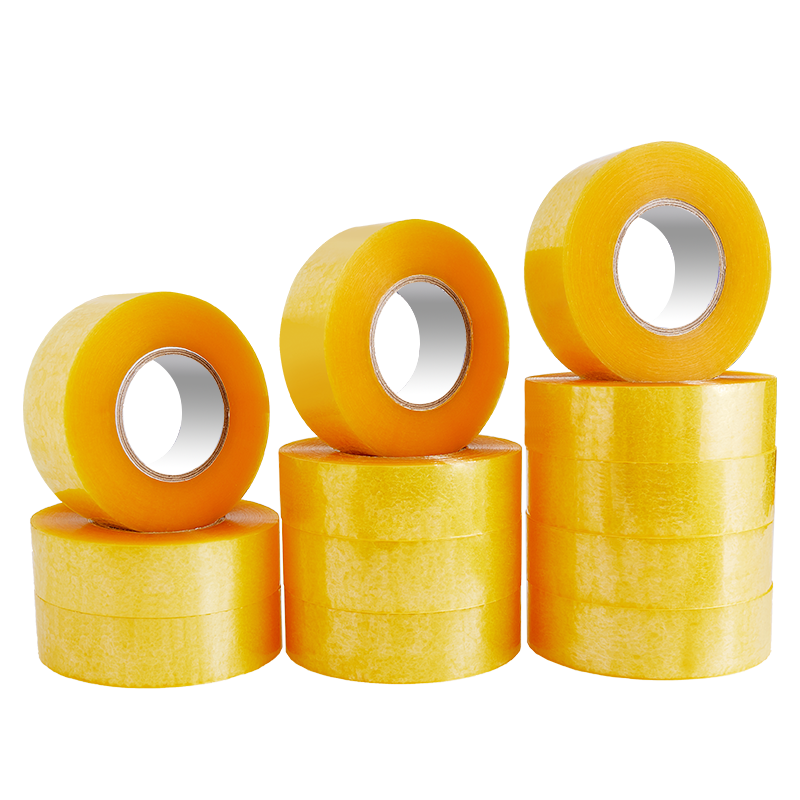
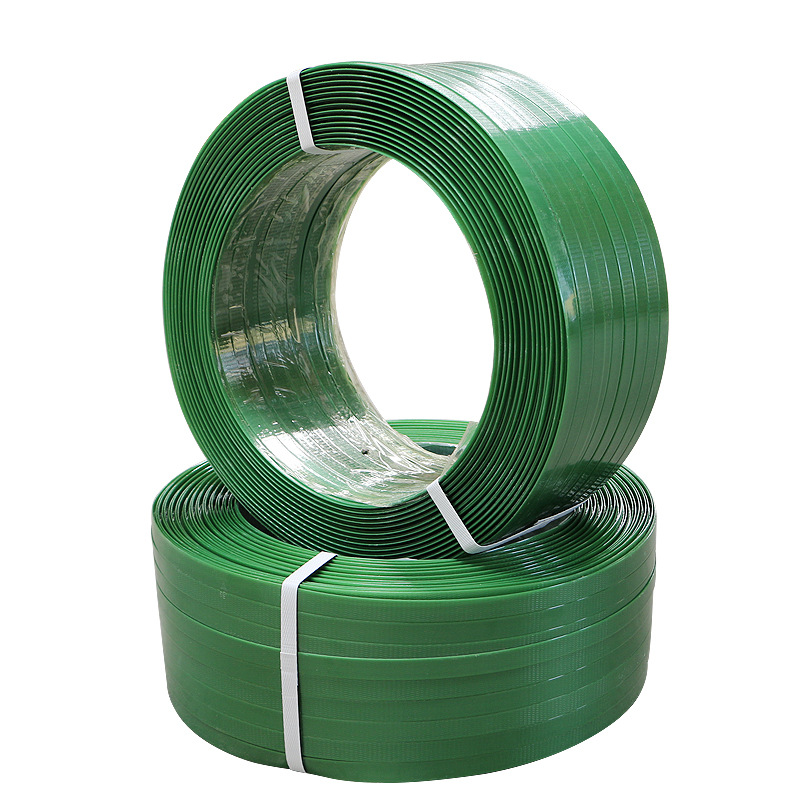
Before accepting the next shipment, request the final change notice, the affected reference, the implementation date, and the approval decision. If the change concerns stretch film, sealing tape, strapping, or shipping cartons, connect the review to the correct product family rather than using a generic packaging approval.
Use RX Packaging’s product overview and relevant stretch film, sealing tape, strapping band, or shipping carton category as starting points for a product-specific inquiry. RX Packaging can then receive the buyer’s application questions through the contact page, while the buyer keeps approval responsibility in its own records.
- Final change notice and affected item reference
- Supplier evidence and sample result, if required
- Approval or hold decision with named owner
- First-shipment receiving and follow-up plan
| Before acceptance | What to confirm | Record to keep |
|---|---|---|
| Product family | Which packaging material is affected | Category and item reference |
| Change status | Whether supply is approved, held, or pending | Decision record |
| Evidence | Whether the change was reviewed appropriately | Notice, sample, or document |
| First shipment | Whether receiving has a follow-up check | Inspection result and closure date |
Accept the shipment after the change record, approval status, and receiving controls agree.
Frequently Asked Questions
What is a packaging material change notification?
It is a supplier or internal notice describing a proposed change to an already-approved packaging material, source, specification, pack format, marking, or related process. The buyer uses it to decide whether document review, sampling, re-approval, or a shipment hold is needed.
Does every supplier change require a new sample?
Not automatically. The buyer should assess whether the change could affect fit, application, handling, inspection, or the approved use. Record the reason when document review is enough, and use a controlled sample trial when the application impact is uncertain.
What should a buyer do if the supplier gives only a general “equivalent” statement?
Ask for a specific comparison between the approved reference and the proposed change. Request the affected item, timing, reason, and available evidence before approving the next shipment.
Who should approve a packaging material change?
The responsible buyer should define the approval owner, normally with input from purchasing, quality, and operations. The record should show who reviewed the evidence, what decision was made, and when the decision applies.
How should a buyer handle the first shipment after approval?
Flag the first affected shipment, give receiving the current reference, and perform any follow-up inspection required by the change decision. Close the change log only after the first shipment is accounted for.
Does a change notification replace a packaging material specification sheet?
No. The notification records a change against an approved reference. The specification sheet remains the controlled document that describes the purchasing and inspection requirements. See the related packaging material specification-sheet guide for that separate document task.
Can a buyer approve a change by email alone?
An email can communicate the notice, but it should not replace the buyer’s controlled decision record. Keep the evidence, approval status, affected shipment, and follow-up action together.
What if the change is discovered after the shipment arrives?
Separate the affected material if the approval status is unclear, notify the responsible owner, and compare the shipment with the approved reference and change record. Do not assume that the material is acceptable only because it has arrived.