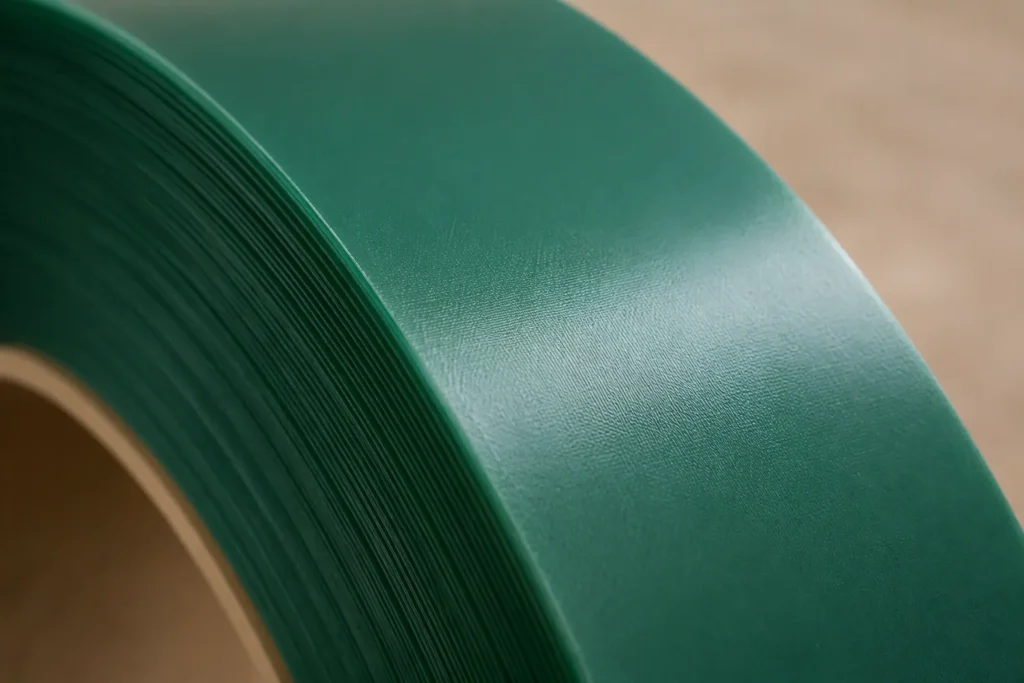
Strapping in the Agriculture Cold Chain: A Buyer Guide
Strapping in the agriculture cold chain must survive low temperatures, condensation, rough handling and long dwell on irregular packs. Standard PP band becomes brittle in freezers and loses tension as produce settles. The band also has to hold cartons and trays without crushing them. This guide helps buyers choose polymer, width and protection for chilled and frozen agricultural supply chains.
1. What makes strapping in the agriculture cold chain different?
Strapping in the agriculture cold chain faces conditions general packaging never sees. Temperatures swing from field heat to chilled rooms to freezer stores, and each move leaves condensation on band and pack. Produce also settles as it cools, so straps must follow compression without losing grip. Cold brittleness and moisture dominate.
Test bands at the lowest temperature your product will ever see.
| Dimension | Impact | Buyer action / evidence |
|---|---|---|
| Temperature range | Brittleness and creep | Log the coldest point |
| Moisture | Grip and corrosion | Inspect bands after thawing |
| Pack settling | Straps loosen as produce cools | Re-check tension after 24 hours |
2. How does the agriculture cold chain affect band choice?
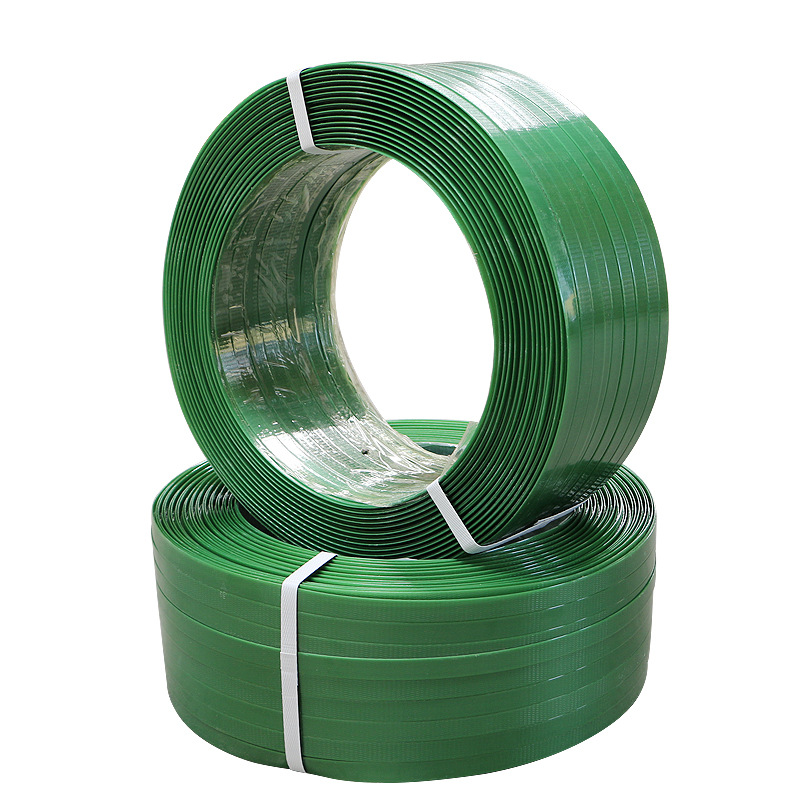
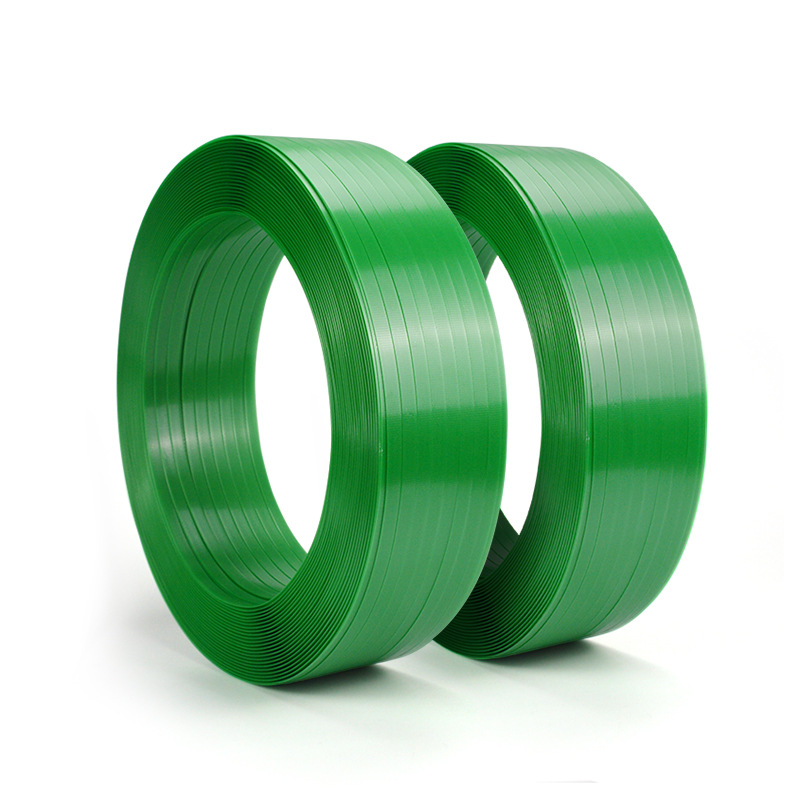
The agriculture cold chain pushes buyers toward PET for anything frozen, stacked or stored. PET keeps useful strength in the cold and holds tension while packs settle, which matters when pallets wait for a loading slot. PP can serve chilled cartons on short routes, but becomes fragile in freezers.
Match the polymer to the coldest step, not the packing room.
| Dimension | Impact | Buyer action / evidence |
|---|---|---|
| Coldest step | Determines polymer | Draw the temperature profile |
| Dwell time | Retention over days | Measure pack to dispatch |
| Stack height | Weight on lower pallets | Photograph freezer stacking |
3. Where does strapping agriculture cold chain packaging fail?
Strapping agriculture cold chain packaging fails where cold meets movement. Bands crack at corners when a frozen pallet is dropped or pushed, seals slip when condensation sits between band ends, and straps cut soft produce cartons when tension is set for heavier goods. Ventilation holes create weak edges.
Inspect frozen pallets after unloading, not only before dispatch.
| Dimension | Impact | Buyer action / evidence |
|---|---|---|
| Impact damage | Brittle failures in cold | Review unloading damage photos |
| Seal moisture | Weak or slipping joints | Test seals on damp band |
| Carton strength | Crush under tension | Check produce damage rates |
4. Which band suits produce, meat and dairy in the agriculture cold chain?
Different agricultural loads need different approaches. Produce cartons are ventilated and compressible, so band needs moderate tension and edge protection. Meat and dairy packs are dense, wet and boxed, so PET with strong seals performs best. Bagged goods need wider band to avoid tearing the bag surface.
Group your agricultural SKUs by pack type and write a band spec for each.
| Dimension | Impact | Buyer action / evidence |
|---|---|---|
| Pack type | Tension and width | List pack formats per line |
| Wetness | Seal and grip | Trial on damp packs |
| Ventilation | Weak carton points | Check strap path around holes |
5. How should a buyer specify strapping agriculture cold chain packaging?
Specifying strapping agriculture cold chain packaging starts with the temperature profile and pack weight. Document the coldest and warmest points, the dwell before dispatch, the pallet pattern and the handling equipment. Then choose polymer, width, strap count and protection, and write the tension setting into the work instruction.
Put the temperature profile at the top of the specification.
| Dimension | Impact | Buyer action / evidence |
|---|---|---|
| Spec completeness | Operators need rules | Audit specs against practice |
| Temperature data | Prevents wrong polymer | Place a logger in transit |
| Work instruction | Consistency across shifts | Check tension weekly |
6. What should you check on agriculture cold chain samples from a cold room?
Cold-room samples must be conditioned before testing. Chill or freeze band and loaded pack for a full day, then tension and handle them at that temperature. Watch for cracks at the seal, whitening at sharp bends and seal slip on damp surfaces. A band that passes warm can fail in minutes.
Condition samples for 24 hours before you judge them.
| Dimension | Impact | Buyer action / evidence |
|---|---|---|
| Conditioning | Room tests mislead | Store samples in the cold room |
| Impact result | Predicts breakage | Photograph tested corners |
| Seal condition | Cold seal reliability | Pull-test after conditioning |
7. How does condensation affect strapping agriculture cold chain performance?
Condensation affects strapping agriculture cold chain performance two ways: it lubricates surfaces so bands slide and seals fail, and it promotes corrosion on metal parts. Wet cartons also lose stacking strength, so the same tension crushes them more easily. Moisture control at the packing point matters as much as band choice.
Keep coils and seals dry at the packing station.
| Dimension | Impact | Buyer action / evidence |
|---|---|---|
| Coil storage | Damp band performs badly | Store coils off the floor |
| Seal method | Moisture tolerance | Test wet and dry seals |
| Carton moisture | Reduces strength | Check board on arrival |
8. Should you use PP or PET strapping in the agriculture cold chain?
PP or PET strapping in the agriculture cold chain depends on temperature and dwell. PET is the safer default for frozen, stacked and long-dwell loads because it keeps strength and tension in the cold. PP suits chilled cartons that move quickly and are handled gently. Any freezer step means PET.
Set the polymer from the coldest step, never from the packing room.
| Dimension | Impact | Buyer action / evidence |
|---|---|---|
| Coldest step | Brittleness risk | Confirm freezer temperatures |
| Dwell | Retention over days | Track dispatch lead time |
| Handling | Rough cold handling breaks PP | Observe unloading at store |
Q1. Does strapping in the agriculture cold chain need a special band?
It needs a band rated for the coldest step. PET is the usual choice for frozen and long-dwell loads, and any band should be tested after cold conditioning.
Q2. Why do frozen pallets arrive with loose straps?
Because produce settles as it cools and the band relaxes or cracks. PET retains tension better, and a 24-hour freezer re-check shows whether the pattern is adequate.
Q3. Can wet conditions break strapping agriculture cold chain seals?
Yes. Moisture between band ends interferes with welding and lets seals slip. Keep coils and seals dry and test joints on damp band.
Q4. How much tension should produce cartons use?
Only enough to contain the load without crushing ventilated cartons. Use protectors, wider band and more straps rather than higher tension when a load feels unstable.
Q5. What should I request before ordering?
Request cold-conditioned samples, seal tests on damp band and retention data at your freezer temperature. RX Packaging supplies PP and PET band with tension, corrosion and elasticity results.