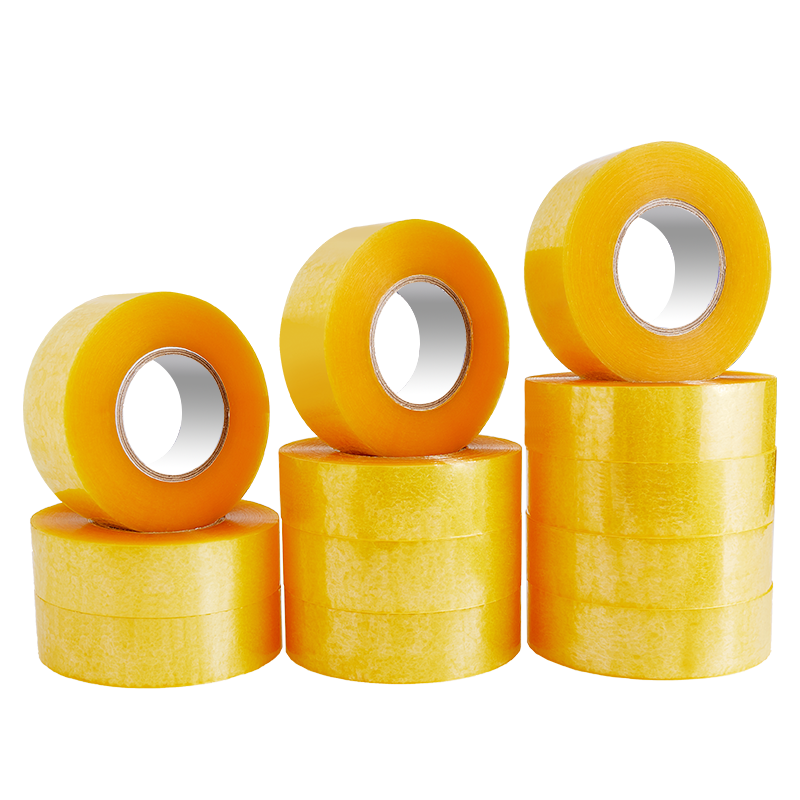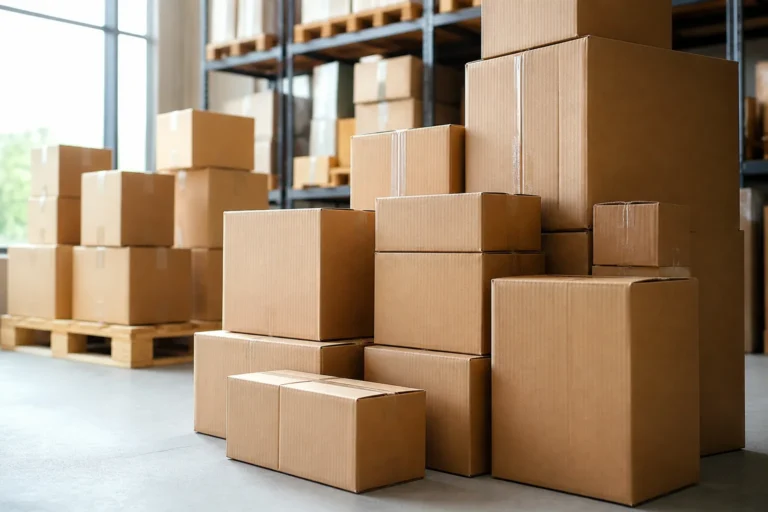
Recyclable packing tape matters when the box and the tape must enter the same recycling stream. A plastic tape on a paper carton can contaminate the board unless it is a recyclable or paper-based option. This guide helps buyers choose a tape that supports their sustainability goals without weakening the seal.
1. What is recyclable packing tape?
Recyclable packing tape is tape designed to break down or separate cleanly in the recycling process. It may be a paper tape with a water-activated adhesive, or a plastic tape engineered to be compatible with board recycling. The point is that it does not force the carton into landfill.
Start with the recycling system your boxes actually enter.
Confirm what your local recycler accepts before choosing.
| Type | Recyclability | Seal strength |
|---|---|---|
| Paper water-activated | High | Strong, tamper-evident |
| Board-compatible plastic | Good | Standard strength |
| Biodegradable | Varies | Check spec |
| Standard acrylic | Low | Strong but contaminates |
2. How does recyclable tape differ from standard tape?
Recyclable tape differs by its material and adhesive, which are chosen to break down or separate during pulping. Standard acrylic tape stays intact and can clog the recycling stream. The seal performance can be similar, but the material choice changes the environmental result.
The material, not the seal, is what makes it recyclable.
Compare the seal on your carton, not just the green label.
| Aspect | Standard tape | Recyclable tape |
|---|---|---|
| Film | Acrylic plastic | Paper or compatible |
| Adhesive | Synthetic | Releases or biodegrades |
| Recycling | Contaminates | Compatible |
| Seal | Strong | Comparable |
3. Where does recyclable tape matter most?
Recyclable tape matters most for brands that market sustainability, ship in paper cartons, and serve customers who recycle. It also matters for retailers with packaging-reduction targets. It matters less when cartons are not recycled at all.
Match the tape to the recycling promise your brand makes.
Skip it where boxes go to landfill regardless.
| Use case | Recyclable value | Priority |
|---|---|---|
| Eco brand | High | Use recyclable |
| Paper cartons | High | Use paper tape |
| Retail targets | High | Required |
| Landfill route | Low | Optional |
4. Which recyclable tape options suit e-commerce?
Paper water-activated tape suits e-commerce well because it bonds strongly to carton board and forms a tamper-evident seal. Board-compatible plastic tape suits automated lines that need a fast, dry application. The choice depends on whether you tape by hand or machine.
Choose by your taping method and volume.
Match the option to hand versus machine taping.
| Option | Application | Best for |
|---|---|---|
| Paper water-activated | Hand or dispenser | Manual packing |
| Compatible plastic | Machine | Automated lines |
| Printed paper | Hand | Branded eco box |
| Plain paper | Hand | Simple sealing |
5. How should a buyer choose recyclable tape?
Choose by testing the tape on the actual carton board and confirming it holds through the route, then verifying the recyclability claim with the supplier’s data. A green label means little without a real seal test and a real recycling-compatibility statement.
Test the seal, then verify the claim.
RX Packaging supplies recyclable and paper tape options from Foshan, made since 2007. Buyers can request a sample and sustainability data.
| Step | What to do | Why |
|---|---|---|
| Test | On your board | Real seal |
| Confirm | Route hold | No failures |
| Request | Recyclability data | Real claim |
| Check | Local rules | Actual result |
6. What should buyers check on recyclability claims?
Buyers should check whether the tape is certified, what the supplier’s compatibility data shows, and whether the local recycler accepts it. A vague “eco” label is not evidence. Ask for test data and any certification behind the claim.
Ask for data, not just a green label.
Verify the claim before putting it on your box.
| Check | What to ask | Why |
|---|---|---|
| Certification | Any standard | Credibility |
| Data | Compatibility tests | Real evidence |
| Local rules | Recycler accepts | Actual result |
| Disposal | Adhesive path | Full picture |
7. How can recyclable tape support a brand claim?
Recyclable tape supports a brand claim by closing the loop on packaging. A recyclable box with a recyclable tape is a complete, honest message; a recyclable box with contaminating tape is not. The tape is a small detail that can undermine a large sustainability story.
Make the tape match the box’s promise.
Choose the tape that matches the box you already claim.
| Brand claim | Tape choice | Result |
|---|---|---|
| Recyclable box | Recyclable tape | Honest loop |
| Plastic box | Plastic tape | Consistent |
| Mixed | Compatible tape | Best available |
| None | Any tape | No claim risk |
8. How does recyclable tape affect cost?
Recyclable tape usually costs a little more than standard acrylic tape, especially paper water-activated tape. The premium is often offset by stronger seals, less tape usage, and the brand value of a complete sustainability message. Compare total cost, not roll price.
Compare cost per sealed carton, including the brand value.
Justify the premium on the boxes that carry the message.
| Cost factor | Recyclable tape | Insight |
|---|---|---|
| Roll price | Slightly higher | Premium |
| Usage | Often less | Offsets cost |
| Rewraps | Fewer | Saves labour |
| Brand value | Positive | Soft benefit |
9. Should a buyer switch everything to recyclable tape?
Switch the customer-facing boxes first, where the sustainability message is seen and the brand benefit is highest. Keep standard tape on internal or industrial boxes where recycling compatibility adds cost without customer value. A phased switch is cheaper and lower-risk.
Phase the switch by box visibility, not all at once.
Switch the boxes that earn the premium.
| Box type | Switch order | Reason |
|---|---|---|
| Customer-facing | First | Brand value |
| Eco line | First | Claim support |
| Internal | Later or never | No value |
| Industrial | Keep standard | Cost focus |
10. What should buyers request before ordering recyclable tape?
Buyers should request a sample on their carton board, the recyclability data, the adhesive specification, and the price per roll before ordering. Confirm the seal holds through the route and the claim is verified. Release bulk only after the sample passes.
Request a sample, the data, and the price.
For recyclable packing tape matched to your cartons, contact RX Packaging for a sample and sustainability data.
| Request | Why | Decision |
|---|---|---|
| Sample | Real seal | Bulk approval |
| Data | Real claim | Compliance |
| Spec | Adhesive type | Performance |
| Price | Per-roll cost | Budget |
Q1. Is paper tape better than plastic tape for recycling?
Paper water-activated tape is usually the best for recycling because it separates cleanly in pulping and bonds strongly to carton board.
Q2. Does recyclable tape hold as well as acrylic?
Yes, when matched to the carton. Paper water-activated tape bonds strongly and is tamper-evident; board-compatible plastic tape holds comparably to standard tape.
Q3. Is recyclable tape more expensive?
It usually costs a little more per roll, but it often uses less tape and reduces rewraps, which can offset the premium.
Q4. How do I verify a recyclable tape claim?
Ask the supplier for recyclability or compatibility test data and any certification, and confirm your local recycler accepts the material.
Q5. What should I send for a recyclable tape quote?
Send your carton board type, taping method, monthly volume, and whether the box is marketed as recyclable. Ask for a sample and sustainability data.