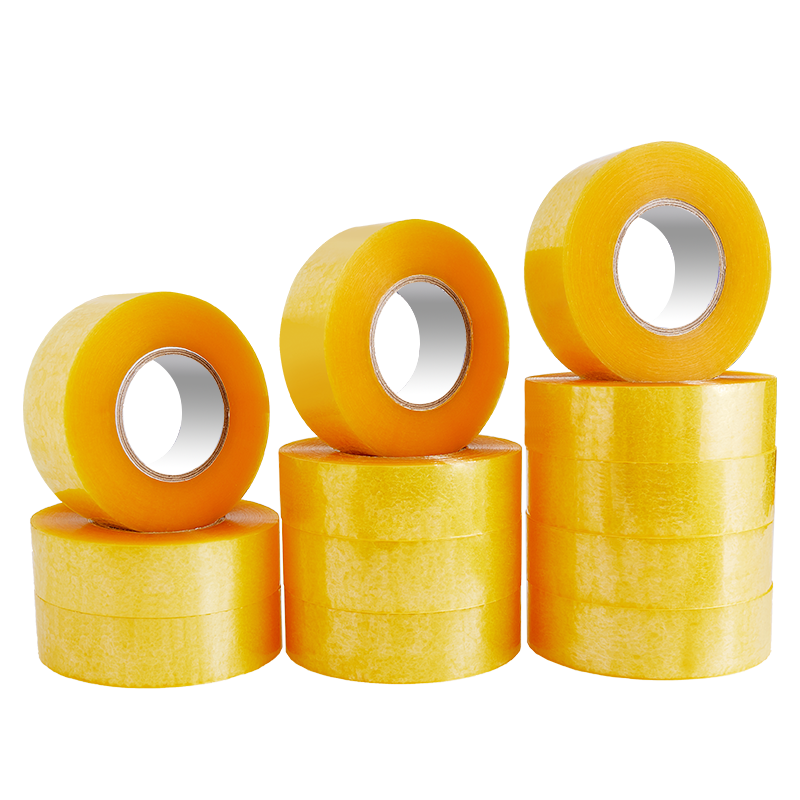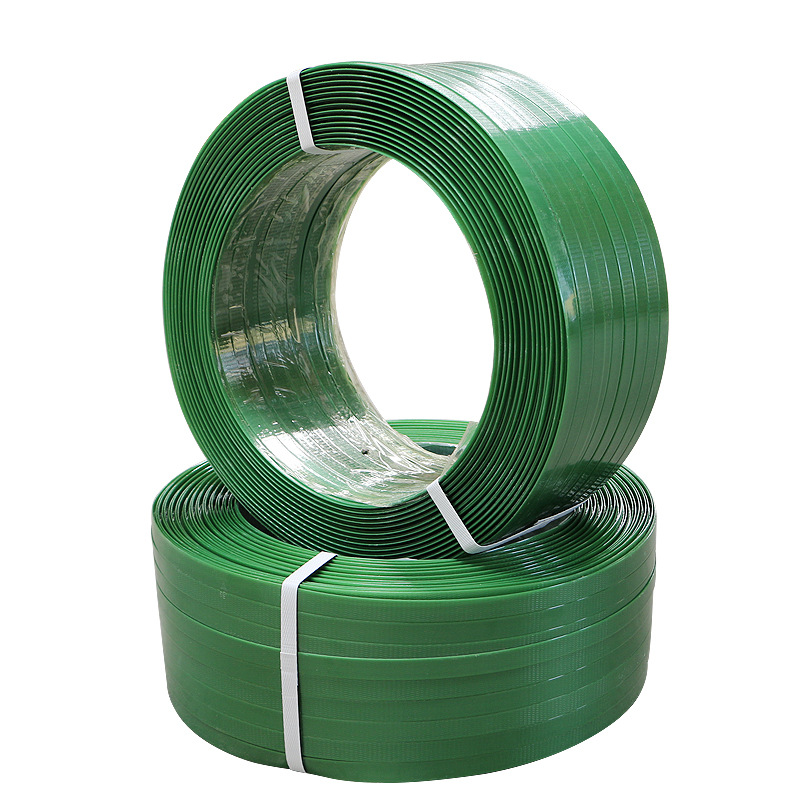

Multi-SKU warehouses need a packaging system that is easy to identify, replenish, and apply across different product groups. The right approach is to match shipping cartons, sealing tape, stretch film, and strapping band to distinct packing tasks instead of forcing every SKU into one packaging specification. Buyers should organize materials by product family, load pattern, packing method, and handling risk.
This guide helps B2B warehouse and procurement teams choose packaging materials for multi-SKU operations without creating unnecessary material complexity.
What Makes Multi-SKU Packaging Different?
A multi-SKU warehouse handles products that may differ in dimensions, weight, packing arrangement, order frequency, and shipping method. That variation makes a single universal material specification difficult to manage.
Which warehouse differences should buyers map first?
Group SKUs according to the factors that affect packaging decisions:
- Product dimensions and approximate weight
- Carton size or packing arrangement
- Individual-carton versus palletized handling
- Regular versus irregular load shapes
- Manual versus equipment-based application
- Frequent versus occasional order patterns
- Destination and handling requirements
The goal is not to create one packaging material for every SKU. The goal is to create a small, clear set of packaging rules that the warehouse team can apply consistently.
How Should You Group SKUs Before Selecting Materials?
Group SKUs by packaging need rather than by product name alone. A product family may contain different sizes, while unrelated products may use the same carton or load-stability method.
Which SKU groups are useful for packaging procurement?
Consider creating groups such as:
- Small or light products packed individually
- Products requiring larger shipping cartons
- Products shipped as uniform cartons on pallets
- Mixed or irregular cartons requiring additional load stabilization
- Products requiring manual packing
- Products handled with packing or wrapping equipment
| SKU grouping question | Why it matters | Material decision affected |
|---|---|---|
| Are the products packed individually? | Determines carton and closure needs | Shipping carton and sealing tape |
| Are cartons uniform on a pallet? | Helps assess load-stability needs | Stretch film or strapping band |
| Are loads mixed or irregular? | Changes how grouped cartons should be secured | Stretch film, strapping band, or combination |
| Is application manual or equipment-based? | Affects the operating process | Tape, film, and strapping selection |
This grouping method creates a practical bridge between the warehouse SKU list and the purchasing specification.
How Do You Choose Shipping Cartons for Multiple SKUs?
Choose cartons by matching the product, packing arrangement, and handling conditions. A multi-SKU warehouse may need several carton groups, but each group should have a clear reason for its selected size and application.
What carton information should be recorded?
For each carton group, record:
- Product dimensions and approximate weight
- Units packed in each carton
- Inner packaging or cushioning requirements
- Carton stacking and handling conditions
- Shipping destination and method
- Printing or customization requirements
Avoid adding carton variations without a packing reason. Too many similar carton specifications can increase picking and replenishment errors.
How Should Sealing Tape Be Assigned Across SKU Groups?
Assign sealing tape according to carton surface, closure method, handling environment, and application process. If several carton groups use the same closure method, they may be able to share a tape specification, subject to supplier confirmation.
Which tape questions help reduce warehouse complexity?
Ask:
- Do the carton groups have similar surfaces?
- Are cartons sealed manually or with equipment?
- Will cartons face cold, moisture, long storage, or cross-border handling?
- Is printed or colored tape required for identification?
- Can one tape direction serve multiple carton groups after review?
RX Packaging supplies polypropylene-based sealing tape and other packaging consumables. Buyers can review the sealing tape category and provide carton and application information before requesting a recommendation.
Should Stretch Film Be Standardized Across All Warehouse Loads?
Standardize stretch film only where the load structure, wrapping method, and handling needs are sufficiently similar. Different pallet patterns or irregular product groups may require a separate review.
Which load details should be compared?
Review:
- Uniform or mixed cartons
- Regular or irregular load shape
- Exposed corners or sharp edges
- Manual or machine application
- Pallet stability requirements
- Repeated warehouse handling
| Load pattern | Standardization question | What to confirm |
|---|---|---|
| Uniform cartons | Can the same wrapping process be repeated? | Load pattern and application method |
| Mixed cartons | Does one film direction suit all combinations? | Shape, movement, and exposed edges |
| Irregular loads | Does the load need a separate packing rule? | Stability and wrapping process |
| Different application methods | Are hand and machine processes being mixed? | Equipment and operator workflow |
The correct objective is controlled standardization, not automatic standardization.
When Should a Warehouse Use Strapping Band?
Strapping band may be relevant when products or cartons need to be bound into a stable bundle or when the load structure calls for banding rather than wrapping. The decision should follow the bundle shape, handling method, and application process.
What strapping information should procurement collect?
Record:
- Product or carton bundle description
- Manual or machine application
- Required handling sequence
- Whether the load is uniform or mixed
- Whether edge protection or other application details need review
RX Packaging’s product range includes PP/PET strapping band. Buyers can compare the relevant strapping band product category with the actual bundle and warehouse process before selecting a shared material direction.
How Many Packaging Specifications Does a Multi-SKU Warehouse Need?
The right number depends on how many genuinely different packing tasks the warehouse performs. Start with the fewest specifications that can safely and consistently cover the identified SKU groups, then separate a group when its product, load, or application needs are materially different.
How can buyers prevent unnecessary specifications?
Use a review sequence:
- Map all SKU groups and their packing tasks.
- Identify carton groups with similar dimensions and handling needs.
- Compare closure methods and tape requirements.
- Compare pallet or bundle stabilization needs.
- Separate manual and equipment-based applications.
- Confirm sample or application-review requirements with the supplier.
This approach helps procurement teams avoid both extremes: one unsuitable universal material and an unmanageable list of small variations.
How Should Buyers Build a Warehouse Packaging Matrix?
Build a packaging matrix that connects each SKU group to a material role and an application rule. The matrix should be usable by procurement, warehouse supervisors, and operators.
Which columns should the matrix include?
| Matrix field | Example purpose |
|---|---|
| SKU or product group | Identifies the packing family |
| Carton group | Connects the product to its shipping carton |
| Closure method | Identifies sealing tape requirements |
| Load-stability method | Identifies stretch film or strapping needs |
| Application method | Separates manual and equipment use |
| Destination or handling note | Records special operating conditions |
| Supplier confirmation | Shows what still needs review |
Do not use unverified product specifications as final purchasing data. Mark missing information clearly and confirm it with the supplier.
What Quality Information Matters for Multi-SKU Packaging?
Quality review should focus on the material and application used by each SKU group. Ask the supplier which quality checks apply to the requested product and how production consistency is reviewed.
What can buyers ask the manufacturer?
Ask about production quality, sample review, product-specific checks, and the information needed before a larger order. RX Packaging states that its production is SGS-certified and uses a 12-point quality inspection covering tension, corrosion resistance, and elasticity for applicable packaging products such as stretch film and strapping band.
RX Packaging has supplied packaging consumables from Foshan, China since 2007. Its product range includes stretch film, sealing tape, PP/PET strapping band, and shipping cartons. Buyers can use the packaging products page to organize the product categories needed for a multi-SKU warehouse.
How Do You Test a Packaging Rule Before Rollout?
Test the material rule against representative SKU groups before applying it across the entire warehouse. The test should include a normal group and any group with unusual dimensions, mixed cartons, or a different application method.
What should the rollout review check?
Confirm:
- Carton selection is clear for each SKU group
- Sealing tape is easy to identify and apply
- Stretch film or strapping instructions match the load
- Manual and equipment-based processes are separated
- Replenishment labels are understandable
- Sample or application issues are recorded
- Supplier confirmation is complete for unresolved details
RX Packaging can discuss a multi-SKU packaging application and sample plan based on the buyer’s product groups, load patterns, destination, and customization needs. Buyers can send these details through the RX Packaging contact page.
What Should a Multi-SKU Packaging RFQ Include?
A multi-SKU RFQ should explain the product groups rather than provide only one average requirement. This allows a B2B supplier to identify where a shared specification may work and where separate review is needed.
Which RFQ fields are most useful?
Include:
- Product or SKU group descriptions
- Product dimensions and approximate weight
- Carton and packing arrangements
- Closure method and application equipment
- Pallet, bundle, or load-stability requirements
- Destination and handling conditions
- Estimated quantity by material group
- Customization, sample, and documentation needs
- Questions about standardization across groups
A grouped RFQ gives suppliers a clearer basis for recommending cartons, sealing tape, stretch film, and strapping band.
FAQ: Packaging Materials for Multi-SKU Warehousing
What is the best packaging strategy for a multi-SKU warehouse?
Group SKUs by packaging task, then assign clear rules for cartons, sealing tape, stretch film, and strapping band. Use the fewest specifications that can safely cover the actual product and load differences.
Should every SKU have its own packaging material?
No. Different SKUs may share a packaging specification when their product, carton, closure, load, and application needs are sufficiently similar. Confirm the shared use with the supplier.
How do I reduce packaging variation in a warehouse?
Map SKU groups, identify shared carton and closure needs, separate manual from equipment-based applications, and review whether similar pallet or bundle patterns can share stretch film or strapping band.
Should I use stretch film or strapping band for palletized products?
Review the load structure and stabilization method. Stretch film wraps the load, while strapping band binds or secures bundles. The suitable direction depends on the actual cartons, pallet, and application process.
What information should I give a packaging supplier?
Provide SKU groups, product and carton details, packing method, load pattern, application method, destination, estimated quantity, and any sample or customization requirements.
Can one type of sealing tape serve multiple SKU groups?
It may be possible when carton surfaces, closure methods, handling conditions, and application processes are similar. Ask the supplier to review the groups before standardizing the tape.
What quality information does RX Packaging provide?
RX Packaging states that it is SGS-certified and uses a 12-point inspection covering tension, corrosion resistance, and elasticity for applicable packaging products such as stretch film and strapping band. Buyers should confirm which checks apply to the requested product group.
Final Multi-SKU Warehouse Checklist
Before standardizing packaging materials, confirm:
- [ ] SKU groups are based on packaging needs
- [ ] Carton groups are documented
- [ ] Sealing tape rules are linked to closure methods
- [ ] Stretch film and strapping band rules are linked to load patterns
- [ ] Manual and equipment-based applications are separated
- [ ] Replenishment labels and warehouse instructions are clear
- [ ] Supplier confirmation is recorded for unresolved details
- [ ] Sample or rollout review is completed before wider adoption
Multi-SKU packaging works best when procurement turns product variation into a small number of clear, verified packaging rules. Start with the SKU groups, match each group to its carton and closure method, then review load stabilization and application before finalizing the warehouse system.