Hand vs Machine Stretch Film: A Practical Buyer’s Guide
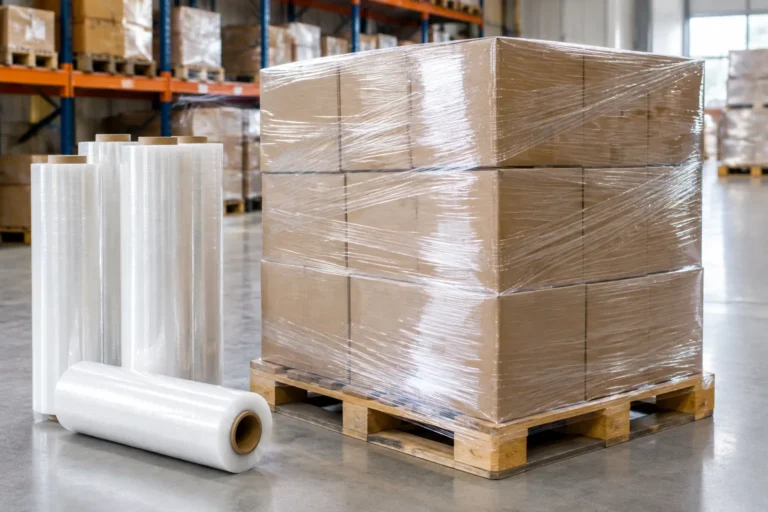
Hand vs machine stretch film is decided by how the roll is consumed: hand film comes in short, light rolls applied with manual tension, while machine film comes in long, heavy rolls built for powered pre-stretch. Hand rolls deliver modest stretch and suit low volumes and irregular pallets. Machine rolls deliver high pre-stretch and suit steady, repeatable output. Choosing the wrong format wastes labour or film every shift. This guide helps buyers decide which format fits their dock, volume and wrapper.
1. What is the difference between hand vs machine stretch film?
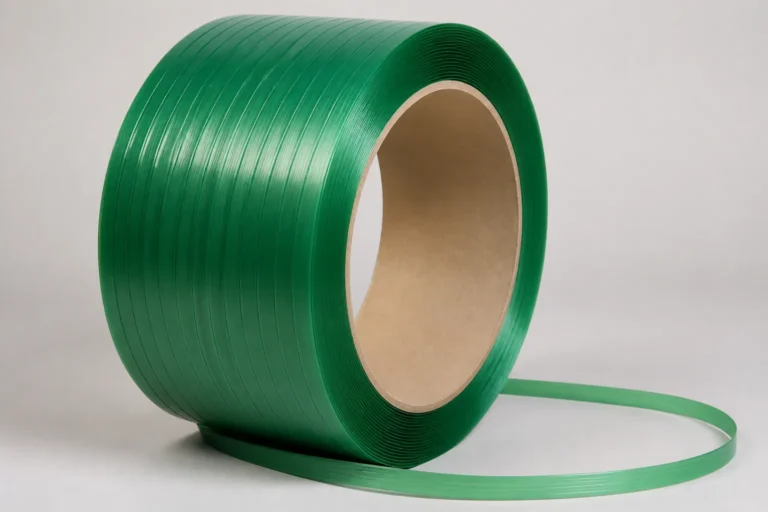
Hand vs machine stretch film differ in roll length, core size, roll weight and how tension is applied. Hand film is wound short with a small core so one person can lift it, and stretch comes from pulling against a brake or dispenser. Machine film is wound long on a larger core and is pre-stretched by the wrapper rollers. Count your pallets per shift before choosing.
| Dimension | Impact | Buyer action / evidence |
|---|---|---|
| Roll length | Roll changes per shift | Pallets per shift count |
| Core size | Fits dispenser or mandrel | Measure the mandrel |
| Tension source | Wrap consistency | Observe wrapping |
2. How does hand vs machine stretch film change labour cost?
Hand vs machine stretch film change the labour equation far more than the film price, because hand wrapping consumes operator minutes on every pallet. A wrapper applies film while the operator builds or labels the next load. At low volume the gap is small; at high volume it dominates the budget. Time twenty pallets with each method before comparing roll prices.
| Dimension | Impact | Buyer action / evidence |
|---|---|---|
| Minutes per pallet | Direct labour cost | Timing study |
| Operator count | Staffing plan | Shift roster |
| Idle time | Wrapper utilisation | Machine log |
3. How much stretch can hand vs machine stretch film achieve?
Hand vs machine stretch film reach very different stretch levels because equipment limits the force a person can apply. Hand film is stretched modestly, since pulling harder causes necking, tears and fatigue. Machine film is pre-stretched between rollers, allowing high elongation with consistent force. Higher stretch means fewer kilos per pallet. Request the force-to-stretch curve for each grade.
| Dimension | Impact | Buyer action / evidence |
|---|---|---|
| Stretch ratio | Film consumed | Force-to-stretch curve |
| Necking | Narrow, weak web | Visual trial inspection |
| Consistency | Wrap-to-wrap variation | Machine settings record |
4. Where does hand vs machine stretch film fit at low volume?
Hand vs machine stretch film choices usually favour hand film below roughly thirty to fifty pallets per shift, especially where pallet sizes vary or floor space is tight. Hand film needs no power, no floor space and no maintenance, and a dispenser improves tension and safety. Many sites keep hand film as a backup after installing a wrapper. Retain one dispenser and a few rolls on the dock.
| Dimension | Impact | Buyer action / evidence |
|---|---|---|
| Volume per shift | Method selection | Pallet count log |
| Pallet variety | Setup time | Size distribution list |
| Floor space | Equipment feasibility | Dock layout drawing |
5. Where does hand vs machine stretch film fit at high volume?
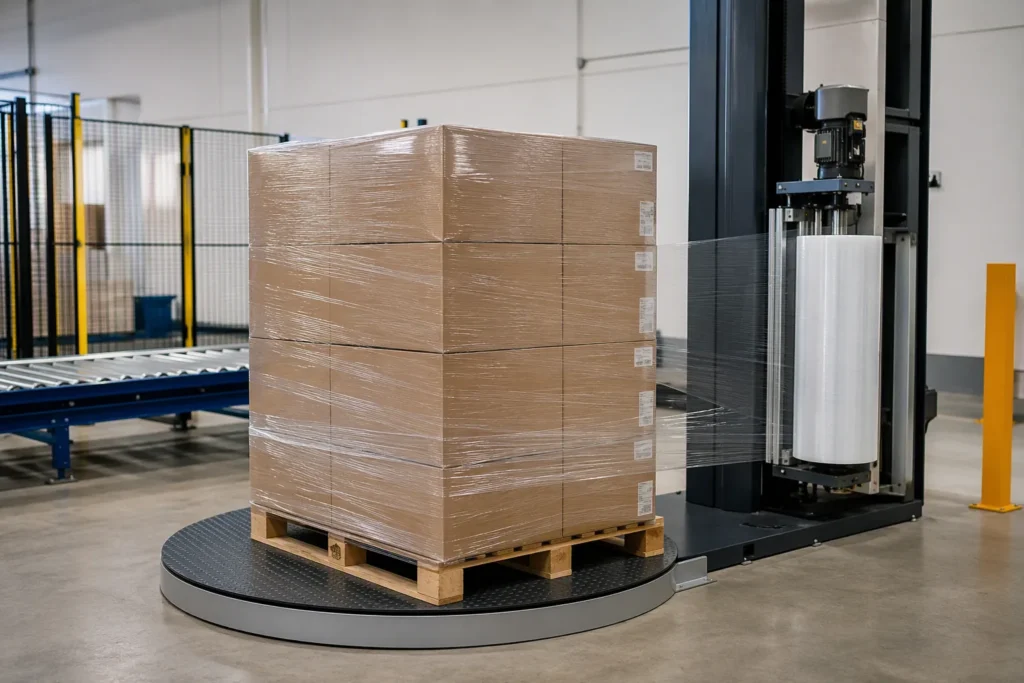
Hand vs machine stretch film decisions reverse above roughly fifty pallets per shift, where a powered wrapper pays back through labour savings and consistent containment. Machines apply the same pattern every cycle, which reduces damage variation and film waste. They also remove the manual handling risk of heavy rolls. Model payback with your own labour rate and volume.
| Dimension | Impact | Buyer action / evidence |
|---|---|---|
| Pallets per hour | Wrapper capacity fit | Throughput requirement |
| Pattern repeatability | Damage consistency | Cycle audit |
| Handling risk | Injury exposure | Manual handling review |
6. Which hand vs machine stretch film gauge should you specify?
Hand vs machine stretch film tolerate different gauges because the tension source differs. Hand film is usually thicker so it survives manual pulling without tearing, while machine film can run thinner because rollers distribute force evenly. That is why a thinner machine film can outperform a thicker hand film. Do not copy a hand gauge onto a machine specification.
| Dimension | Impact | Buyer action / evidence |
|---|---|---|
| Gauge | Tear resistance | Sample trial at gauge |
| Pre-stretch | Effective strength | Wrapper setting range |
| Downgauge risk | Break rate | Break log after change |
7. How should a buyer choose between hand vs machine stretch film?
Buyers should choose between hand vs machine stretch film by measuring volume, pallet consistency and available space, then confirming the labour and film maths. Count pallets per shift, list pallet sizes, check power and floor space, and calculate minutes per pallet for each method. If volume is borderline, start with hand film and a dispenser. Review the decision after one season.
| Dimension | Impact | Buyer action / evidence |
|---|---|---|
| Volume threshold | Method shortlist | Shift data |
| Space and power | Machine feasibility | Site survey notes |
| Total cost | Final choice | Cost comparison sheet |
8. What should a buyer request before ordering hand vs machine stretch film?
Before ordering hand vs machine stretch film, buyers should request roll samples in the intended format, wrapper specifications for machine film and clear data on core size and roll weight. Confirm the core fits your mandrel or dispenser and that roll weight is safe to lift. Ask how gauge is controlled batch to batch, and request RX Packaging hand and machine rolls from the same site. Test one full roll on your own pallets.
| Dimension | Impact | Buyer action / evidence |
|---|---|---|
| Core size | Fits equipment | Measure mandrel |
| Roll weight | Handling safety | Weigh one roll |
| Gauge control | Batch consistency | Quality check record |
Frequently Asked Questions
Q1. Can hand stretch film be used on a machine?
Hand film can run on some machines at low speed and low pre-stretch, but rolls are short and cores may not fit, so roll changes become frequent. Treat it as a temporary fix, not a production setup.
Q2. Is machine stretch film cheaper per pallet?
Machine film usually costs less per pallet because high pre-stretch reduces kilos consumed per load. The saving only appears when volume keeps the wrapper busy.
Q3. What core size does machine stretch film use?
Machine film normally uses a larger core than hand film so it sits on a powered mandrel without collapsing. Confirm the exact diameter against your wrapper before ordering.
Q4. How many pallets can one hand roll wrap?
One hand roll wraps only a small number of pallets compared with a machine roll, which is why roll changes dominate hand wrapping costs. Count your own usage rather than relying on a general figure.
Q5. Does hand vs machine stretch film affect load stability?
Hand vs machine stretch film affect stability through consistency: a machine applies the same force and overlap each cycle, while hand wrapping varies by operator and fatigue. RX Packaging can supply both formats for a direct comparison.