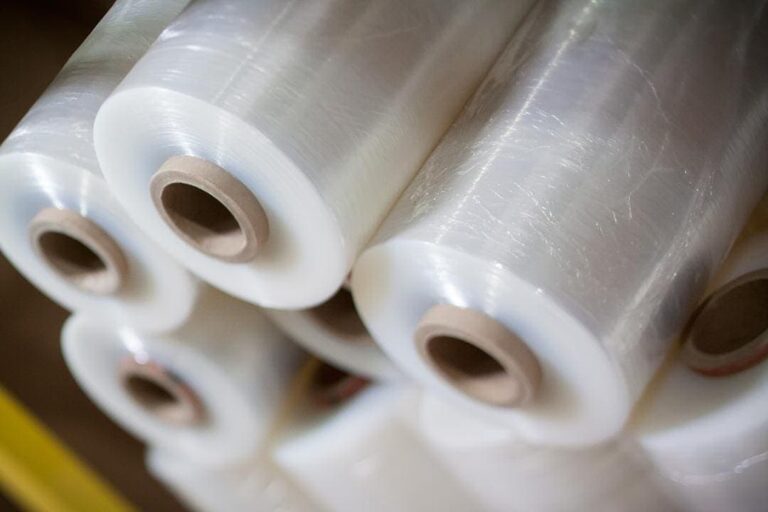

Strapping keeps cartons, pallets, and bundles secure through storage and transit, but there are two very different ways to apply it: by hand with a tensioner, or automatically with a strapping machine. The right choice comes down to how much you strap and how consistent the tension needs to be.
The short answer: if you strap fewer than roughly 20–30 bundles a day, hand strapping is usually the more economical option. Above that volume, machine strapping delivers lower cost per strap and more repeatable tension, which means fewer broken or loose straps.
What Is Plastic Strapping?
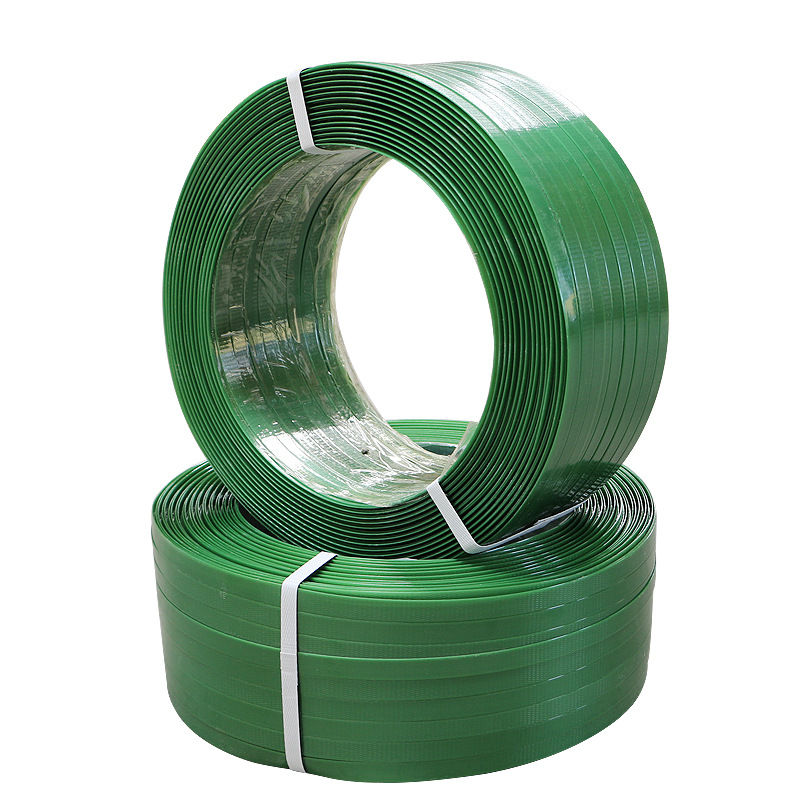
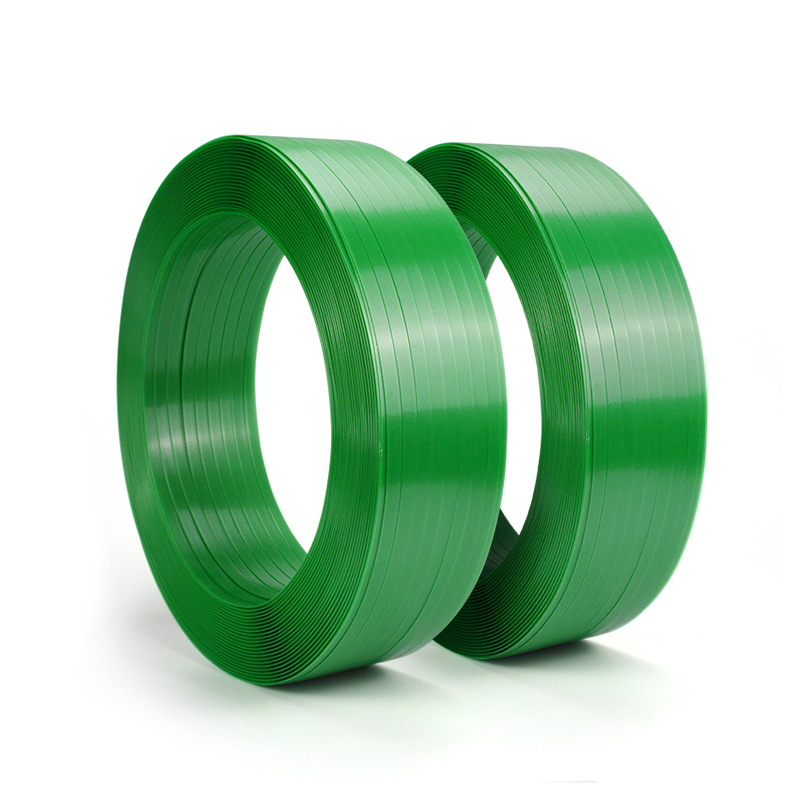
Plastic strapping — also called strapping band or banding — is a flat, high-tension ribbon used to secure cartons, pallets, and bundles during storage and transport. It is applied manually with a tensioner and sealer, or automatically with a strapping machine, then joined with a buckle, heat seal, or friction weld.
RX Packing supplies both PP strapping band and PET strapping, in a range of widths and roll lengths for hand or machine application.
Hand Strapping: Simple, Flexible, Low Setup Cost
Hand strapping is applied with a manual tensioner and a sealer. The operator pulls the strap tight by hand, then seals it. It is the go-to choice for low-to-moderate volume and for loads that vary in size.
When Hand Strapping Makes Sense
- You strap fewer than roughly 20–30 bundles per day
- Loads vary widely, so an operator can adjust tension on the fly
- You want to avoid the capital cost of a strapping machine
- You need to strap in multiple locations without dedicated equipment
Machine Strapping: Fast, Consistent, Lower Cost Per Strap at Volume
Machine strapping uses a semi-automatic or automatic strapping machine to tension and seal the strap at high speed. Because tension is applied consistently by the machine, every strap comes out the same.
When Machine Strapping Makes Sense
- You strap 30 or more bundles per day and labor time is a bottleneck
- You need repeatable tension for heavy or high-value loads
- You want to cut cost per strap at volume
- You are standardizing a high-throughput packaging line
Hand vs Machine Strapping: At a Glance
| Factor | Hand Strapping | Machine Strapping |
|---|---|---|
| Application method | Manual tensioner + sealer | Strapping machine |
| Best for | Low-to-moderate volume | High volume |
| Setup cost | Low | Higher (machine investment) |
| Cost per strap | Higher (labor) | Lower at volume |
| Tension consistency | Operator-dependent | Repeatable |
| Speed | Slower | Faster |
| Typical strap | PP or PET | PP or PET (machine grade) |
How to Choose Between Hand and Machine Strapping
- Count your average daily bundles to strap
- Assess how critical consistent tension is for your loads
- Compare total cost — strap, labor, and equipment
- Check your strap width and material requirements (PP for light loads, PET for heavy)
- Factor in expected volume growth over the next year
Frequently Asked Questions
What is the difference between hand strapping and machine strapping?
Hand strapping is applied manually with a tensioner and sealer, while machine strapping uses a strapping machine to tension and seal automatically. Machine strapping is faster and more consistent, but requires a higher upfront investment.
Is machine strapping worth the investment?
For high-volume operations, yes. Machine strapping lowers labor time and delivers repeatable tension, which reduces loose or broken straps and can pay for itself through higher throughput.
Can I use the same strapping for hand and machine application?
Often yes, but check compatibility. Both PP and PET strapping are available in hand and machine grades, so confirm the width and core size match your tools or machine.
What is the best strapping material for hand tools?
PP strapping is the most common choice for hand tools because it is light, economical, and easy to tension. For heavier loads, PET strapping can also be applied with compatible hand tools.
What is the best strapping material for a strapping machine?
Both PP and PET run well on strapping machines. PP is ideal for light-to-medium loads, while PET is preferred for heavy or long-haul loads that need high tension retention.
Does RX Packing supply strapping for hand and machine use?
Yes. RX Packing supplies PP and PET strapping band in a range of widths and specifications, with support for both hand tools and strapping machines.
Choosing the Right Supplier
Strapping quality has a direct impact on how well your loads arrive, so the supplier matters as much as the strap itself. Look for a manufacturer with consistent quality control and support for custom widths and materials. RX Packing has manufactured packaging consumables since 2007, using virgin polypropylene for its PP strapping, backed by SGS certification and a 12-point inspection process covering tension, corrosion resistance, and elasticity, from its base in Foshan, Guangdong, China.
Need help selecting the right strapping for your operation? Contact RX Packing for a recommendation and quote.