
Packaging Material Test Protocol: What Should a B2B Buyer Check Before Acceptance?
A packaging material test protocol should connect the material to its intended application, approved reference, test question, evidence, and acceptance decision. Before a buyer accepts a sample or releases a new packaging material, the record should show what was tested, how it was observed, which conditions applied, what remains uncertain, and who approved the result. A supplier claim or product-page description can support the discussion, but it should not replace the buyer’s own test record.
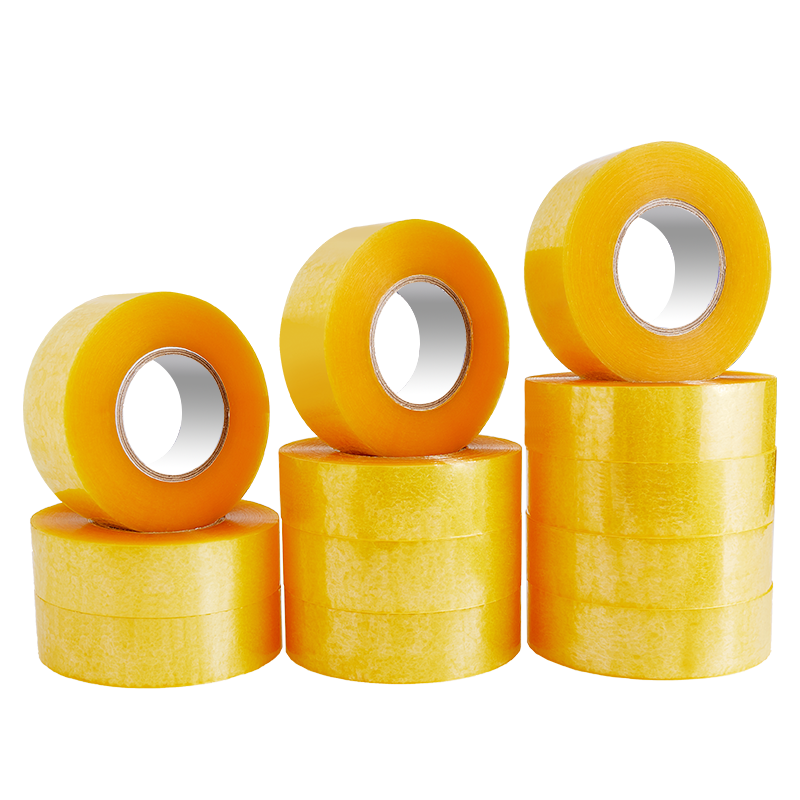
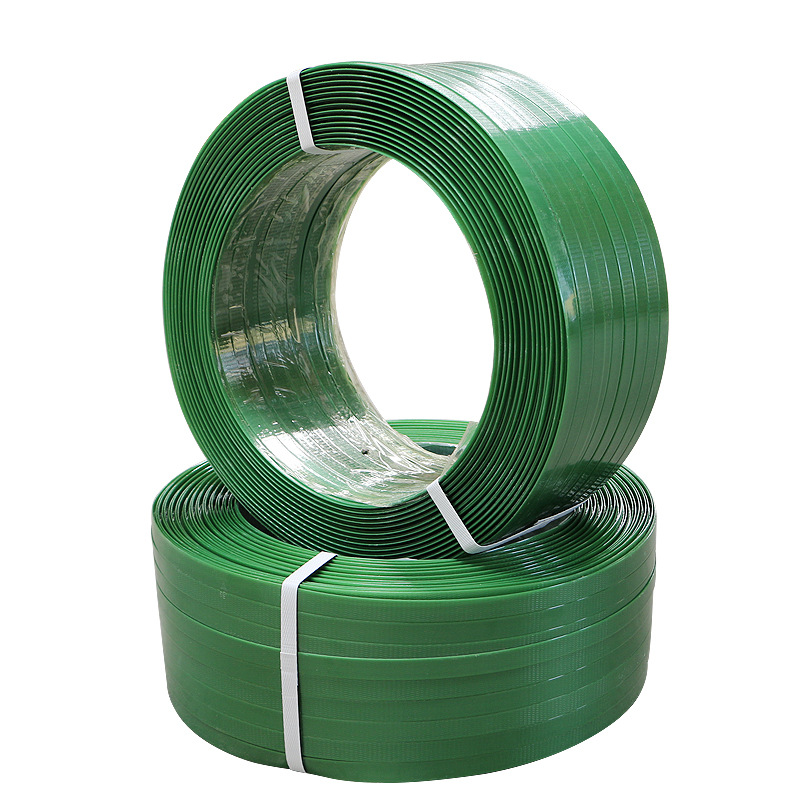
RX Packaging’s current site presents stretch film, sealing tape, PP/PET strapping, and shipping cartons as separate product families. Its service and contact pages also give buyers a route to discuss samples, customization, application, estimated quantity, and destination. This guide turns those verified starting points into a practical test-protocol structure without inventing product specifications, prices, MOQ, delivery promises, or performance results.

What should a packaging material test protocol control?
The protocol should make the acceptance question clear before anyone starts checking the material. It should help purchasing, quality, operations, warehouse staff, and the supplier refer to the same sample and the same intended use.
A useful protocol connects six records:
- the product family and application;
- the approved sample, specification, quotation, or product reference;
- the test question and observation method;
- the conditions under which the material is reviewed;
- the evidence, exceptions, and open questions;
- the acceptance decision and approval owner.
| Protocol element | What it controls | Buyer action |
|---|---|---|
| Application | The job the material must perform | Describe what is sealed, wrapped, bundled, protected, or shipped |
| Reference | The item being tested | Record the sample, specification, quotation line, or product reference |
| Test question | The decision the test must answer | State what fit, handling, appearance, or receiving concern is being checked |
| Observation record | What the buyer actually saw or measured | Separate observations from supplier statements |
| Evidence | Why the decision can be reviewed later | Attach photos, sample identity, test notes, or approved documents |
| Decision | What happens next | Mark accept, hold, retest, request clarification, or reject under the buyer’s process |
Use the current product overview to classify the material family, then write the application in the protocol. The category page helps name the material; it does not establish the exact construction or acceptance result.

How should the buyer define the application and acceptance question?
Start with the packing task, not a generic request for “strong” or “high-quality” material. The application determines what the test should examine and which people need to review the result.
| Application context | Test question to define | Evidence to prepare |
|---|---|---|
| Stretch film for pallet wrapping | Does the sample suit the stated wrapping task and handling context? | Load description, application method, sample identity, observation notes |
| Sealing tape for carton closure | Does the sample suit the stated carton and sealing process? | Carton surface, tool or process context, sample record |
| PP/PET strapping for bundling | Does the sample suit the stated load and joining process? | Load description, application method, joint or handling notes |
| Shipping carton for product containment | Does the carton match the stated product, packing arrangement, and route? | Product description, dimensions, handling context, sample record |
The protocol should state what the test does not establish. A short application check may answer whether the sample can be handled in the stated process. It may not establish long-term storage behavior, every transit condition, or performance outside the tested use.
Keep the application question concise enough that another reviewer can repeat it. If the buyer is still unsure which product family is appropriate, the current contact page asks for product category, application, estimated quantity, destination country, and customization need.
Which sample and reference details belong in the test record?
The test record should identify the exact item under review. Similar-looking rolls, cartons, tape formats, or strapping coils should not be treated as interchangeable because they came from the same supplier.
Record, where available:
- product family and internal item reference;
- supplier name and quotation or inquiry reference;
- sample date, received date, or review date;
- sample description and visible variant;
- approved specification or quotation revision;
- packing and identification details relevant to receiving;
- person who supplied, inspected, and approved the sample.
| Reference field | Why it matters | If it is missing |
|---|---|---|
| Product family | Prevents the wrong material from entering the record | Ask whether the item is film, tape, strapping, or carton |
| Sample identity | Connects the observations to one physical item | Hold the test until the sample can be identified |
| Approved reference | Gives the reviewer a comparison basis | Mark the reference as pending rather than guessing |
| Application | Shows why the sample was tested | Request the packing task and operating context |
| Revision or date | Prevents an old record being treated as current | Record the uncertainty and assign an owner |
The packaging material specification sheet guide explains how buyers can turn a general request into a supplier-review document. The sample validation guide covers the narrower question of reviewing a sample before production. Link those records when they apply, but keep the test protocol as the acceptance record for the specific test.

How should the test method separate observation from supplier claim?
Write the test method so a reviewer can tell what the buyer did, what the buyer observed, and what the supplier stated. These are different evidence types.
A protocol can include:
- Test purpose: the acceptance question in one sentence.
- Sample and reference: the exact item and comparison basis.
- Application setup: the product, load, carton, tool, equipment, or handling context used for the review.
- Observation fields: visible condition, handling result, fit, damage, mismatch, or other defined observation.
- Decision rule: what qualifies as acceptable, pending, retest, or hold under the buyer’s own process.
- Reviewer and date: who recorded the result and when.
Do not convert a supplier description into a buyer test result. For example, a supplier may describe a material characteristic, while the buyer’s record should state whether the supplied sample was reviewed against the stated application and what was observed. If a value, method, or condition was not provided, label it as a question.
RX Packaging’s Services page describes OEM/ODM, sample service, custom packaging service, and technical or commercial assistance. Those statements support a conversation about the appropriate sample or clarification; they do not create a product-specific test result.
What evidence should be attached before acceptance?
Acceptance should be reviewable after the sample leaves the test bench. Attach only evidence that belongs to the tested item and application.
| Evidence type | What it can support | What the buyer should record |
|---|---|---|
| Sample photo | Visible identity or condition at the time of review | Sample reference, date, and what the photo shows |
| Application note | The use context for the test | Product or load, packing step, tool, and handling context |
| Observation sheet | The reviewer’s defined findings | Test step, observation, exception, and reviewer |
| Supplier document | The supplier’s stated reference or explanation | Document title, revision or date, and applicable item |
| Receiving or inspection record | A defined check at receipt or review | Check performed, result, and stock or approval status |
Do not attach a generic document and present it as proof for every product. If the evidence applies only to stretch film or strapping, keep its scope limited. If it applies only to one tape, carton, sample, or order reference, record that boundary.
The current quality inspection checklist can support the inspection portion of the workflow. It does not replace an application-specific test protocol or the final acceptance decision.

How should exceptions, retests, and changes be recorded?
An exception should remain visible from the first observation to the final decision. Do not overwrite a failed or incomplete result with a later conclusion that has no link to the original sample or test question.
Use a simple status structure:
| Status | Meaning | Next action |
|---|---|---|
| Accepted | The defined test question is answered under the recorded conditions | Link the result to the approval or order record |
| Accepted with condition | The buyer accepts within a stated boundary | Record the condition and owner for follow-up |
| Retest required | The result is incomplete, inconsistent, or affected by the setup | Define the missing condition and repeat the relevant step |
| Clarification pending | A supplier document, identity, or answer is missing | Send a written question and hold the decision |
| Rejected | The material does not meet the buyer’s defined acceptance rule | Record the evidence and disposition under the buyer’s process |
If the material, packing format, label, production arrangement, or approval basis changes, start a new review or link the change to the existing record. The packaging material change notification checklist provides a related structure for recording an affected item, evidence, effective point, and approval status.
When a test reveals a receiving problem, keep the test record with the packaging material nonconformance report. The test protocol explains what was checked; the nonconformance record controls the problem and disposition.
What should the final acceptance decision contain?
The final decision should be short, traceable, and limited to the question the protocol was designed to answer. It should identify the item, application, evidence, reviewer, status, and next control.
Before acceptance, confirm:
- the product family and application are identified;
- the sample or reference is traceable;
- the test question and conditions are written;
- observations are separated from supplier claims;
- evidence is attached and within scope;
- exceptions, retests, or open questions are visible;
- the decision owner has approved the status;
- the result is linked to the next purchasing, production, or receiving step.
Use the result with the contact route when a supplier clarification or sample discussion remains open. Do not use an “accepted” label to hide missing specification, quantity, MOQ, lead time, price, certification scope, or performance information.

Packaging material test protocol FAQ
What is a packaging material test protocol?
It is a controlled record that defines the application, sample or reference, test question, observation method, evidence, exceptions, and acceptance decision for a packaging material.
Is a sample approval the same as a test protocol?
No. A sample approval may be the outcome of a review. A test protocol explains what the buyer intended to check, how the review was performed, and why the decision was reached.
Should the protocol include product specifications?
It should reference the current specification or approved document when one exists. If a value is missing, record it as a supplier question rather than inventing a number.
Can one protocol cover stretch film, tape, strapping, and cartons?
A common template can cover all four product families, but each test record should keep its own product identity, application, reference, observations, and acceptance decision.
What should happen when a test result is unclear?
Mark the result as retest required or clarification pending. Record what prevented a decision, who owns the next action, and which sample or condition must be reviewed again.
Should supplier claims be copied into the acceptance result?
Supplier claims can be attached as supporting evidence with their scope and source. The acceptance result should describe the buyer’s own defined observation and decision.
When should a test be repeated?
Repeat the relevant test when the application, sample identity, approved reference, packing format, equipment context, or supplier-proposed change affects the original acceptance question.
How can a buyer discuss a test protocol with RX Packaging?
Use the current RX Packaging contact page to state the product category, application, estimated quantity, destination country, and customization need. Ask the supplier to confirm which sample and reference should support the next test step.
Final buyer takeaway
A packaging material test protocol is ready for acceptance when another reviewer can identify the sample, application, test question, evidence, exceptions, and approval decision without guessing. Keep the protocol connected to the specification, sample, inspection, nonconformance, and purchasing records it supports. RX Packaging’s current product, service, and contact pages can start the supplier discussion; the buyer and supplier still need to confirm the specific test conditions and final decision in writing.