

A packaging material nonconformance report should turn a suspected receiving problem into a controlled decision. Record the approved reference, affected lot, observed evidence, containment status, supplier response, and final disposition. Do not guess the root cause, fill in missing specifications, or treat a supplier explanation as corrective action until the evidence is recorded.
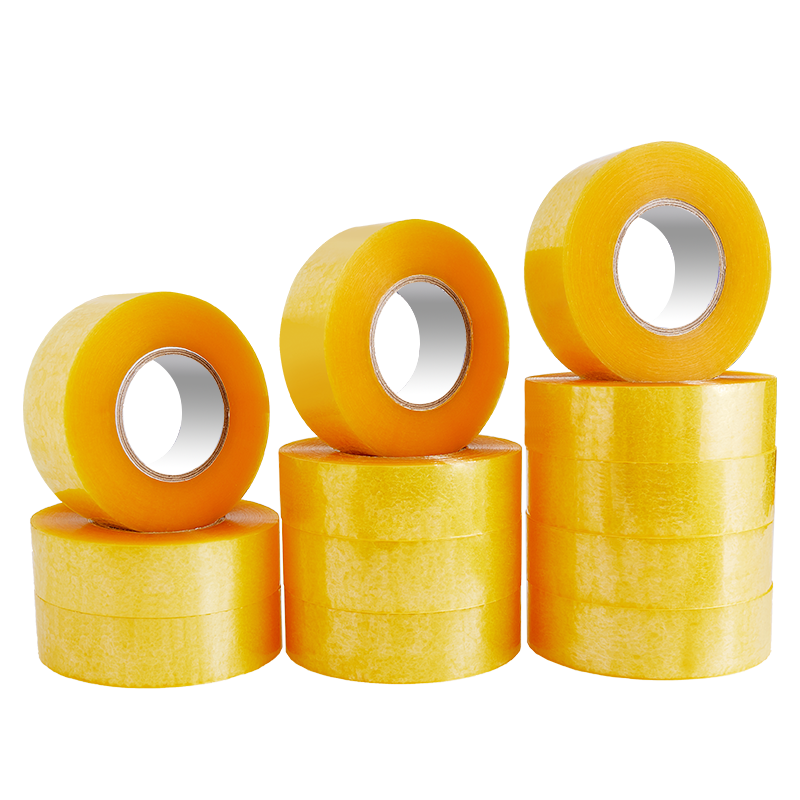
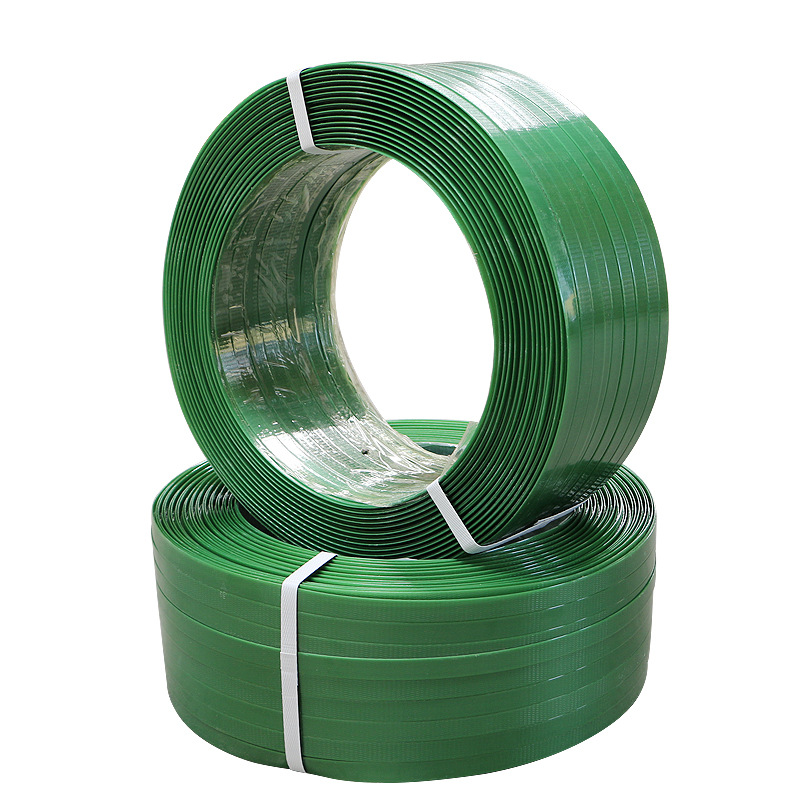
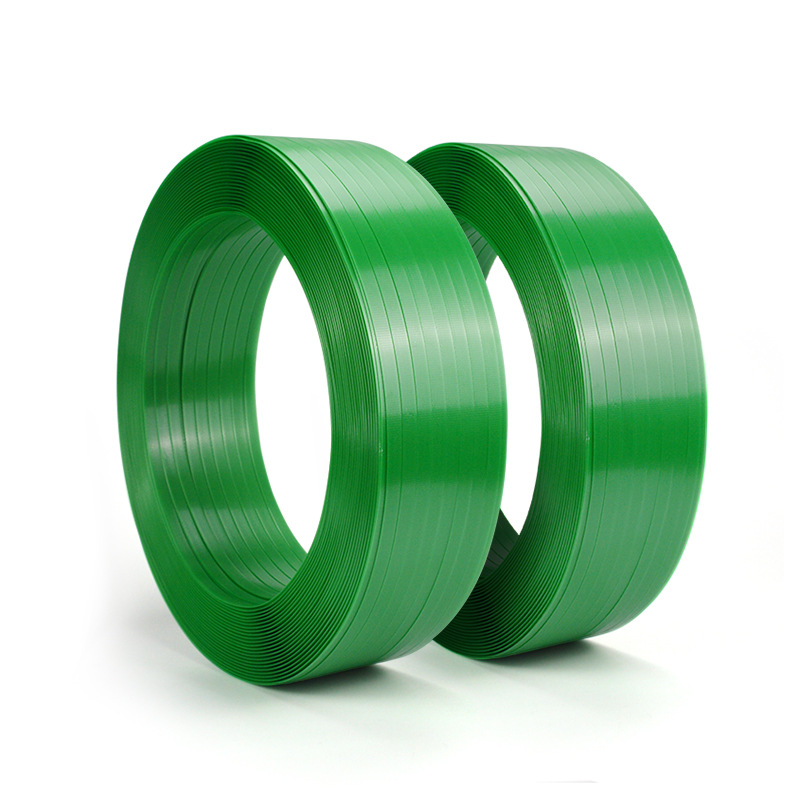
This workflow applies to packaging materials such as stretch film, sealing tape, PP or PET strapping, and shipping cartons. RX Packaging’s current site presents these as separate product families, so a buyer can identify the material family first and then document the specific receiving issue before asking for supplier action.
What should a packaging material nonconformance report control?
The report should answer six questions:
- What material was received?
- Which purchase order, sample, specification, or approved reference applies?
- What was observed, and how was it checked?
- What stock has been contained?
- What decision is being requested from the supplier?
- What evidence closes the issue?
A useful NCR is a record of evidence and decisions, not a rewritten product description. Keep the document narrow enough that purchasing, quality, warehouse, and the supplier can work from the same version.
| NCR section | Buyer records | Why it matters |
|---|---|---|
| Material identity | Product family, internal item code, supplier reference, and purchase-order reference | Prevents the issue being linked to the wrong material |
| Receipt identity | Delivery date, receiving location, package or lot reference, and quantity received | Defines the affected receipt without assuming the whole supply is affected |
| Observation | Visible condition, measurement or check performed, sample reference, and attached evidence | Separates what was seen from what is suspected |
| Containment | Stock location, hold status, segregated quantity, and responsible owner | Prevents unreviewed material from moving into production or dispatch |
| Supplier action | Requested response, evidence needed, owner, and due date | Makes follow-up specific instead of conversational |
| Disposition | Accept, rework, return, replace, or other approved decision | Creates a traceable close-out decision |
What evidence should a buyer record before contacting the supplier?
Start with the receiving record and the material itself. A supplier can review a problem faster when the message contains a precise observation rather than a general statement such as “the quality is poor.”
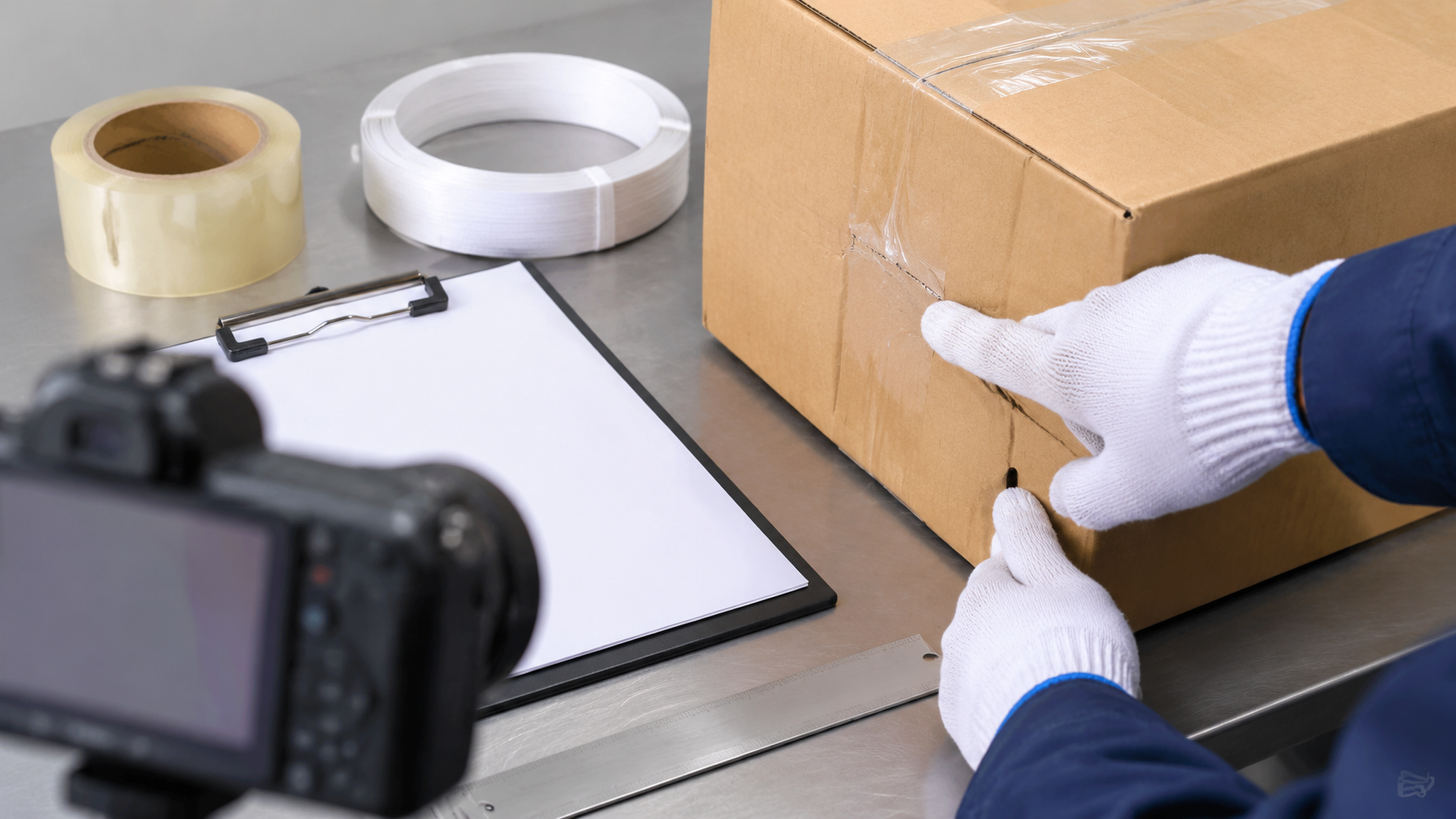
Identify the material and affected lot
Use the documents and labels already available to your team. Record the product family, purchase-order number, supplier reference, delivery date, receiving location, package or lot identifier, and the quantity placed on hold. If any field is missing, mark it as missing and request confirmation. Do not invent a lot number or infer that every shipment from the supplier is affected.
The evidence should connect to the relevant approved reference. For a packaging material sample or specification, keep the current document with the NCR rather than copying a value into the report without its source. RX Packaging’s packaging material specification sheet guide explains why a buyer should give a supplier a defined, reviewable reference before production or replenishment.
Describe the observed deviation without guessing the cause
Write what the receiving or quality team observed, how it was observed, and which sample or package was checked. Examples of useful wording include:
- “The received roll does not match the approved reference shown on the purchase documents.”
- “The carton was received with visible damage at the closure area.”
- “The tape sample did not hold under the buyer’s stated check conditions.”
- “The strapping sample was placed on hold pending supplier review.”
Only use a measurement when the method, instrument, unit, and reference are recorded. If the check has not been completed, say that the result is pending. The packaging material quality inspection checklist can support the inspection record, but the NCR should focus on the deviation and the decision that follows it.
How should purchasing contain a suspected packaging-material problem?
Containment protects the operation while the evidence is reviewed. It does not prove that the material is defective or that the supplier caused the problem.

Use a simple containment sequence:
- Mark the affected stock as on hold in the buyer’s own system.
- Separate it physically from released stock where practical.
- Tell the people who could issue, convert, or ship the material.
- Record the quantity and location that were actually contained.
- Preserve samples, packaging, photos, and receiving documents.
- Decide whether an urgent controlled use is permitted by the buyer’s quality owner.
Do not release held stock because a replacement is expected, and do not reject the entire delivery when the evidence only identifies a portion. The record should state the scope that has been confirmed and leave the unresolved scope open for review.
What should a supplier corrective-action request ask for?
A corrective-action request should give the supplier a clear question and a clear response package. “Please improve quality” is too broad to close an NCR.

Ask the supplier to address:
- acknowledgement of the material and affected receipt;
- confirmation of the supplier’s investigation owner;
- the supplier’s description of the observed issue;
- containment taken at the supplier, if applicable;
- the proposed root-cause method and evidence;
- the corrective action for the affected material;
- the check that will confirm the action worked;
- any change to material, process, packing, label, or inspection;
- the documents or samples the buyer should review before closure.
Keep “correction” and “corrective action” separate. A replacement or credit may correct the immediate supply problem, but it does not explain how the supplier will prevent a repeat. If the supplier proposes a material or process change, route it through the buyer’s change-control process. RX Packaging’s packaging material change notification checklist covers the information a buyer should review when a supplier proposes a change.
How do you decide whether to accept, hold, rework, or reject the material?
Disposition belongs to the buyer’s approved quality or operational owner. The NCR should show the evidence and decision authority, not present an automatic answer for every material or application.
| Disposition | Use when the record supports it | Evidence to retain |
|---|---|---|
| Accept | The material meets the approved reference or an authorised deviation has been approved | Approval, scope, and supporting check |
| Hold | The evidence or supplier response is incomplete | Hold location, owner, open questions, and next review date |
| Rework or sort | A controlled action can separate or correct the affected stock and the buyer has approved the method | Work instruction, quantity checked, and post-action result |
| Return or replace | The material cannot be released under the approved reference or authorised deviation | Supplier agreement, affected quantity, and shipping or replacement record |
| Escalate | The issue affects safety, production continuity, customer commitments, or repeated supply performance | Escalation owner, risk statement, and decision log |
Never use a disposition category to hide missing evidence. If the buyer cannot identify the approved reference, affected scope, or check result, keep the record open and state what must be confirmed.
How should the buyer close the NCR and prevent a repeat?
Close the report only when the decision, evidence, and ownership are complete. A practical close-out review checks:
- the affected material and scope are identified;
- the containment action is recorded;
- the supplier response is attached or the reason for no response is documented;
- the disposition is approved by the right owner;
- replacement, return, rework, or release records are linked;
- any approved change is routed through change notification;
- the next receipt will be checked against the revised reference;
- the final record has a date, owner, and status.
Use the lot traceability receiving checklist when the issue needs to connect incoming stock with later handling or shipment records. If the buyer needs a supplier to review stretch film, sealing tape, PP/PET strapping, or shipping cartons, the RX Packaging contact page asks for the product category, application, estimated quantity, destination country, and customization status. Provide those details only when they are known.
Frequently Asked Questions
Is a packaging material nonconformance report the same as an inspection checklist?
No. An inspection checklist records the checks performed. An NCR records a confirmed or suspected deviation, its containment, the requested supplier response, and the final disposition. The two documents can be linked.
Should a buyer reject a full shipment when one package fails inspection?
Not automatically. Record the affected package, lot, or quantity that the evidence supports. Keep the remaining scope under the buyer’s approved review process until it is released or placed on hold.
What if the supplier has not provided a lot number?
Record the missing information as an open field and use the available purchase-order, delivery, package, and receiving references. Ask the supplier to confirm the missing identifier rather than creating one.
Can a replacement close the NCR?
A replacement can address the immediate disposition, but it may not close the corrective-action portion. The buyer should record whether the supplier investigated the issue and what evidence supports prevention of a repeat.
Should the NCR include a suspected root cause?
It may include a hypothesis clearly marked as unconfirmed, but the observation and the hypothesis should remain separate. Do not present an unverified cause as a fact.
When should a supplier change notification be linked?
Link it when the proposed corrective action changes the material, process, packing, label, inspection method, or another approved reference. The buyer should review and approve the change before treating the new version as equivalent.
What should a buyer do when the issue affects production urgently?
Contain the material, identify the decision owner, and record the operational risk. Any controlled use, deviation, or emergency release should be documented with its scope and approval instead of being handled only through an informal message.
Can RX Packaging review an NCR before a buyer places a new order?
RX Packaging’s contact form asks buyers to provide the product category, application, estimated quantity, destination country, and customization status. A buyer can use those fields to describe the requirement and request the supplier’s review; commercial and technical terms should be confirmed in writing for the specific application.