
A strong packaging materials RFQ should describe the product application, load or carton requirements, estimated quantity, destination, and any sample or customization needs. The more clearly a buyer explains the packaging task, the easier it is for a B2B supplier to recommend the right stretch film, sealing tape, strapping band, or shipping carton. A complete RFQ reduces back-and-forth questions and creates a clearer path to specification confirmation.
This guide shows procurement teams how to prepare a practical packaging materials RFQ without relying on invented specifications, public prices, or unsupported performance claims.
What Should a Packaging Materials RFQ Include?
A packaging RFQ should give the supplier enough information to understand what must be packed, how it will be handled, and what the buyer expects next. The request does not need to be complicated, but it should be structured.
Which facts should appear at the top of the RFQ?
Start with the product category and the purpose of the inquiry. State whether the request concerns stretch film, sealing tape, PP/PET strapping band, shipping cartons, or a combination of packaging materials.
Include these basic fields:
- Product category or categories
- Packaging application
- Estimated order quantity
- Destination country
- Expected purchasing timeline
- Sample, customization, or documentation requirements
How Do You Describe the Packaging Application?
Describe the job the material must perform rather than using only a product name. A supplier needs to understand whether the material is used for pallet wrapping, box sealing, load bundling, export preparation, warehouse handling, or another application.
What makes an application description useful?
A useful description explains the product being packed, the packaging step, and what happens after packing. Avoid vague requests such as “send your best packaging material” when the actual application can be explained in a few lines.
| RFQ detail | Weak description | More useful description |
|---|---|---|
| Product | Stretch film | Film for stabilizing palletized goods during handling |
| Tape | Packing tape | Tape for sealing cartons in a warehouse or shipping process |
| Strapping | Plastic band | PP or PET band for bundling or securing a load |
| Carton | Box | Shipping carton matched to the product and handling conditions |
The goal is not to write a technical specification before speaking with a supplier. The goal is to provide enough context for the supplier to ask the right follow-up questions.
What Load Information Should You Share for Stretch Film or Strapping?
Share the load shape, handling conditions, and any visible risks that could affect the packaging decision. This is especially important when the load is heavy, irregular, sharp-edged, mixed, or exposed to demanding handling conditions.
Which load questions should buyers answer?
Use a short load profile instead of relying on a product label alone:
- What is the approximate load or pallet shape?
- Are the cartons uniform, mixed, oversized, or irregular?
- Are there sharp corners or protruding items?
- How will the load be handled after packing?
- Will the load be stored, exported, or moved through a warehouse?
- Is the packaging applied by hand or with equipment?
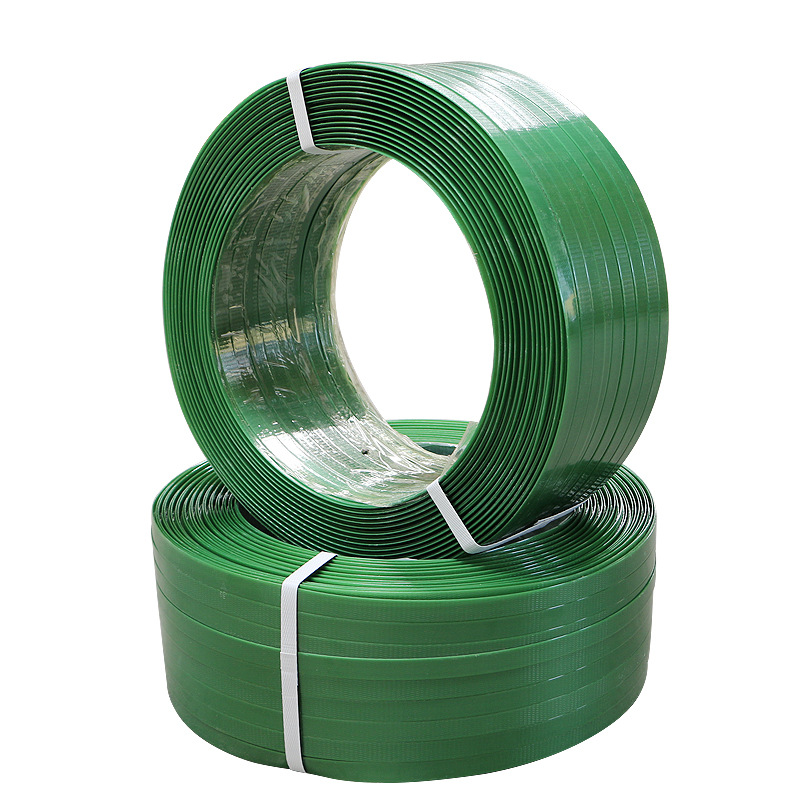
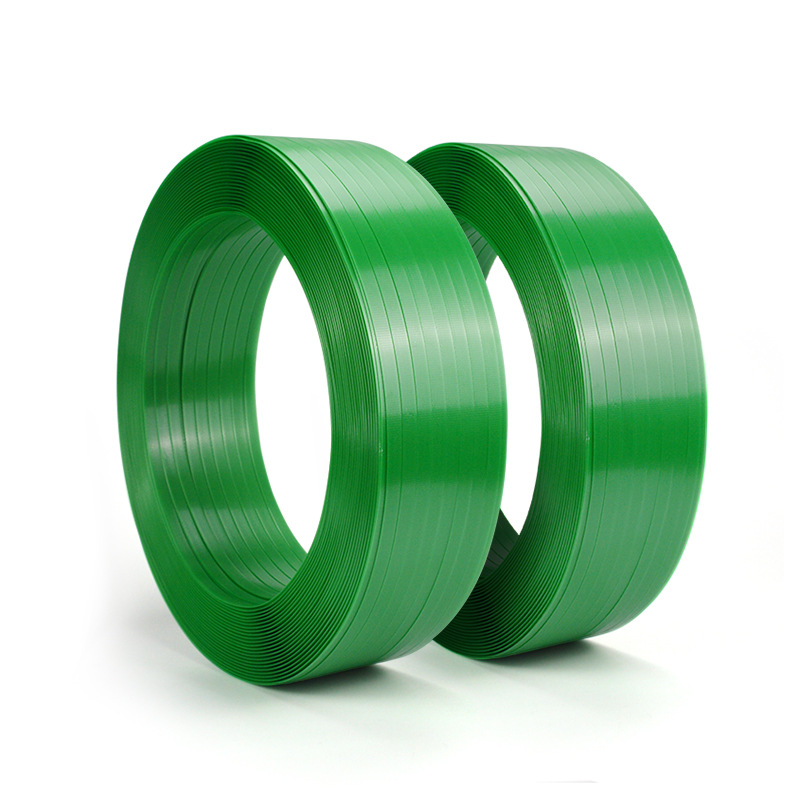
For stretch film, explain whether the wrapping is manual or machine-based. For strapping band, explain whether the band is applied by hand or with a machine and whether the material is used for bundling, pallet unitizing, or another task.
What Carton Information Belongs in a Shipping Carton RFQ?
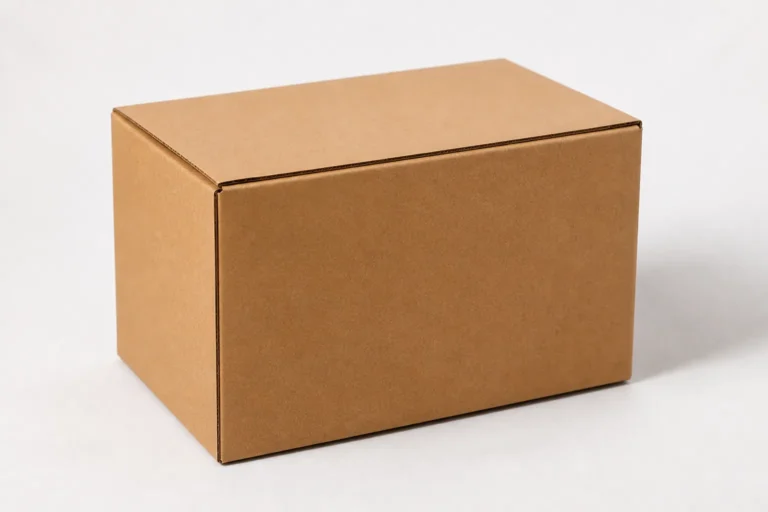
A carton RFQ should explain the product dimensions, packing arrangement, handling environment, and required quantity. The supplier can then discuss carton options without guessing what the box must hold.
Which carton questions matter before requesting a recommendation?
Include the following information where available:
- Product dimensions and approximate product weight
- Number of units packed in each carton
- Whether inner packaging or cushioning is used
- Stacking, warehouse, or transport conditions
- Destination country and shipping method
- Required carton printing or customization
A carton should be evaluated as part of the complete packing process. Buyers can also explain whether the carton will be paired with sealing tape, stretch film, or strapping band.
How Should You Describe a Sealing Tape Requirement?
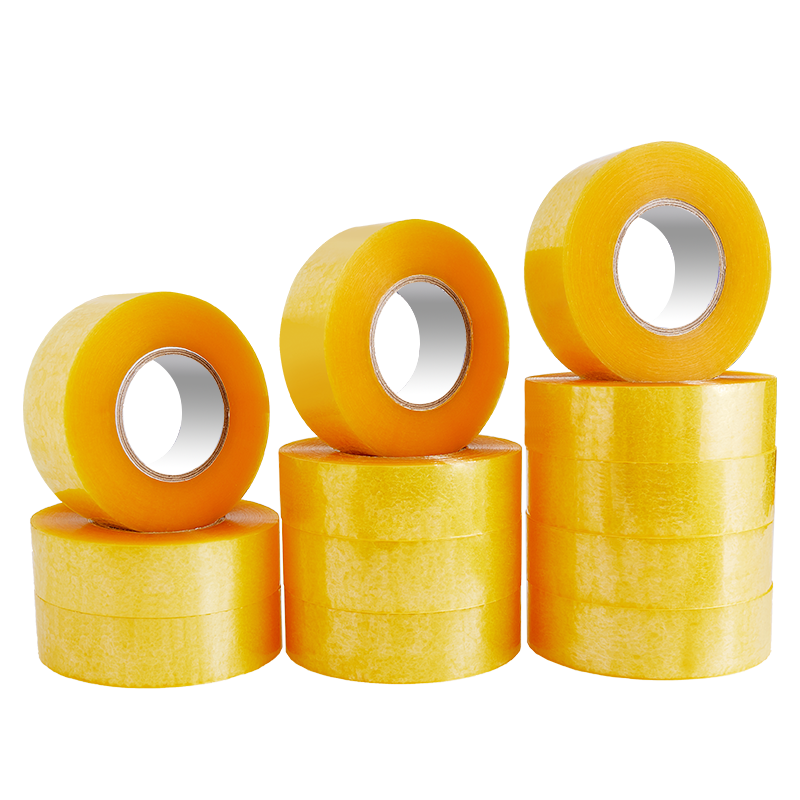
Describe the carton, sealing method, and working environment. A tape supplier needs to know whether the tape is used for routine carton sealing, warehouse packing, cross-border shipping, cold conditions, or another application.
What should a tape buyer avoid assuming?
Do not assume that one tape type is automatically suitable for every carton, surface, storage condition, or application method. State the intended use and ask the supplier to confirm the appropriate product direction.
Add these details to the RFQ:
- Carton material and surface condition
- Manual or automated taping method
- Storage and transport environment
- Required tape appearance or printing needs
- Sample or adhesion-review requirements
RX Packaging supplies polypropylene-based sealing tape and other packaging consumables. Buyers can review the sealing tape product category and include the actual carton and application details in the RFQ.
Which Quality and Manufacturing Questions Should You Ask?
Ask the supplier how the relevant product is checked and which quality factors apply to the packaging task. This makes the RFQ more useful than a request based only on a product name or a target price.
What quality information can be included without overclaiming?
A buyer can ask for the supplier’s quality process, product documentation, sample procedure, and pre-order specification confirmation. RX Packaging states that it is SGS-certified and uses a 12-point quality inspection covering tension, corrosion resistance, and elasticity for applicable packaging products such as stretch film and strapping band.
Useful quality questions include:
- Which quality checks apply to the requested product?
- How is the sample reviewed before a larger order?
- Which product details must be confirmed before production?
- What information should appear on the final order specification?
RX Packaging has supplied packaging consumables from Foshan, China since 2007. Buyers can use the company’s packaging products as a starting point and ask for an application-specific review.
How Do You Request Samples or Customization?
State the sample and customization request clearly in the first RFQ. Examples include a request to review a product sample, confirm an application plan, discuss printed tape, or evaluate a carton format.
What should a sample request contain?
A practical sample request should identify the product, intended application, destination, and decision criteria. If the buyer has photos, drawings, or existing packaging information, those materials can be referenced in the inquiry.
Write down:
- Product category and application
- Sample quantity or sample-plan expectation
- Destination country
- Customization or printing requirements
- Internal approval criteria
- Target timing for review and next steps
Avoid promising a result before the product and application have been reviewed. The purpose of the sample stage is to confirm whether the product direction fits the buyer’s needs.
Should You Request a Price Before Confirming Specifications?
A buyer may request a quotation, but the RFQ should provide enough information for the supplier to understand what is being quoted. Packaging prices depend on the product category, confirmed specification, quantity, customization, and destination details.
What makes a quotation request easier to compare?
Use the same information for each supplier and ask each supplier to identify the product basis of the quotation. This prevents buyers from comparing different materials or incomplete specifications as if they were identical.
| Comparison item | What the buyer should state |
|---|---|
| Product | Stretch film, sealing tape, strapping band, carton, or combination |
| Application | What the material must do |
| Quantity | Estimated order quantity and purchasing frequency |
| Destination | Country and relevant delivery information |
| Customization | Printing, color, carton format, or other request |
| Next step | Sample review, specification confirmation, or quotation review |
A clear RFQ is more valuable than a vague request for the lowest price because it creates a fairer product comparison.
What Does a Complete Packaging RFQ Template Look Like?
Use the following structure as a starting template for a B2B inquiry:
Subject: Packaging Materials RFQ for [Application]
1. Buyer and destination
- Company and contact details
- Destination country
- Intended purchasing timeline
2. Product request
- Product category
- Application and packing process
- Estimated quantity
- Required customization or documentation
3. Load or carton information
- Product or load description
- Dimensions and weight where available
- Handling and storage conditions
- Photos, drawings, or existing packaging details
4. Supplier response requested
- Recommended product direction
- Questions requiring buyer confirmation
- Sample or application-review plan
- Quotation basis and next steps
This format gives a supplier a clear starting point while leaving room for the supplier to request information that is specific to the product.
How Can RX Packaging Support a Packaging Materials Inquiry?
RX Packaging is a packaging consumables manufacturer based in Foshan, China, established in 2007. Its product range includes stretch film, sealing tape, PP/PET strapping band, and shipping cartons.
Buyers can start with the stretch film category, strapping band category, or shipping carton category and then send the application details needed for a recommendation. The company’s SGS certification and stated 12-point inspection process can also be included in the supplier-evaluation questions where relevant.
For a direct inquiry, use the RX Packaging contact page and include the product category, application, quantity, destination, and sample or customization requirements.
FAQ: Preparing a Packaging Materials RFQ
What is the most important part of a packaging RFQ?
The application is the most important starting point. Explain what must be packed, how the material will be applied, and what handling or transport conditions the packaging must support.
Should I include the final specification in the first RFQ?
Include the information you have, but do not invent missing specifications. A good RFQ identifies the application and asks the supplier which additional details must be confirmed.
Can one RFQ cover stretch film, tape, strapping, and cartons?
Yes. State each product category separately and explain how the materials work together in the packing process. This helps the supplier review the complete packaging requirement.
What should I send if I do not know the correct material?
Send the application, load or carton details, handling conditions, estimated quantity, destination, and photos or drawings where available. The supplier can use this information to recommend a product direction.
Should a B2B buyer ask for samples?
A sample or sample plan can be useful when the buyer needs to review an application before a larger order. Include the sample request and decision criteria in the first inquiry.
What quality questions should I ask a packaging supplier?
Ask which quality checks apply to the product, how samples are reviewed, which specification details must be confirmed, and what documentation is available for the order.
Does RX Packaging support application-based inquiries?
RX Packaging invites buyers to provide product category, application, estimated quantity, destination country, and customization requirements so the inquiry can be reviewed more clearly.
Final Packaging RFQ Checklist
Before sending the RFQ, confirm that it includes:
- [ ] Product category and application
- [ ] Load, carton, or surface information
- [ ] Manual or machine application method
- [ ] Estimated quantity and destination country
- [ ] Customization, sample, or documentation requirements
- [ ] Quality and specification questions
- [ ] Requested next step
A packaging materials RFQ works best when it gives the supplier a clear view of the application without pretending that unknown specifications are already confirmed. Describe the job, provide the available facts, request the missing information, and agree on the specification before moving to a larger order.