PP strapping and steel strapping secure loads in different ways, so the better material depends on the load, the handling environment, and the application method. For many general packaging and pallet-unitizing applications, PP strapping is the practical starting point because it is a plastic band that is easier to handle and can be matched to hand or machine application. Steel strapping may be considered when the load and operating conditions specifically require a metal band. Buyers should compare the actual load and joining method before selecting a long-term specification.
This guide gives procurement teams a clear way to compare PP strapping and steel strapping for heavy loads without choosing by material name alone.
What Is the Difference Between PP Strapping and Steel Strapping?
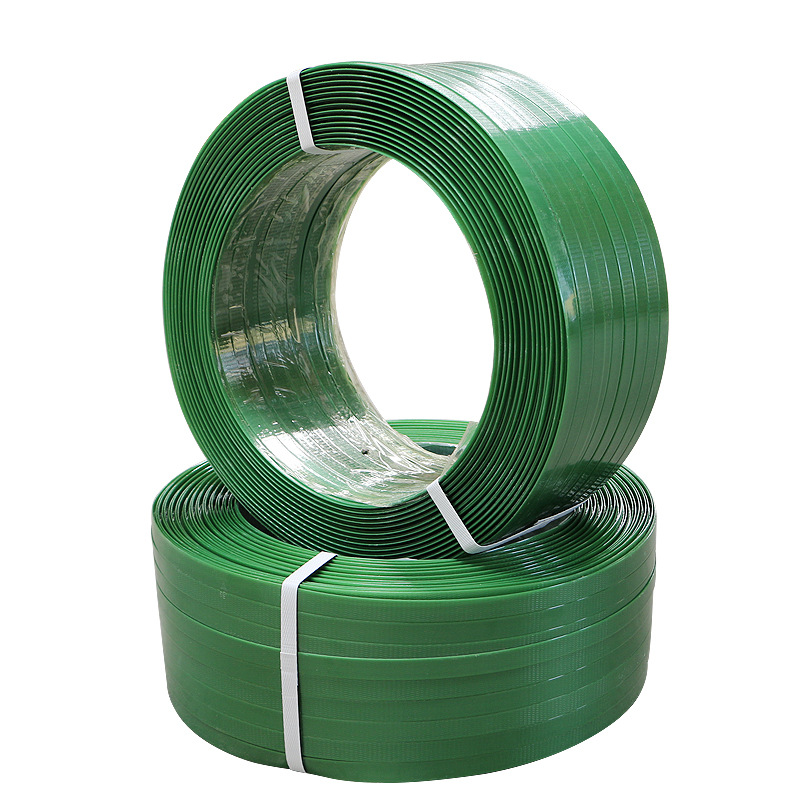
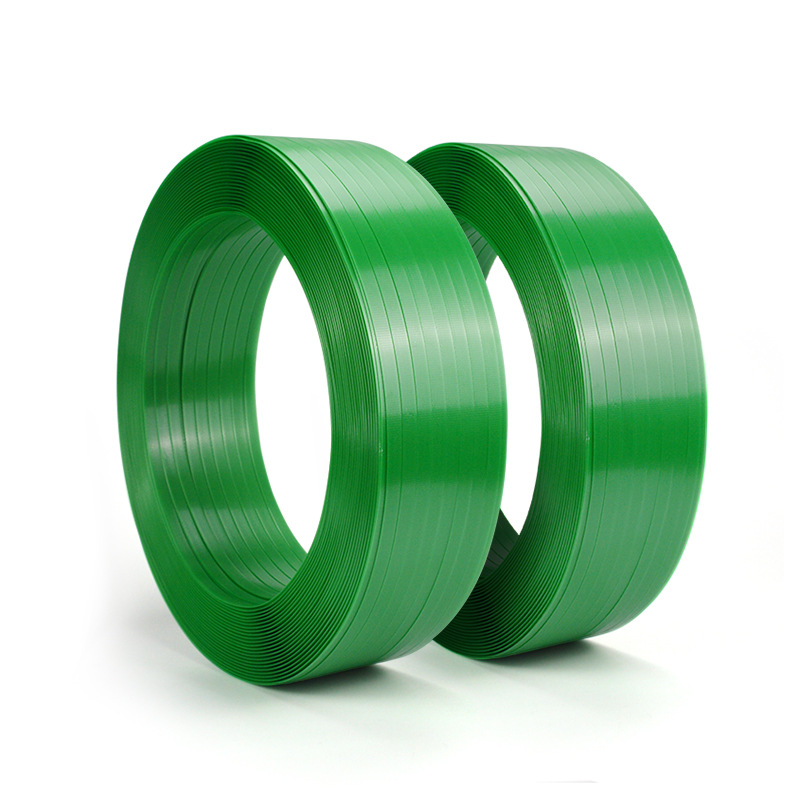
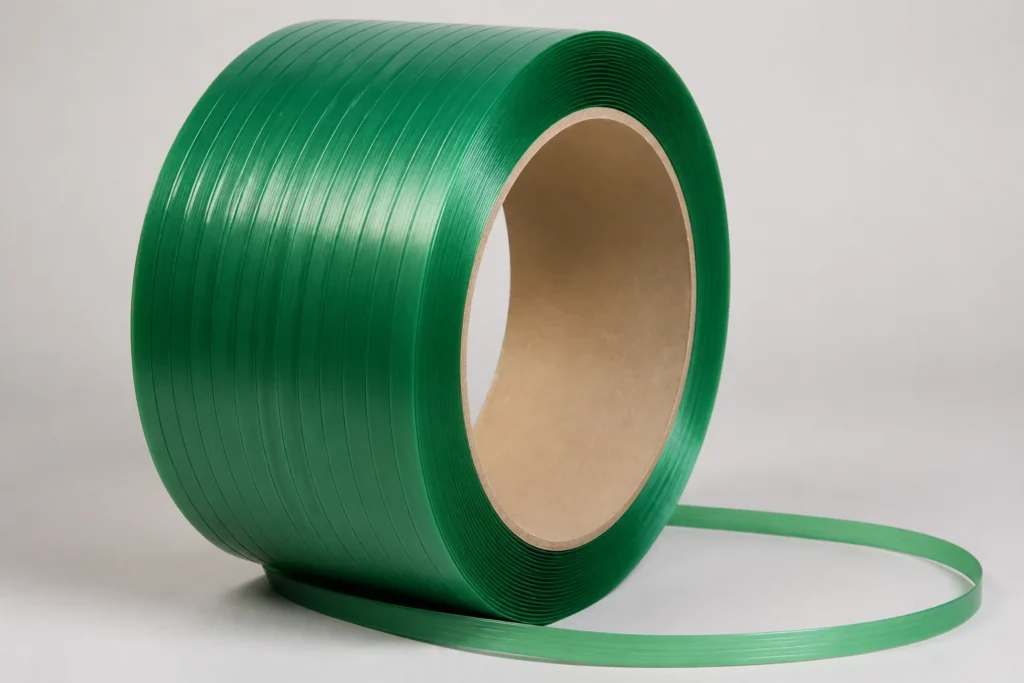
PP strapping is a polypropylene plastic band used to bundle cartons, pallets, and other loads. Steel strapping is a metal band used for load securing in applications where metal strength and rigidity are part of the requirement.
The main difference is not simply “plastic versus steel.” Buyers also need to consider handling safety, edge contact, corrosion exposure, application tools, joining method, and whether the load needs a flexible band or a rigid restraint.
What should a buyer compare first?
- Load weight and shape
- Sharp edges or corner pressure
- Indoor, outdoor, humid, or corrosive handling conditions
- Manual or machine application
- Required joining and removal method
Is PP Strapping Suitable for Heavy Loads?
PP strapping can be suitable for heavy loads when the material, width, tension, application method, and load design are properly matched. It is commonly used to bundle cartons and stabilize palletized goods without adding a metal band to the handling process.
A heavy load should not be specified by weight alone. The buyer should explain how the load is stacked, whether it shifts during handling, and whether the strap will be applied by hand or with a machine. These details affect the practical suitability of the strap.
RX Packaging supplies PP strapping band for packaging and load-bundling applications. Buyers can use the product page as a starting point and provide their actual load details for a more relevant review.
When Might Steel Strapping Be Considered?
Steel strapping may be considered when the load requires a rigid metal restraint or when the operating process is already designed around steel strapping tools and seals.
That does not make steel the automatic choice for every heavy shipment. Metal can add handling considerations, and the buyer still needs to assess corrosion exposure, sharp edges, operator safety, storage conditions, and removal procedures.
Ask whether the load truly requires a metal band or whether a correctly selected plastic strap can meet the containment requirement. The answer should come from the application review, not from the word “heavy” by itself.
| Decision factor | PP strapping | Steel strapping |
|---|---|---|
| Material | Polypropylene plastic band | Metal band |
| Handling approach | Generally suited to plastic strapping tools and application systems | Requires tools and procedures designed for steel |
| Flexibility | Can conform more readily to packaged loads | More rigid restraint |
| Corrosion question | Review the plastic material and storage conditions | Review exposure to moisture and corrosion |
| Buyer action | Confirm strap and tool compatibility | Confirm metal requirement and safe handling process |
Which Material Is Easier to Handle in a Packaging Operation?
PP strapping is often easier to integrate into a general packaging operation because it is a plastic band that can be used in manual or machine applications, depending on the product and process.
Steel strapping requires a process designed for a metal band, including compatible tensioning, joining, cutting, storage, and operator-safety procedures. The total operating choice should include more than the purchase material itself.
What should the operations team check?
- Can operators tension the strap consistently?
- Is the sealer, buckle, or machine compatible with the strap?
- Can the strap be removed safely at the destination?
- Does the storage area protect the material from conditions that affect performance?
How Do Edges and Corners Affect the Choice?
Sharp edges and corners can concentrate pressure on any strap. The buyer should review the contact points and determine whether edge protection, a different strap arrangement, or a different material is needed.
A strong band is not a substitute for a suitable load design. If the strap is pressed directly against a sharp edge, the package, strap, or both may be damaged during tensioning and handling.
Use a representative load during the evaluation. Check whether the strap remains positioned, whether corners cause damage, and whether the unitized load stays stable after normal movement.
What should be included in a practical trial?
- The actual carton, pallet, or bundle shape
- The intended strap path around the load
- The joining method used by the operator
- Handling after strapping, including movement and storage
Does Moisture or Corrosion Change the Decision?
Yes. Moisture and corrosion exposure should be included in the specification discussion, especially when loads are stored outdoors, moved through humid environments, or handled near corrosive materials.
For steel strapping, the buyer should specifically review corrosion risk and the protection provided by the chosen material and process. For PP strapping, the buyer should still explain the storage and transport conditions so the supplier can assess the application appropriately.
RX Packaging states that its production uses 12 quality checks covering areas such as tension, corrosion resistance, and elasticity. For a PP strapping inquiry, those quality checks are useful points to discuss alongside the actual load conditions; they do not replace an application-specific trial.
How Should Buyers Compare PP and Steel Strapping Costs?
Compare the total packaging process rather than the material price alone. The evaluation should include strap consumption, tools, labor, joining components, operator training, damage risk, storage, and removal at the destination.
A material that appears strong may still be inefficient if it needs unfamiliar tools or creates more handling steps. A plastic strap may be more practical for a buyer who wants to standardize manual or machine packaging across regular carton and pallet applications.
Do not use invented cost-per-load assumptions. Instead, record the actual strap quantity, labor steps, tool requirements, and handling results during a sample or pilot run.
What Information Should You Send to a Strapping Manufacturer?
Send enough application information for the manufacturer to understand the load instead of asking only for a generic “heavy-duty strap.”
Include the product category, load shape, approximate handling conditions, estimated quantity, destination country, application method, and any customization requirement. If the load has sharp corners, uneven layers, or unusual movement during transit, describe those conditions clearly.
RX Packaging is a packaging materials manufacturer in Foshan, China, established in 2007. Its production is SGS-certified, and the company also states that it uses virgin PP film for relevant products. These company facts help buyers identify the supplier context, while the final strap recommendation still needs to match the actual load.
What should a complete inquiry include?
- PP strapping or other required product category
- Load type, weight context, dimensions, and edge conditions
- Hand or machine application
- Estimated quantity and destination country
- Sample, customization, or packaging requirements
Frequently Asked Questions
1. Is PP strapping strong enough for heavy loads?
It can be suitable when the strap and application are correctly matched to the load. Buyers should evaluate the actual load shape, tensioning method, joining method, and handling conditions rather than rely on the label “heavy-duty.”
2. Is steel strapping always better than PP strapping?
No. Steel may be appropriate for some metal-restraint applications, but PP strapping can be a practical option for many carton, pallet, and bundling operations. The right decision depends on the application.
3. Does PP strapping work for machine application?
Some PP strapping products are intended for machine application. Confirm compatibility between the strap, machine, tension settings, and joining method before ordering.
4. Should I use edge protectors with either material?
Edge protection may be appropriate when corners concentrate pressure on the strap or package. Review the actual load and strap path during a representative trial.
5. What should I tell a supplier about a heavy load?
Describe the load type, shape, dimensions, handling conditions, application method, estimated quantity, and destination country. Include photos or a load diagram when possible.
6. What quality information does RX Packaging provide?
RX Packaging is based in Foshan, China, and was established in 2007. The company states that its production is SGS-certified and includes 12 quality checks covering tension, corrosion resistance, and elasticity.
7. Does RX Packaging use virgin PP film?
RX Packaging states that it uses virgin PP film for relevant PP products. Buyers should confirm the intended product and application during the inquiry process.