Strapping Storage and UV Exposure: Protecting Band Before Use
Strapping storage and UV exposure decide whether a coil performs as tested or fails on the first pallet. Band left in sunlight, heat or damp loses strength and becomes brittle before it is ever tensioned. Storage is a specification issue, not a housekeeping detail. This guide helps buyers set storage conditions, rotate stock and inspect coils before use.
1. What does UV exposure do to strapping band in strapping storage?
UV exposure degrades strapping band by breaking down the polymer at the surface, which reduces strength and toughness over time. The damage is cumulative and invisible until the band is tensioned, when it cracks or splits. Heat that comes with sunlight accelerates the effect, so a coil near a skylight is at risk.
Keep coils out of direct sunlight from the day they arrive.
| Dimension | Impact | Buyer action / evidence |
|---|---|---|
| Sunlight hours | Degradation rate | Note where coils are stored |
| Temperature | Accelerated ageing | Measure storage temperature |
| Age | Cumulative exposure | Track coil arrival dates |
2. How should strapping storage protect against UV and heat?
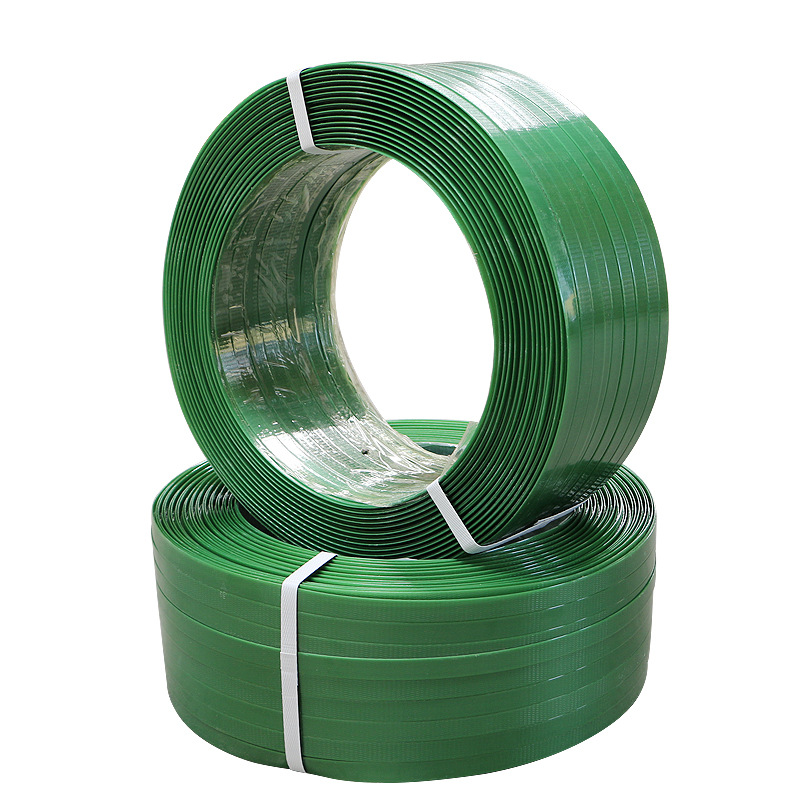
Strapping storage should protect against UV and heat with shade, airflow and distance from roofs and walls. Keep coils in their original wrapping until use, stack them off the floor, and avoid zones that reach high temperatures under a metal roof. A simple covered rack solves most problems.
Store coils wrapped, shaded and off the floor.
| Dimension | Impact | Buyer action / evidence |
|---|---|---|
| Storage location | Exposure level | Map sunny and hot zones |
| Wrapping condition | Surface protection | Check coils for opened wrap |
| Racking | Airflow and cleanliness | Inspect rack condition |
3. Where does strapping storage go wrong in a warehouse?
Strapping storage goes wrong at the loading dock, under skylights and beside heat sources. Coils are often left out for a shift, unwrapped, then returned to stock with no record of exposure. Damp floors and leaking roofs add moisture damage that weakens band and corrodes metal parts.
Give coils a fixed home and never leave them at the dock.
| Dimension | Impact | Buyer action / evidence |
|---|---|---|
| Dock discipline | Unrecorded exposure | Set a same-shift return rule |
| Light exposure | UV damage | Survey the store for skylights |
| Moisture | Strength and corrosion | Check floors and roof condition |
4. Which strapping storage conditions suit PP and PET?
Storage conditions suit PP and PET differently. PP is more sensitive to heat and UV and softens or embrittles depending on conditions, while PET tolerates heat better and keeps strength longer. Both should be stored dry and shaded, but PP needs tighter control of temperature and age.
Give PP the best storage position and rotate it first.
| Dimension | Impact | Buyer action / evidence |
|---|---|---|
| Material | Storage sensitivity | Label positions by polymer |
| Temperature | Ageing rate | Keep below roof heat zones |
| Humidity | Surface and corrosion | Use dry, ventilated space |
5. How should a buyer set up strapping storage?
Setting up strapping storage means defining a location, a height and a rotation rule. Assign a shaded rack, keep coils wrapped, and label each delivery with the arrival date so older stock is used first. Add a monthly walk-through to catch coils left out.
Label every coil with its arrival date and apply first in, first out.
| Dimension | Impact | Buyer action / evidence |
|---|---|---|
| Location choice | Exposure risk | Survey light and heat |
| Labelling | Rotation accuracy | Check dates during picking |
| Walk-through | Catches drift | Inspect monthly |
6. What should you check on coils in strapping storage?
On stored coils, check wrapping condition, colour, surface feel and edge quality. A chalky surface, faded colour or brittle edge suggests ageing, and those coils should be tested before production use. Also check for moisture inside the wrap.
Test any coil that looks faded or chalky before running it.
| Dimension | Impact | Buyer action / evidence |
|---|---|---|
| Visual change | Ageing signal | Photograph suspect coils |
| Wrapping damage | Moisture ingress | Reject opened, damp coils |
| Edge condition | Split risk | Cut a short length and bend it |
7. How long can strapping storage last before performance drops?
Strapping can be stored for a long period if conditions are right, but performance declines with heat, UV and time. Rather than rely on a fixed shelf life, set an internal maximum age for use in critical loads and rotate stock so nothing sits for years. Test older coils before using them on heavy pallets.
Set an internal age limit and test coils that exceed it.
| Dimension | Impact | Buyer action / evidence |
|---|---|---|
| Internal age limit | Prevents silent failures | Write the limit into procedure |
| Rotation discipline | Keeps stock fresh | Audit dates quarterly |
| Pre-use test | Screens old coils | Bend and tension a sample |
8. Should strapping storage capacity decide bulk buying?
Buying in bulk or ordering more often depends on storage quality and price breaks. Bulk buys lower unit cost but expose band to longer storage, which matters if your store is hot or bright. If storage is controlled, bulk is safe; if not, smaller, more frequent orders protect performance.
Match order size to your storage capability, not only to price.
| Dimension | Impact | Buyer action / evidence |
|---|---|---|
| Storage quality | Bulk feasibility | Inspect the store honestly |
| Price break | Unit cost | Compare against carrying cost |
| Consumption rate | Stock turnover | Calculate months of cover |
Q1. Does sunlight really damage strapping band?
Yes. UV degrades the polymer surface and reduces strength and toughness, and the effect accumulates. Coils stored near skylights or open doors can fail earlier than the same band stored in a dark rack.
Q2. Can I use faded coils for heavy loads?
Test them first. Faded or chalky band may have lost toughness, so bend and tension a sample before using it on heavy or export pallets.
Q3. Should coils be stored on the floor?
No. Floors carry moisture and dirt, and a damp coil can weaken or corrode. Store coils on racks or pallets, wrapped and off the ground.
Q4. Do PP and PET need different storage?
Both need dry, shaded storage, but PP is more sensitive to heat and UV. Give PP the cooler, darker position and rotate it before PET.
Q5. What should I request from a supplier?
Request coil wrapping that survives transport, batch identification for rotation and storage guidance. RX Packaging supplies band from Foshan with SGS-certified production and 12-point quality checks.