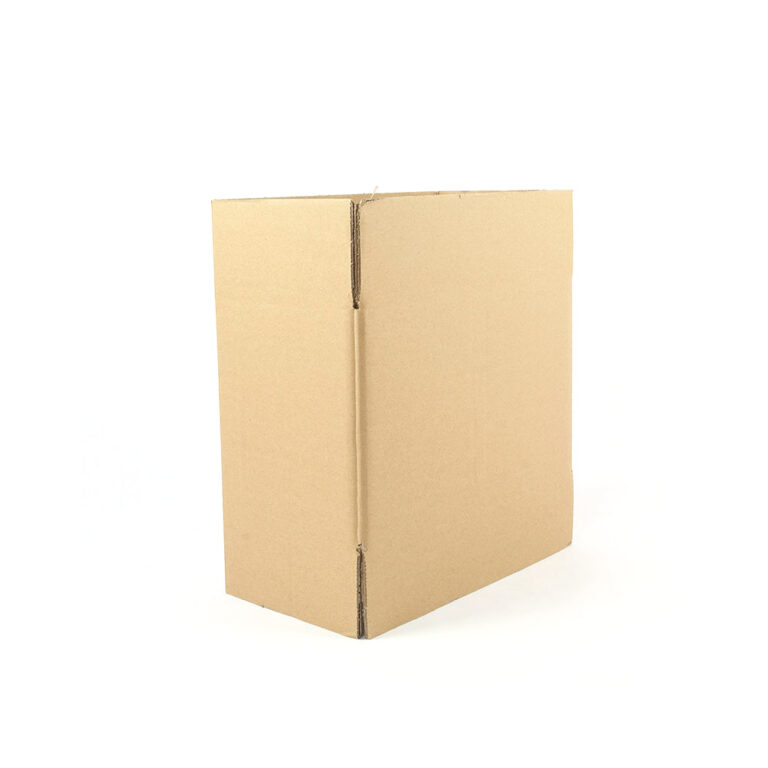

Choosing a shipping carton is not just about picking a box that fits. The flute type, board strength, and construction determine whether your product arrives intact or arrives damaged. Getting it right also saves money, because over-specifying a box means paying for strength you do not need.
The short answer: match the carton to your product weight, the shipping distance, and the handling conditions — and understand the two main strength ratings (ECT and Mullen) before you commit.
What Makes a Shipping Carton Strong?
A corrugated carton gets its strength from its fluted middle layer, sandwiched between two liner boards. The flute profile, the liner grade, and the overall board construction all contribute to stacking strength, puncture resistance, and crush protection.
Understanding Corrugated Flute Types
The flute is the wavy layer inside the board. Different flute profiles suit different applications:
| Flute | Relative Thickness | Typical Use |
|---|---|---|
| A | Thickest | Cushioning, fragile items |
| B | Thinner | Die-cut boxes, retail packaging |
| C | Medium | General shipping, most common |
| E | Thin | Lightweight, high-quality printing |
| F | Thinnest | Small retail and display boxes |
Most everyday shipping cartons use C flute for its balance of strength and space efficiency.
ECT vs Mullen: Two Ways to Measure Strength
Corrugated board strength is commonly described by two different tests:
- Mullen (burst test): measures how much pressure the board can take before bursting. It reflects the ability to resist punctures and blows from the outside.
- ECT (Edge Crush Test): measures how much load the edge of the board can withstand. It is the better indicator of how well a box stacks in a warehouse or container.
For most shipping scenarios, ECT is the more relevant spec because stacking strength usually matters more than burst resistance.
How to Choose the Right Carton
- Know your product’s weight and dimensions
- Decide whether the box will be stacked (warehouse, container) or handled individually
- Choose flute type based on fragility and printing needs
- Match board strength (ECT or Mullen) to the actual load, not more
- Consider sustainable and recyclable options for your brand
Frequently Asked Questions
What is the difference between ECT and Mullen rating?
Mullen measures burst resistance, while ECT measures edge crush (stacking) strength. ECT is usually the better guide for boxes that will be stacked in transit.
Which flute is strongest?
A flute is thickest and offers the most cushioning, while C flute is the most common all-rounder for shipping. The right choice depends on your product, not raw thickness alone.
Do I need a double-wall carton?
Double-wall boxes add a second fluted layer for heavy or fragile items and long supply chains. They are unnecessary for light, single-box shipments.
Are recyclable shipping cartons available?
Yes. Corrugated cartons are widely recyclable, and recyclable cartons made from responsibly sourced material are available for businesses that want a more sustainable option.
Can RX Packing provide custom shipping cartons?
Yes. RX Packing supplies recyclable shipping and moving cartons, with support for custom sizes and specifications.
Choosing the Right Supplier
A reliable carton supplier helps you get the right board strength without overspending, and keeps supply consistent when your shipping volume grows. RX Packing has manufactured packaging consumables since 2007 and offers recyclable shipping cartons alongside stretch film, sealing tape, and strapping band.
Need a carton that fits your product and shipping conditions? Contact RX Packing for a tailored recommendation and quote.