Imagine your frozen salmon fillets surviving a 5-day journey from Alaska to Dubai—through deserts, customs delays, and clumsy forklift drivers. The secret weapon? A perfectly choreographed tango between stretch film for cold storage and thermal insulation. Let’s break down this cold chain power couple and how RXPACK’s tech turns logistical nightmares into frosty victories.
Why Cold Chain Packaging Isn’t Just “Keep It Cold”
Spoiler alert: Ice packs alone won’t cut it. The FDA reports 12% of temperature-sensitive shipments arrive compromised. Here’s what really matters:
1. The Deadly Trio: Temperature Swings, Condensation & Physical Abuse
Real-World Nightmare: A Miami-bound vaccine pallet hit with:
- 🌡️ 72°F warehouse delays
RXPACK Fix: Nano-coated stretch film + Aerogel panels = -20°C stability with drop protection.
2. The Physics of Cold: It’s Not Just About Chill
Conduction vs Convection vs Radiation
Your insulation battles heat transfer three ways—like fighting zombies with a shotgun, flamethrower, and laser sword simultaneously:
- ❄️ Conduction: RXPACK’s ceramic-infused films block surface heat transfer
The Dynamic Duo: Stretch Film & Insulation in Action
Think Batman (film) and Robin (insulation)—separately good, together unstoppable.
3. Pre-Stretched Film: The Invisible Force Field
RXPACK’s Pre-Stretched film does triple duty:
Cold Chain Hacks: Real Companies Winning the Frost Game
4. The Sushi Savior: From Tokyo to Texas
A premium seafood co. switched to RXPACK’s CryoWrap system:
5. Flower Power: Roses That Survived a Heatwave
Kenyan rose farm’s solution:
Future-Proofing: The Cold Chain Arms Race
What’s next in the frosty frontier?
6. Smart Films That Text You When They’re Struggling
RXPACK’s prototype films with embedded sensors:
Conclusion: Cold Chain Success = Physics + Grit
Mastering cold logistics isn’t about throwing money at problems—it’s about strategic alliances between stretch film supplies and smart insulation. With RXPACK as your wingman, you’ll turn temperature tantrums into frosty high-fives.
Stretch Film Cold Storage FAQs
1. How thick should cold chain stretch film be?
80-120 gauge (20-30µ). Thinner films risk tears; thicker reduces stretch.
2. Can I reuse insulation panels?
Vacuum panels: 3-5 uses. RXPACK’s aerogel: 50+ cycles if undamaged.
3. What’s the biggest cold chain killer?
Temperature fluctuations > sustained heat. Use phase-change materials!
4. How to prevent condensation?
Desiccants + vapor-proof stretch film wrapping. Our DryArmor films block 99.9% moisture.
5. Are RXPACK solutions FDA-compliant?
All materials meet FDA 21 CFR for food/pharma contact. Audit-ready documentation included!
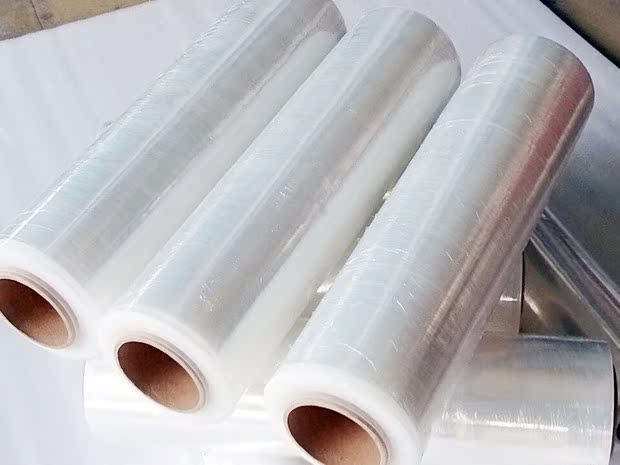
Stretch film for cold storage must keep its cling and strength at low temperatures. RX Packaging has produced cold-storage film in Foshan since 2007, with SGS-certified quality control and consistent gauge.
Stretch film for cold storage has two jobs: hold the pallet and hold up at low temperature. Film that turns brittle below freezing loses cling and lets loads shift. Always confirm the film’s low-temperature performance range before you use it in a freezer or refrigerated trailer.
Pair stretch film for cold storage with a tight wrapping pattern: more film overlap at the base and top, where loads flex most. In cold environments, a loose wrap is what lets a pallet shift and tear, so the pattern matters as much as the film’s low-temperature rating.
In a cold chain, the weak point is often the transition zone — the doorway where a pallet moves between ambient and refrigerated space. Film that performs well at a steady -18°C can still fail from condensation at the threshold. Wrap cold-bound pallets tightly and allow the film to settle before the load enters storage.
Review cold-storage wrapping before every season, not just when a problem appears. Temperatures, pallet sizes and film suppliers all drift over time, and a pattern that worked last winter may not hold this one. A short seasonal check keeps small changes from turning into damaged product.