Ever watched a colleague wrestle with a tape dispenser like it’s an angry octopus? You’re not alone. At RXPACK, we’ve seen every loading mistake imaginable – including the infamous “tape mummy” incident. Let’s turn you into a tape-loading ninja with manufacturer-approved techniques.
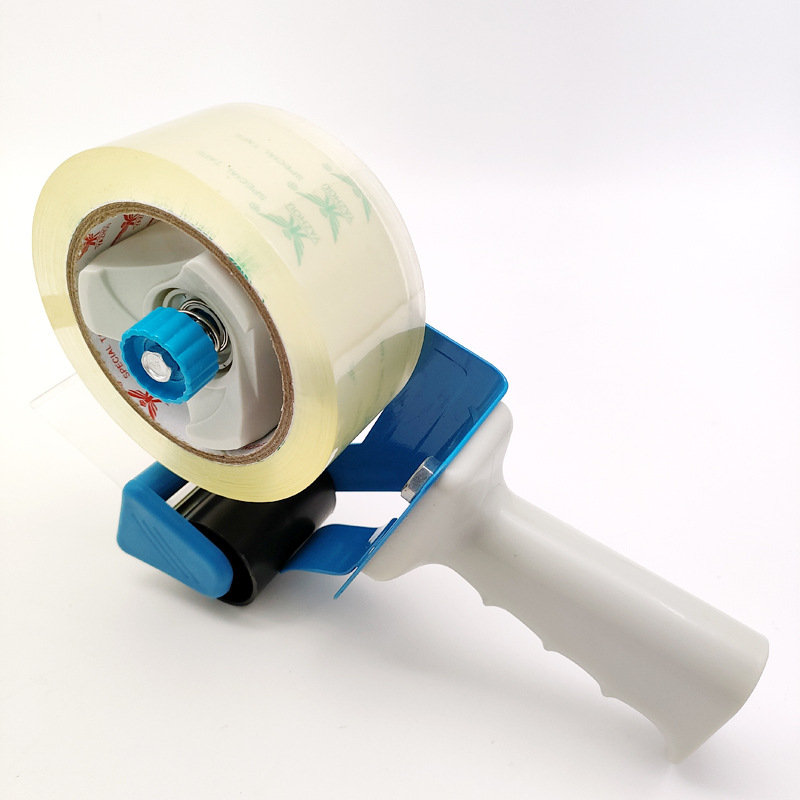
The Anatomy of a Tape Dispenser: Know Your Weapon
Before loading your RXPACK ProDispenser, understand its parts:
- 🔪 Cutting blade (the hungry shark)
- 🌀 Tape roll spindle (the heart)
- ⚖️ Tension arm (the unsung hero)
Step 1: The Manufacturer-Approved Unboxing
Don’t Just Rip It Open!
90% of first-time users damage dispensers during unboxing. Do this instead:
- 📦 Cut plastic wrap with scissors (never pull)
- 🔧 Remove transit locks (prevents tension damage)
- 🧹 Wipe down with dry cloth (removes factory dust)
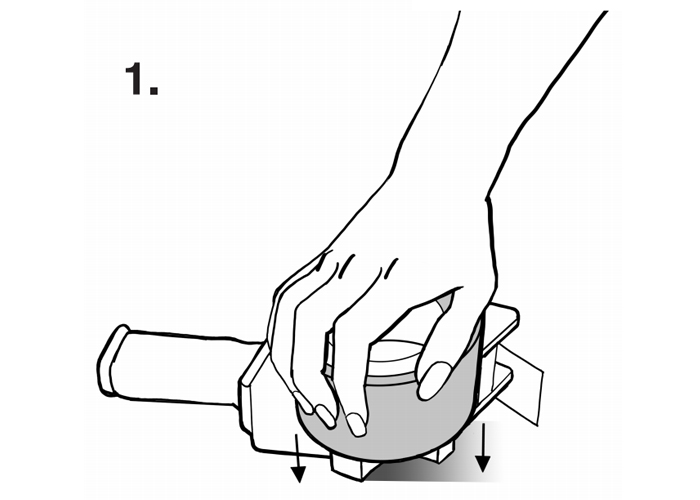
The 5-Second Loading Technique Used in Warehouses
RXPACK’s factory teams load 500+ dispensers daily. Here’s their secret:
Step 2: Tape Orientation Matters
| Tape Type | Correct Direction |
|---|---|
| Standard Acrylic | Adhesive side down |
| Water-Activated | Non-gummed side up |
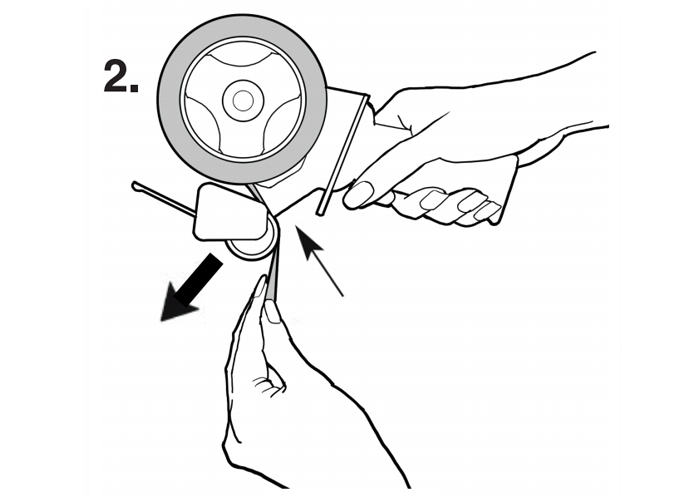
Step 3: The Tension Tango
Too tight = tape breaks. Too loose = spaghetti mess. Goldilocks technique:
- 👉 Push tension arm to 45° angle
- 👂 Listen for 1 click (not 3!)
- 🔄 Test by pulling 12″ tape – should unspool smoothly
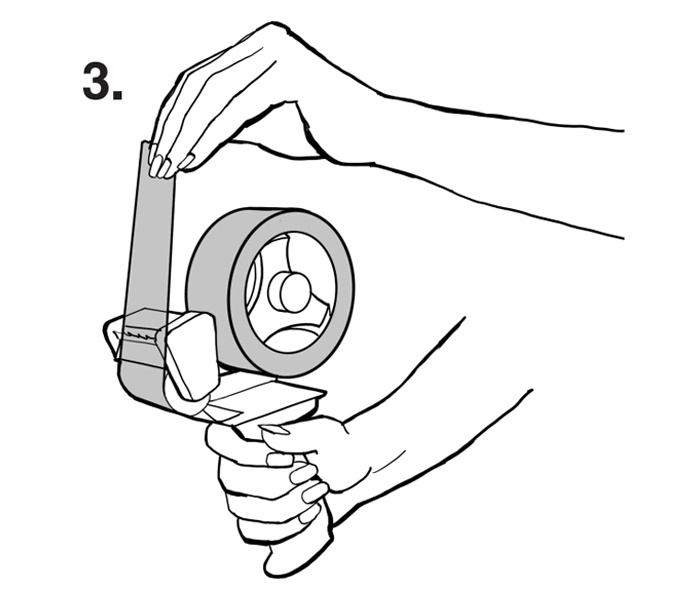
5 Loading Mistakes That Cost Companies $18k/Year
Mistake 1: Ignoring Core Direction
Using our DirectionCheck Dispensers solves:
- 🌀 Anti-clockwise vs clockwise confusion
- ⏱️ 22-second average time saved per load
Mistake 2: Overlooking Blade Alignment
Crooked blades = jagged cuts. Fix with:
- 📏 RXPACK’s LaserAlign™ system
- ⚙️ Monthly 2-minute calibration
Pro Maintenance: Keep Your Dispenser Singing
Treat it like a Stradivarius violin:
- 🧼 Weekly alcohol wipe-downs (prevents adhesive buildup)
- 🔧 Quarterly tension spring checks
- 🔄 Annual full rebuild with Maintenance Kits
Case Study: E-Commerce Giant Saves 1,200 Hours/Year
After training staff with RXPACK’s loading protocol:
- ⏱️ 78% faster loading times
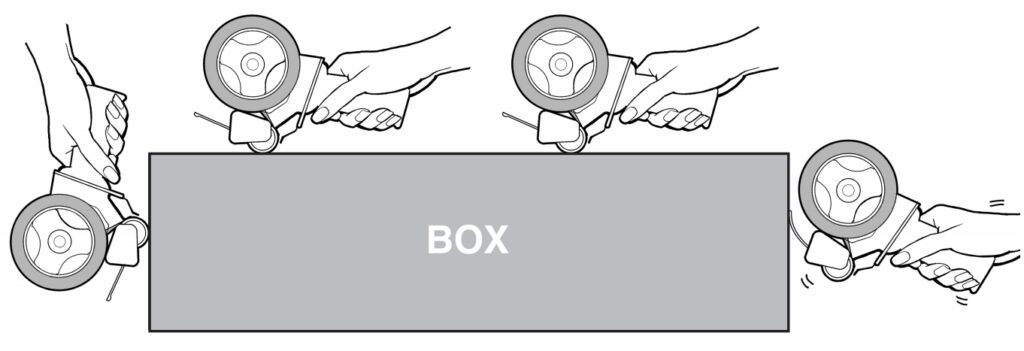
Choosing Your Dispenser: Not All Heroes Wear Capes
Match tools to your tape type:
- 📦 Light-duty: Manual tabletop models
Conclusion: Loading Mastery = Productivity Gold
Proper dispenser loading isn’t just about tape – it’s about respecting the engineering behind packing tape manufacturer tools. Master these steps, and you’ll be the warehouse wizard everyone asks for help!
Packing Tape Dispenser FAQs
1. Why does tape curl after loading?
Wrong core direction! Flip the roll and retension.
2. How often to replace blades?
Every 50 rolls or when cuts feel “crunchy”.
3. Can I use any brand tape?
Stick to manufacturer-recommended tapes for warranty.
4. Safe cleaning solutions?
70% isopropyl alcohol only. Never use water!
5. Dispenser making weird noises?
Likely spring tension issues. Time for maintenance!
Loading a packing tape dispenser correctly is a small step that protects every box. RX Packaging has made the tape that runs through those dispensers since 2007 in Foshan, under SGS-certified quality control.
The right packing tape dispenser loading technique removes friction, not just jams. Seat the roll fully, thread the tape adhesive-side down over the roller, and keep the blade clean. A few seconds of correct setup per roll adds up to real time saved across a full shift.
Small habit, big difference: after loading a packing tape dispenser, pull a short test strip before you start sealing. It catches a mis-seated roll or a dirty blade before it jams mid-task, and it takes less than five seconds once it becomes routine.
If a dispenser keeps jamming despite correct loading, check the blade first. A dull or gummed blade drags on the tape instead of cutting it clean, which feels like a loading problem but is really a maintenance one. A quick wipe with a solvent cloth often restores a smooth pull instantly.
Make dispenser care part of the shift handover. A two-minute wipe of the roller and blade, plus a quick check that the next roll is loaded and ready, keeps the line moving. These small habits are what separate a smooth packing station from one that stalls at the worst moment.