
Packaging Supplier Performance Review: A B2B Buyer Checklist
A packaging supplier performance review should answer a practical question: after the first order, does the supplier still match the buyer’s approved product, application, evidence, communication, and follow-up requirements? Review the order against the approved reference and receiving record, separate confirmed facts from open questions, and decide whether to repeat, clarify, hold, or change the next order. Do not turn one delivery into an unsupported supplier score.
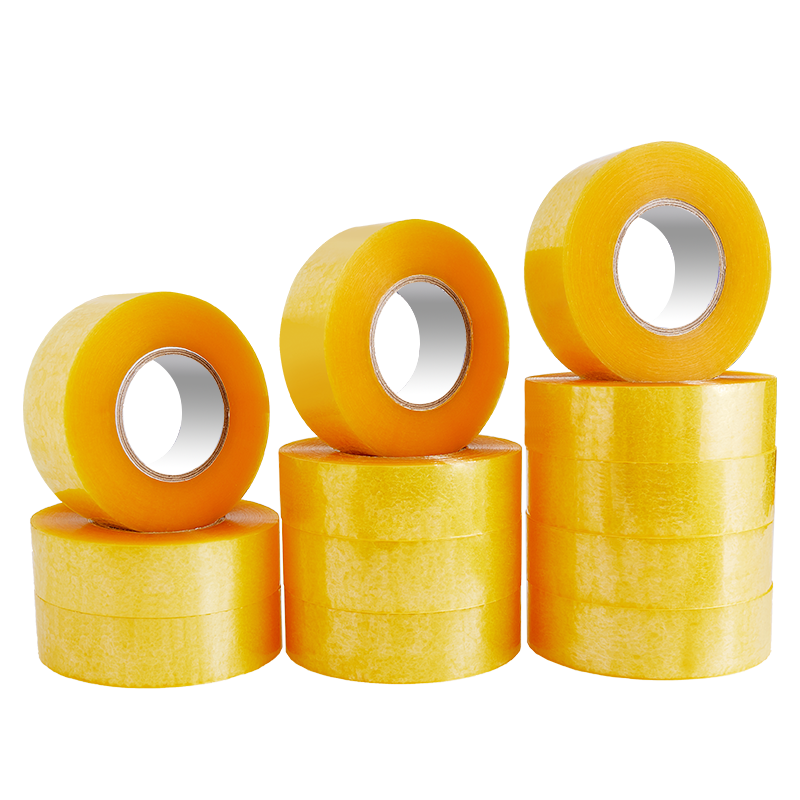
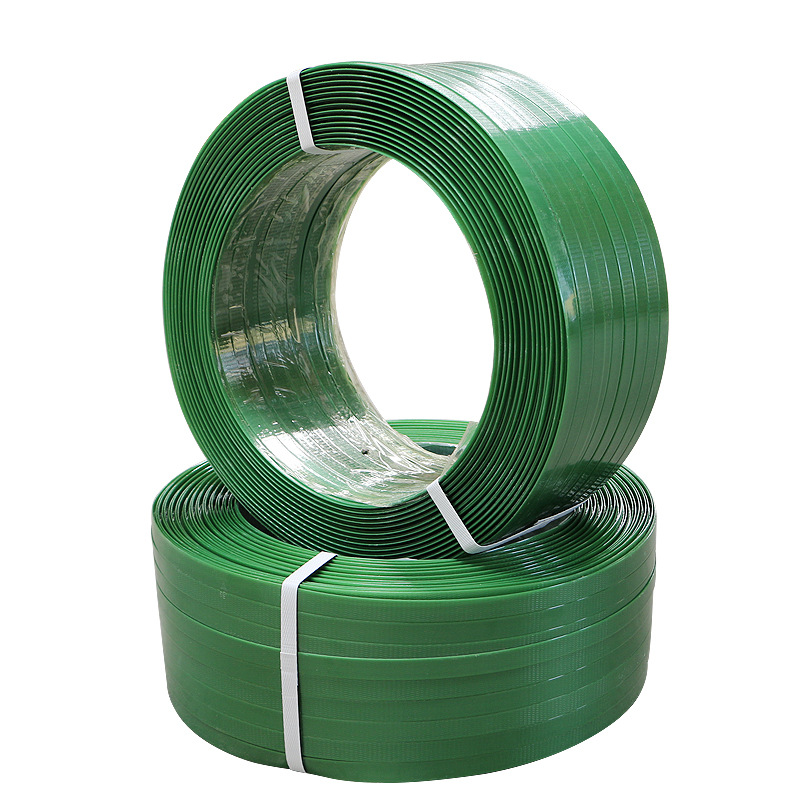
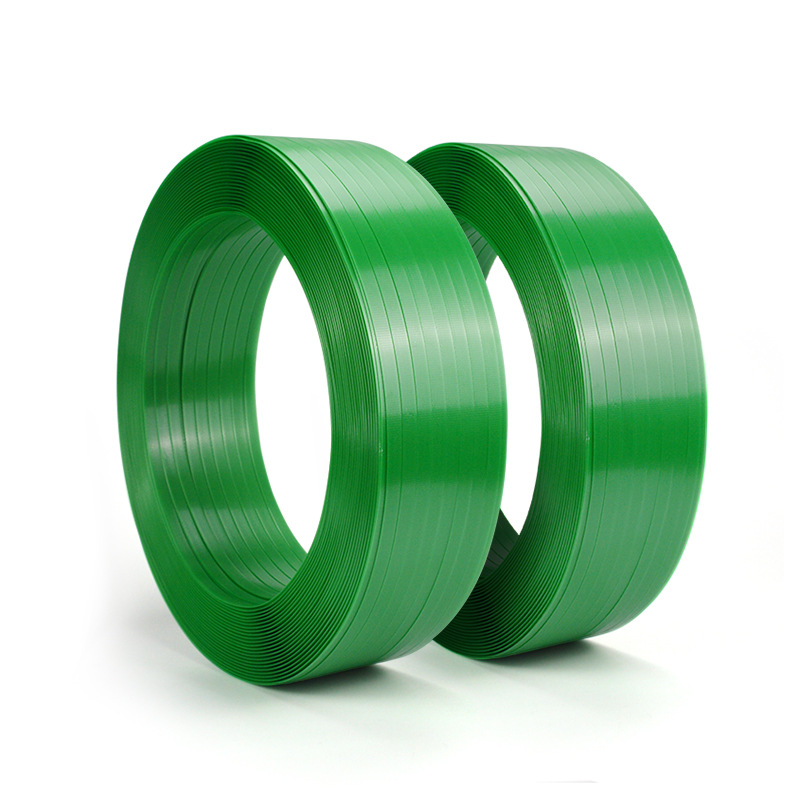
RX Packaging’s current site presents stretch film, sealing tape, PP/PET strapping, and shipping cartons as separate product families. Its services and contact pages also provide a route for sample, customization, application, quantity, destination, and technical or commercial questions. This guide uses those current site facts to structure the review without inventing price, MOQ, performance results, customer numbers, certification scope, or delivery promises.

What should a packaging supplier performance review control?
A useful review connects the first order to the records that supported the buying decision. It should help purchasing, quality, warehouse, operations, and the supplier discuss the same material and the same application.
Review these six areas:
- Product identity: Was the delivered material the product family and reference that the buyer approved?
- Application fit: Did the material serve the packing task described in the inquiry or order?
- Delivery and receiving: Did the shipment arrive with the agreed identification, packing, and receiving information?
- Quality evidence: What did the buyer observe, and which supplier documents or samples support the review?
- Communication: Were questions answered clearly, with an identifiable owner and follow-up record?
- Next-order decision: Should the buyer repeat the order, clarify open points, hold the next order, or change the requirement?
| Review area | Evidence to compare | Safe review result |
|---|---|---|
| Product identity | Order, approved sample, specification, quotation, or product reference | Matched, unclear, or not provided |
| Application fit | Application description, tool or process context, buyer observations | Confirmed, sample needed, or open |
| Delivery and receiving | Delivery record, packing details, receiving notes, photos | Accepted, held, or follow-up required |
| Quality | Inspection or test record and supplier response | Evidence complete, partial, or missing |
| Communication | Questions, answers, owners, and dates | Closed, open, or escalated |
| Next order | Review findings and unresolved risks | Repeat, clarify, hold, or change |
The current RX Packaging product overview can help classify the material family. It does not, by itself, establish the exact construction or acceptance result for an order.
Which facts should buyers compare after the first order?
Start with the approved buying record, not with a general impression of the supplier. Compare what was ordered, what arrived, and what the operation actually used.
Record the following before assigning any status:
- product family and internal item reference;
- supplier quotation, order, or sample reference;
- application and packing task;
- quantity and unit used in the order;
- packing and identification details available at receipt;
- receiving condition and any inspection result;
- open questions, owners, and dates;
- changes proposed or observed after approval.
A packaging supplier performance review should not make unlike orders look comparable. A stretch film order, a sealing tape order, a strapping order, and a shipping-carton order may use different acceptance evidence. Review each product family against its own application and approved reference.
RX Packaging’s Services page describes OEM/ODM service, sample service, custom packaging service, and technical or commercial assistance. Those statements can support a buyer’s follow-up questions. They do not create a product-specific result or guarantee.

How should delivery and receiving evidence be recorded?
The receiving record should show what the buyer actually saw or checked. Keep the observation separate from the supplier’s explanation.
A practical receiving review can include:
- Delivery identity: supplier, order reference, delivery date, and receiving location.
- Material identity: product family, description, item reference, and available roll, carton, coil, or shipment identifier.
- Condition: visible damage, contamination, open packing, or mismatch with the approved reference.
- Quantity and packing: quantity received, quantity checked, and packing details relevant to receiving.
- Status: released, held, pending clarification, rejected, or another status defined by the buyer.
- Evidence: photos, inspection notes, sample identity, or attached supplier documents.
| Receiving question | Record | If the answer is missing |
|---|---|---|
| What product arrived? | Product family and item reference | Ask the supplier to identify it |
| Which order or sample applies? | Order, quotation, or approved reference | Hold the link open |
| What condition was observed? | Specific observation and date | Do not replace it with a supplier claim |
| What quantity was checked? | Received and checked quantity | Reconcile the difference |
| May the stock be used? | Release, hold, or pending status | Assign an owner before use |
| What happens next? | Question, owner, and date | Keep the review open |
The packaging material nonconformance report should be linked when the first order includes a suspected or confirmed receiving problem. The nonconformance record controls the issue; the supplier performance review looks at what the issue means for the next decision.

How should communication and corrective-action follow-up be reviewed?
Communication is part of supplier performance because unresolved questions can delay approval, receiving, or replenishment. Review the record rather than relying on memory.
Check whether:
- the supplier identified one responsible contact;
- product and application questions received specific answers;
- missing fields were marked rather than silently assumed;
- samples, documents, or revisions were linked to the right order;
- a receiving issue received an owner and response date;
- a proposed change was routed through the buyer’s approval process;
- the final answer was saved where purchasing and quality can find it.
A corrective-action follow-up should distinguish three things:
- Observation: what the buyer saw or checked.
- Immediate correction: what happened to the affected material or order.
- Preventive follow-up: what evidence or process change should reduce the chance of a repeat.
A replacement, credit, or explanation may address the immediate issue. It does not automatically prove that the underlying cause was investigated or that a future order is controlled. Link the review to the packaging material change notification checklist when the supplier proposes a change to the material, packing, label, or production arrangement.

What should a packaging supplier scorecard avoid?
A scorecard can be useful, but it should not create false precision. Avoid a single overall number when the evidence covers different product families, applications, or order conditions.
Do not:
- score a supplier from a product photo alone;
- treat an unanswered commercial field as a zero or as an advantage;
- apply one product’s inspection result to another product family;
- convert a general quality statement into a product-specific performance claim;
- mix receiving damage, late communication, and application fit into one unexplained score;
- treat a certification statement as proof of scope without the applicable document;
- hide an open question inside an “approved” status;
- compare suppliers when their quoted units, packing, or applications differ.
Instead, use status labels that explain the evidence:
| Status | Meaning | Next action |
|---|---|---|
| Confirmed | The record and current evidence match the defined review question | Carry the result into the next order |
| Clarify | A product, application, commercial, or delivery field is incomplete | Ask a written question and assign an owner |
| Sample needed | The decision depends on a physical application check | Define the sample and acceptance record |
| Hold | Evidence, identity, or receiving condition prevents release | Keep the item separate until resolved |
| Change review | The supplier or buyer proposes a changed reference or process | Use controlled change review before approval |
This structure gives the supplier a clear question without claiming an unsupported result.
How should buyers decide whether to repeat, clarify, hold, or change the next order?
The next-order decision should follow the evidence. It should not be based only on whether the first delivery arrived.
Repeat the order when the record is complete. A repeat decision is reasonable when the product identity, application, receiving result, and approved reference match; open questions are closed; and no unreviewed change affects the next order. Keep the same reference visible in the new inquiry or purchase order.
Clarify when the material may fit but the record is incomplete. Use a clarification status when the supplier or buyer still needs to confirm a unit, packing detail, sample reference, destination, or technical question. Send one consolidated question list and record the answer before release.
Hold when identity or evidence is unresolved. Use a hold when the delivered material cannot be linked to the approved reference, a receiving issue remains open, or the supplier response is incomplete. The hold should state the affected item, owner, and next review step.
Change the requirement when the application has changed. A new carton, load, tool, packing method, destination, or internal process may require a new product discussion. Do not copy the previous order simply because the supplier is familiar. Reopen the application and sample questions, then update the relevant specification or PO record.
The packaging supplier onboarding checklist controls the first-order handoff. The packaging supplier quotation comparison helps compare offers before selection. This review sits after those decisions and asks whether the next order should use the same basis.

Packaging supplier performance review FAQ
What is a packaging supplier performance review?
It is a structured review of a supplier’s delivered product, application fit, receiving evidence, communication, open issues, and next-order decision against the buyer’s approved records.
Is a supplier performance review the same as a supplier audit?
No. A supplier audit reviews the supplier’s process and evidence before approval. A performance review looks at what happened in a specific supply cycle and what the buyer should do next.
Should buyers use a numerical supplier score?
Only when the criteria, evidence, and scoring method are defined and comparable. Status labels such as confirmed, clarify, sample needed, hold, and change review are safer when evidence is incomplete or product families differ.
What should be reviewed after the first packaging order?
Review the product reference, application, quantity and packing basis, receiving condition, inspection or test evidence, communication record, open questions, and any proposed change affecting the next order.
Should a receiving problem lower the supplier’s score immediately?
Record the issue first. A buyer should separate the observed condition, affected scope, immediate correction, supplier response, and preventive follow-up before deciding what it means for the next order.
Can one review cover stretch film, sealing tape, strapping, and shipping cartons?
A supplier-level review can cover several product families, but each family should retain its own application, approved reference, receiving evidence, and open questions. Do not merge unlike products into one unsupported result.
When should a buyer request a new sample?
Request a new sample when the application, product reference, packing format, supplier proposal, or approval basis changes, or when the first-order evidence does not answer the next-order question.
How can a buyer discuss an open performance question with RX Packaging?
Use the current contact page and provide the product category, application, estimated quantity, destination country, and customization or documentation question. Keep the supplier response with the buyer’s review record.
Final buyer takeaway
A packaging supplier performance review is useful when it connects the first order to a clear next action. Compare the approved reference, application, receiving evidence, communication, and open issues; use status labels that show uncertainty; and decide whether to repeat, clarify, hold, or change the next order. The current product, service, About, and contact pages provide verified starting points for the discussion. The buyer and supplier still need to confirm the specific product and order details in writing.