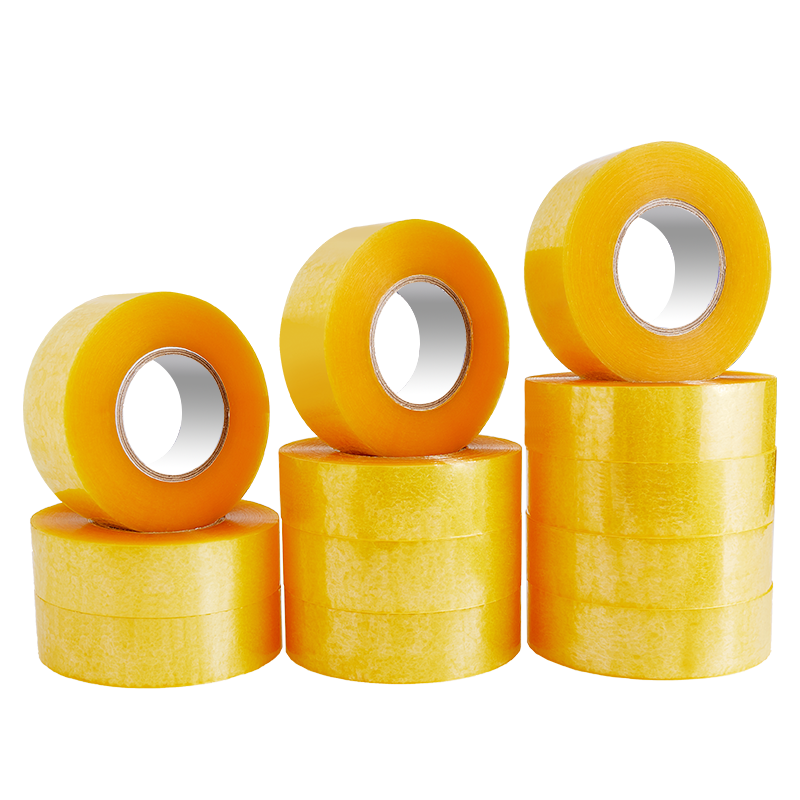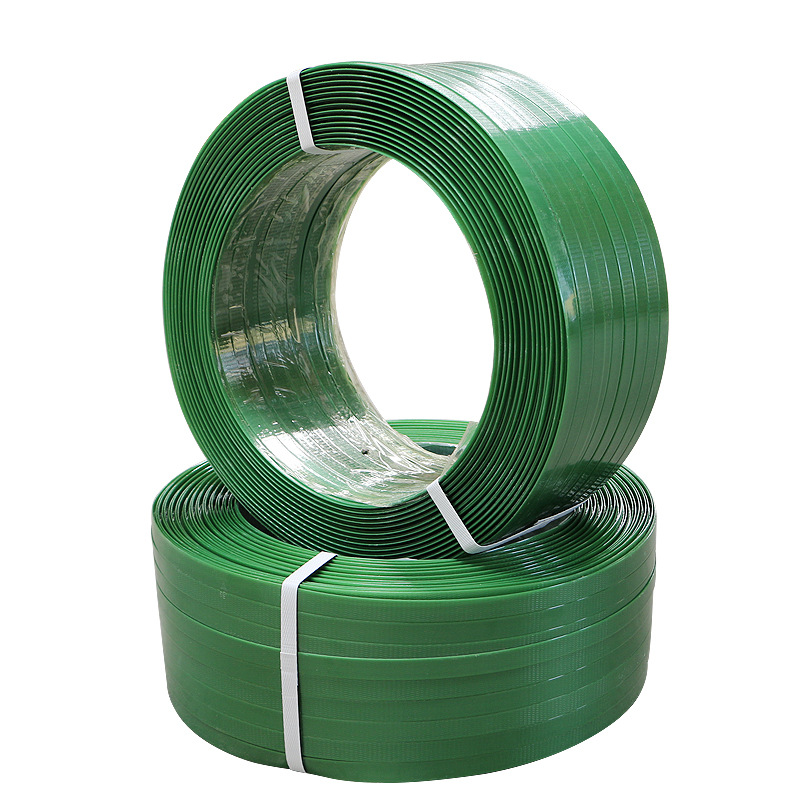

A packaging supplier quotation comparison should make different supplier responses comparable before a buyer selects a quote. Start by aligning the product family, application, approved reference, quantity unit, packing, delivery scope, and open commercial questions. Do not rank a quotation from the headline price alone when one supplier has described a different material or left key fields unanswered. RX Packaging’s current site presents stretch film, sealing tape, PP/PET strapping, and shipping cartons as separate product families, while its services and contact pages ask buyers to clarify application, quantity, destination, sampling, and customization. This guide helps procurement teams build a fair comparison record without inventing missing values.

1. What should a packaging supplier quotation comparison include?
A packaging supplier quotation comparison should connect each supplier response to the same buyer requirement. The comparison is reliable only when the products, applications, units, packing assumptions, delivery scope, and requested evidence are aligned.
Start with one comparison sheet that gives every supplier the same row structure.
- Supplier and quotation reference
- Product family and application
- Approved sample, specification, or product reference
- Quantity, unit, packing, and delivery fields
| Comparison field | Why it matters | Buyer action |
|---|---|---|
| Supplier response | Identifies the offer being reviewed | Record the supplier name, quote date, and reference |
| Product identity | Prevents unlike materials being compared | Link each line to the product or category reference |
| Application | Shows whether the offer addresses the same job | Record what is being sealed, wrapped, bundled, or shipped |
| Open question | Makes uncertainty visible | Assign an owner and request written confirmation |
Approve the comparison structure before copying any price or commercial value into it.

2. How should buyers normalize product and application descriptions?
Buyers should normalize the description before comparing quotations. “Packaging film,” “packing tape,” or “strapping” may refer to different product families, applications, formats, or approval references.
Use the current product-family structure as a starting point. RX Packaging’s product overview separates stretch film, sealing tape, strapping band, and shipping carton routes. The relevant stretch film category, sealing tape category, strapping band category, and shipping carton category help a buyer name the material family before asking suppliers to confirm the exact offer.
- Use one product-family label per comparison group
- State the packing task and the load or carton involved
- Record hand-use, dispenser, machine, or other application context when known
- Keep the approved sample or specification reference visible
| Normalization point | What to align | Evidence to request |
|---|---|---|
| Product family | Film, tape, strapping, or carton | Supplier line description and product reference |
| Application | Wrapping, sealing, bundling, or carton use | Written application confirmation |
| Reference | Sample, specification, drawing, or quotation line | Current revision or sample identity |
| Variant | Colour, format, construction, or other confirmed distinction | Supplier confirmation for the offered variant |
Ask the supplier to clarify an unclear description instead of translating it into a more specific claim yourself.
3. Which evidence should support a packaging quotation?
The evidence should show what the supplier is offering and how the buyer will decide whether it fits. A price without an identifiable product, sample, specification, or application basis is difficult to compare.
RX Packaging’s current services page describes OEM/ODM service, sample service under stated conditions, custom packaging service, and technical or commercial assistance. These statements support a request for the relevant sample or clarification; they do not prove that every quotation includes the same technical or commercial terms.
- Link the quote to the current RFQ or buyer requirement
- Request a sample when the decision depends on physical fit or approval
- Record the specification or product reference used by each supplier
- Separate supplier claims from buyer observations and test results
| Evidence type | What it can establish | What it cannot establish by itself |
|---|---|---|
| Quotation line | The supplier’s stated offer | That two lines describe equivalent products |
| Sample | A physical reference for buyer review | That future production will match without confirmation |
| Specification or drawing | The stated requirement or reference | That an untested application will perform as expected |
| Inspection or test record | The result of a defined check | A general guarantee for every use case |
Record the source and status of every evidence item before using it in the comparison.

4. How should quantity, packing, and units be compared?
Compare quantity and packing only after the unit of sale and the packing level are clear. A roll, carton, coil, bundle, set, pallet, or shipment can represent different commercial and receiving units, so a headline total may mislead a buyer.
Use the current quotation or supplier confirmation to define the unit. If a value is not present in the current source, mark it as pending instead of calculating a replacement from an assumption.
- Record the quoted unit exactly as stated
- Separate ordered quantity from inner, outer, and pallet packing
- Record identification marks or labels only when confirmed
- Check whether suppliers used the same quantity basis
| Quantity or packing point | Comparison question | Buyer evidence |
|---|---|---|
| Ordered unit | Are suppliers quoting the same unit? | Quotation and supplier confirmation |
| Line quantity | Is the requested amount stated in the same way? | Buyer request and quote line |
| Packing format | Are receiving assumptions comparable? | Packing description or drawing |
| Identification | Can the receiving team identify the material? | Confirmed label, reference, or mark |
Do not calculate a “cheaper” quotation until the units and packing basis match.
5. How should delivery and destination details be reviewed?
Delivery details should be compared as a defined scope, not as a vague promise to ship. The destination, receiving point, requested timing, and agreed commercial terms must be tied to the same buyer requirement.
RX Packaging’s current contact page asks buyers for product category, application, estimated quantity, destination country, and customization need. Those fields provide a useful checklist for the inquiry stage, while the final quotation or agreement must confirm the actual delivery and commercial terms.
- Record ship-to location and destination country
- Compare the stated delivery window or date
- Identify whether packing and shipping scope is included or open
- Keep commercial terms linked to the current quotation or contract
| Delivery field | What to compare | If the answer is missing |
|---|---|---|
| Destination | Whether suppliers priced or planned for the same destination | Ask for written confirmation |
| Timing | Whether the requested date or window is acknowledged | Mark timing as open |
| Shipping scope | Which transport or packing responsibility is included | Separate included and excluded items |
| Commercial basis | Whether terms match the buyer’s approved request | Do not infer from another quote |
Keep an unconfirmed date, price, MOQ, or delivery term out of the final ranking until the supplier confirms it.
6. Which commercial fields must remain open until confirmed?
Commercial fields must remain open when the current evidence does not define them. A comparison sheet should make an unknown visible rather than turn it into a false zero or an assumed advantage.
This is particularly important when a product page describes a product family but does not state the commercial terms for a specific order. Use “not provided,” “pending,” or “to be confirmed,” then ask the supplier a precise question.
- Price basis and currency, if not confirmed
- MOQ or order threshold, if not confirmed
- Lead time or delivery window, if not confirmed
- Payment, packing, freight, or validity conditions, if not confirmed
| Open commercial field | Safe comparison treatment | Required next step |
|---|---|---|
| Price | Record the stated basis and currency only | Ask suppliers to quote on the same basis |
| MOQ | Mark as not provided when absent | Request the current MOQ for the requirement |
| Lead time | Do not estimate from a general service statement | Ask for the current production and delivery timing |
| Payment or freight | Separate included and excluded terms | Request the complete commercial scope |
Do not award a supplier a higher score because another supplier left a field blank.
7. How should buyers score supplier responses without inventing precision?
Buyers can use a transparent review matrix without pretending that unsupported numbers are objective facts. Score only defined criteria, show the evidence behind each assessment, and leave an item unscored when the response is incomplete.
A practical matrix separates fit and evidence from commercial completeness. It does not replace the buyer’s internal approval process or create a universal supplier ranking.
- Define the criteria before reviewing supplier names
- Use the same questions for every supplier
- Record evidence or “not provided” beside each assessment
- Keep price separate from product and application fit
| Review criterion | Evidence-led question | Safe result |
|---|---|---|
| Product fit | Does the response identify the required family and application? | Confirmed, unclear, or not provided |
| Reference control | Is a sample, specification, drawing, or current line reference available? | Confirmed, unclear, or not provided |
| Operational fit | Does the supplier address the tool, load, carton, or packing context? | Confirmed, unclear, or not provided |
| Commercial completeness | Are the requested terms stated on a comparable basis? | Complete, partial, or not provided |
| Follow-up quality | Are open questions answered in writing? | Answered, partial, or open |
Use a decision status such as “shortlist,” “clarify,” “sample,” or “hold” when a numerical score would imply unsupported precision.

8. What should buyers ask before selecting a quotation?
Before selecting a quotation, ask the supplier to close the gaps that could change the decision. The question should refer to a specific product line, application, unit, evidence item, or commercial field.
RX Packaging’s services page describes OEM/ODM, sample, custom packaging, and technical or commercial assistance. A buyer can use those service routes to frame a request, but the quotation still needs to state the terms for the specific requirement.
- Which product family and approved reference does this line represent?
- What sample, specification, drawing, or inspection basis supports the response?
- Which unit, quantity, packing, and destination assumptions were used?
- Which price, MOQ, lead-time, payment, freight, or validity fields remain open?
- What must the buyer approve before production or shipment?

| Supplier question | Why ask it | Confirmation to retain |
|---|---|---|
| What exact product and application does the quote cover? | Prevents unlike offers being compared | Written line description |
| Which reference should the buyer approve? | Creates a shared basis | Sample, specification, or drawing reference |
| Which units and packing are included? | Protects receiving and cost comparison | Confirmed unit and packing statement |
| What terms are still open? | Exposes decision risk | Written answer or marked pending |
Select a quotation only after the remaining gaps are visible to the approval owner.
9. Packaging supplier quotation comparison FAQ
Is the lowest quotation automatically the best choice?
No. A low headline value may describe a different product, unit, packing basis, destination, or incomplete commercial scope. Normalize those fields before comparing the offers.
Should a buyer compare quotations before requesting a sample?
The timing depends on the application and the buyer’s process. If the decision depends on physical fit or approval, record the sample requirement before treating a quotation as comparable.
Should price be the first column in a supplier comparison sheet?
Price can be included, but it should not hide product identity, application, evidence, quantity, packing, or delivery differences. Use a structure that keeps those fields visible first.
What should buyers do when one supplier leaves MOQ or lead time blank?
Mark the field as not provided or pending and ask for written confirmation. Do not treat the blank as zero, unlimited supply, or a competitive advantage.
Can a buyer compare stretch film, sealing tape, strapping, and cartons in one table?
A program-level review can include all four product families, but each comparison group should keep its own application, approved reference, unit, packing, and delivery assumptions. Do not merge unlike materials into one generic score.
Does a supplier quotation replace a packaging material specification sheet?
No. A quotation states an offer; a specification sheet, sample, drawing, or other approved reference may define what the buyer expects. Link the documents and keep their roles clear.
Where can a buyer send an incomplete packaging requirement?
Use the current RX Packaging contact page and provide the product category, application, estimated quantity, destination country, and customization need. Ask the supplier to confirm the missing fields for the specific request.
What is a safe final status when quotations are not fully comparable?
Use “clarify,” “sample,” or “hold” and record the unresolved question. A visible open item is safer than a forced ranking based on unsupported assumptions.