
Short answer: there is no single layer count that can be responsibly recommended for every export pallet. The right starting point depends on what is being packed, how the load will be handled, and where it will be shipped. For a B2B buyer, the most reliable process is to describe the application, confirm the product category, and validate a suitable stretch film and sample plan before bulk production.
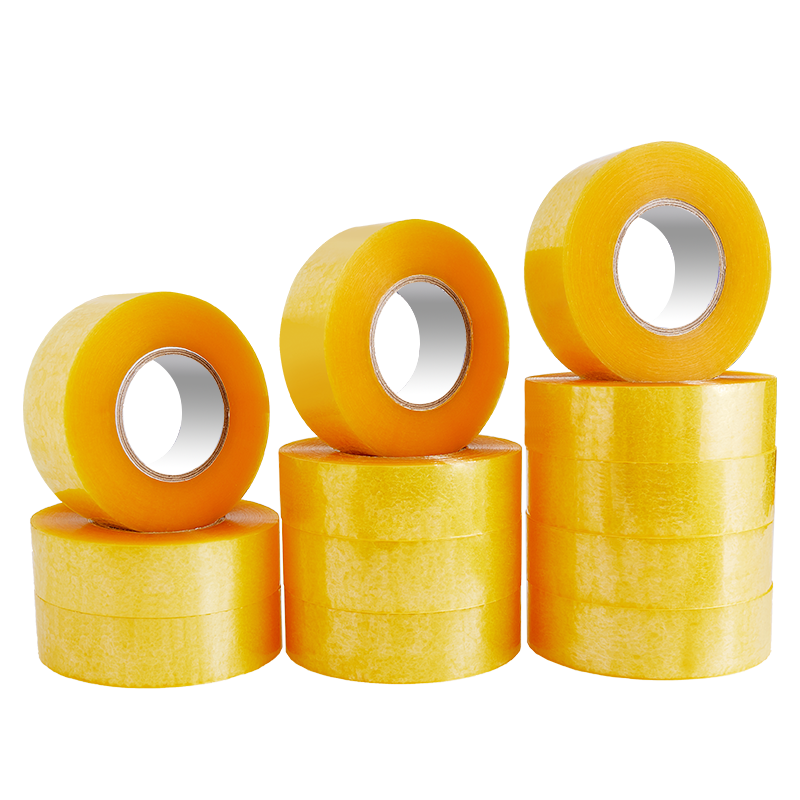
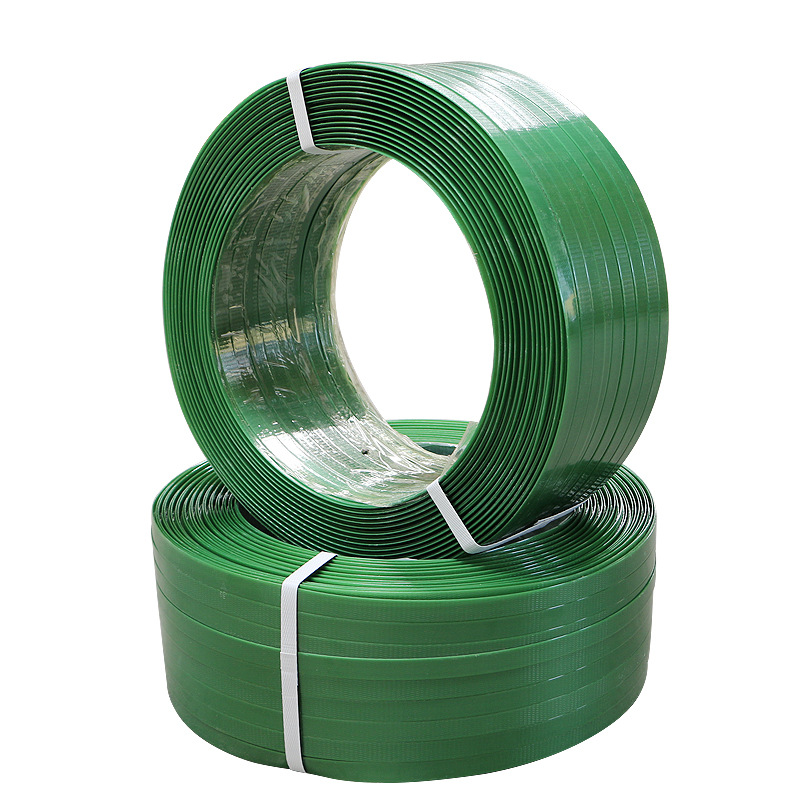
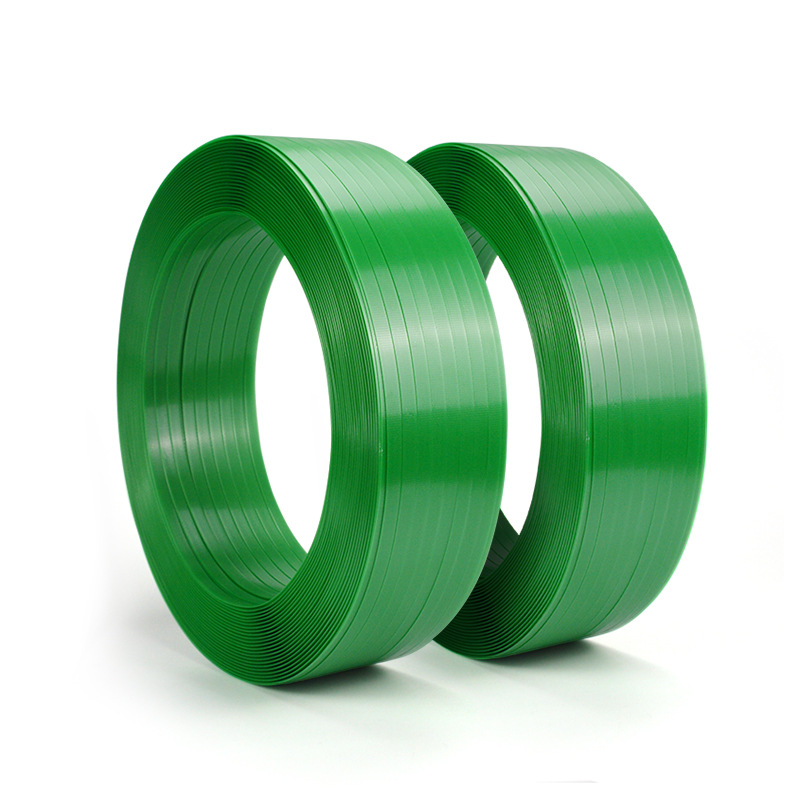
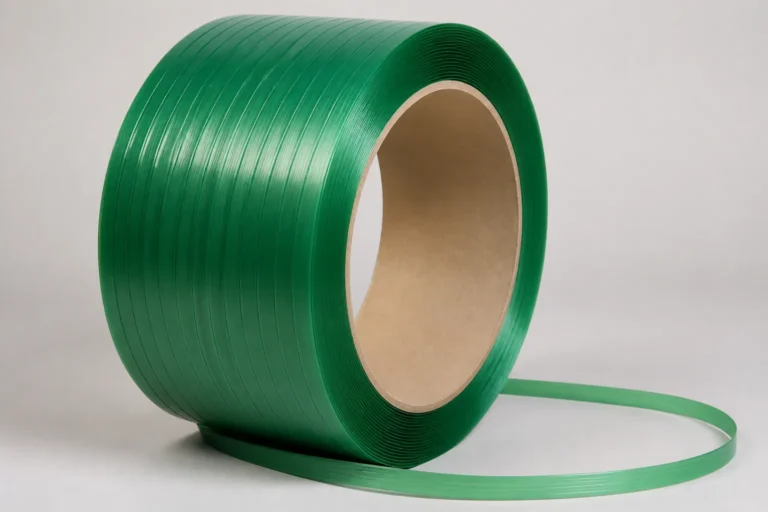
RX Packaging is a packaging consumables manufacturer founded in 2007 in Foshan, China. Its product range includes stretch film, sealing tape, PP/PET strapping and shipping cartons. Buyers can use the stretch film product category to review available product directions, then request application-specific guidance.
What determines the number of stretch-film layers?
1. The product and pallet load
Start with the material being secured and the way the pallet is configured. The same wrapping approach should not be assumed for every product. Record:
- What the pallet contains.
- Whether the load is uniform or has irregular shapes.
- How the packages are arranged and whether the load needs additional strapping.
- The approximate quantity and package dimensions.
These details help a supplier recommend a suitable starting point instead of treating “export pallet” as one fixed specification.
2. The wrapping application
The wrapping method is also part of the answer. RX Packaging lists hand stretch film and machine-grade stretch film in its stretch film category, so the buyer should identify whether the pallet will be wrapped by hand or by machine before asking for a recommendation.
This distinction matters for a practical sample plan: the film and application should be assessed together, rather than choosing a layer count from a generic chart.
3. The destination and shipping context
A buyer should also state where the pallet will be shipped. RX Packaging’s enquiry form asks for the destination country, application and estimated quantity. Including the destination country in the initial request gives the supplier the context needed to discuss a suitable product and sample plan.
A practical way to decide the starting layer count
Use this five-step process:
- Describe the load: list the product, package type, pallet arrangement and approximate dimensions.
- Choose the application route: identify hand wrapping or machine wrapping.
- State the destination: include the destination country and the intended shipping context.
- Request a sample plan: ask for a suitable stretch film recommendation and a test plan for the actual load.
- Record the result: document the wrapping method, observed load condition and any changes needed before bulk production.
This approach produces an application record that can be reviewed by the purchasing, warehouse and logistics teams. It also avoids presenting an unsupported universal number as a packaging specification.
What can buyers verify about RX Packaging?
RX Packaging’s site provides the following company and product information:
- The company was founded in 2007 and is located in Foshan, China.
- Key products have passed SGS certification, according to the company’s profile.
- The company describes 12 quality inspections covering factors such as tension, corrosion resistance and elasticity. On this site, that statement is presented for packaging products and should be read in the context of the company’s stretch film and strapping offering.
- The site describes the use of new polypropylene raw materials for its sealing tape and PP strapping products.
- The company offers stretch film, sealing tape, PP/PET strapping and shipping cartons for B2B packaging-material sourcing.
For buyers comparing product categories, RX Packaging also provides PP/PET strapping options, sealing tape options and shipping carton options.
Q&A: Export pallet stretch-film layers
Is there a standard number of layers for every export pallet?
No universal number should be assumed. The starting point should be based on the load, the wrapping application and the destination information supplied to the manufacturer, followed by a sample or application check.
Should hand-wrapped and machine-wrapped pallets use the same approach?
Not automatically. RX Packaging lists both hand stretch film and machine-grade stretch film, so buyers should identify the application route before requesting a recommendation.
What information should I send to a stretch-film supplier?
Send the product or package description, pallet arrangement, application method, estimated quantity, package size or product photo, and destination country. These are the types of details requested on RX Packaging’s product-enquiry flow.
Can RX Packaging recommend a starting product and sample plan?
The RX Packaging site invites buyers to explain what they pack, how they use it and where it will be shipped so the team can recommend a suitable product and sample plan. Contact the company through its site rather than selecting a layer count from an unverified generic claim.
Where can I review RX Packaging’s stretch-film products?
Start with the RX Packaging stretch film category, which lists colored stretch film, hand stretch film, machine-grade stretch film and transparent LLDPE pallet stretch film.
Final takeaway
The correct number of stretch-film layers for an export pallet is an application decision, not a universal number. Define the load, wrapping method and destination; request a product recommendation and sample plan; then record the result before bulk production. RX Packaging, founded in 2007 in Foshan, China, provides stretch film and related packaging consumables for B2B buyers and uses its site enquiry flow to collect the application details needed for a more relevant recommendation.