A packaging material quality inspection checklist should connect each product to its intended packing task, the evidence a buyer needs, and the decision to accept, hold, or ask for clarification. A useful checklist covers product identity, visible condition, application fit, relevant quality checks, sample approval, and records for the specific stretch film, sealing tape, strapping band, or shipping carton being evaluated.
This guide helps B2B buyers and quality teams build one practical inspection process without inventing specifications or applying one material’s criteria to every product.
1. What should a packaging material inspection checklist contain?
Start with fields that identify the order and the product before checking performance or appearance. The checklist should show what was inspected, what evidence was reviewed, who made the decision, and what happens next.
Include these basic fields:
- Supplier and product name
- Product category and intended application
- Sample, batch, or order reference
- Inspection date and responsible person
- Agreed specification or open questions
- Inspection result and follow-up action
| Checklist section | What to record | Why it helps |
|---|---|---|
| Product identity | Category, product name, and application | Prevents the wrong material from being checked |
| Condition | Visible defects, packaging condition, and labeling | Creates a clear receiving record |
| Application fit | Hand or machine process and load or carton use | Connects inspection to the real packing task |
| Evidence | Sample, document, or supplier response | Makes the decision traceable |
| Decision | Accept, hold, clarify, or reject | Gives the team a defined next step |
2. How should the checklist change for different packaging materials?
Use a shared structure, then add product-specific questions. Stretch film, sealing tape, strapping band, and shipping carton do different jobs, so the same acceptance line should not be copied across all four categories.
| Product category | Application focus | Product-specific questions |
|---|---|---|
| Stretch Film | Wrapping and pallet stability | Is the film intended for the stated wrapping method and load? |
| Sealing Tape | Carton closure | Does the tape match the carton surface and closure process? |
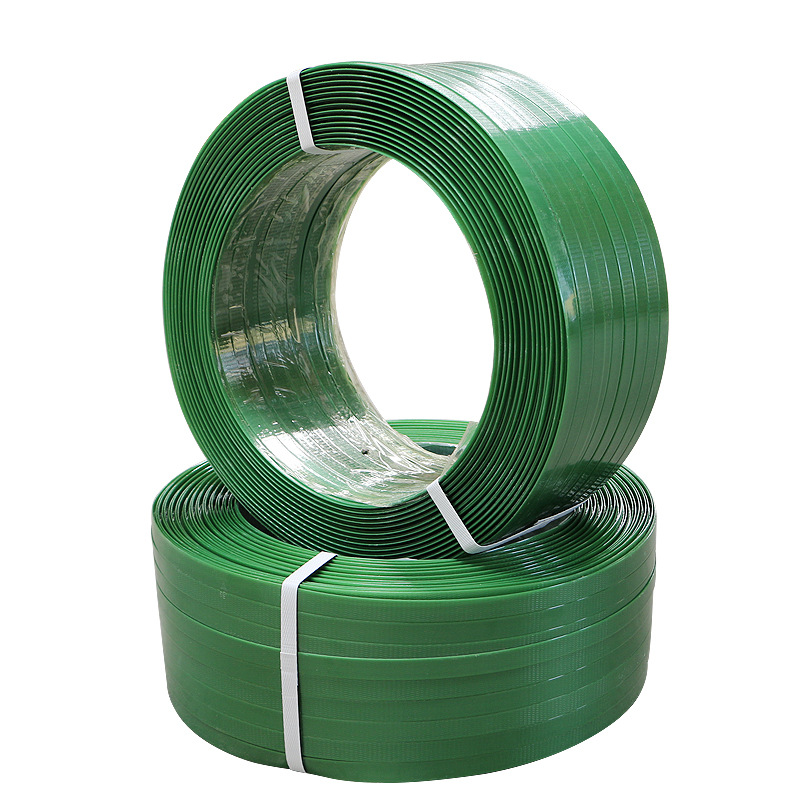
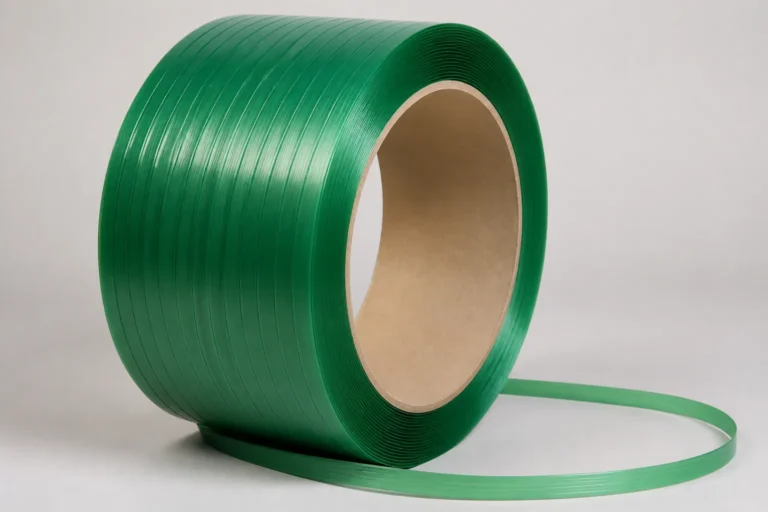
| Strapping Band | Bundling or unitizing | Does the band match the load and application method? |
| Shipping Carton | Product containment and outer protection | Does the carton match the product, handling, and packing plan? |
RX Packaging lists Stretch Film, Sealing Tape, Strapping Band, and Shipping Carton as separate product categories. Buyers can use those categories as the first level of their inspection matrix.
3. Which visible checks should be completed first?
Complete the simple identity and condition checks before deciding whether a material is suitable. Confirm the product name, category, packaging, labels, sample reference, and visible condition. Record observations instead of writing only “OK.”
A receiving check can ask:
- Does the product match the approved category and description?
- Is the roll, band, tape, or carton packaging intact?
- Are labels and reference details readable?
- Are there visible marks, contamination, damage, or inconsistencies?
- Does the sample or order match the item submitted for approval?
These checks do not replace product-specific testing. They create the baseline record needed before a buyer investigates a quality concern.
4. How should quality checks be assigned to stretch film and strapping band?
Use the checks that apply to the product and application. RX Packaging states that its quality checks for relevant stretch film and strapping band products include tension, corrosion resistance, and elasticity. Buyers should record which check applies, what product it covers, and what clarification or evidence is still required.
Do not copy these checks onto sealing tape or shipping carton lines without product-specific support. The inspection record should keep the product scope visible.
| Quality area | Relevant product scope | Buyer record |
|---|---|---|
| Tension | Relevant stretch film or strapping band | Product covered and result or supplier clarification |
| Corrosion resistance | Relevant stretch film or strapping band | Application context and supporting evidence |
| Elasticity | Relevant stretch film or strapping band | Product identity and approval decision |
| Other checks | Product-specific only | Define the check before using it as an acceptance condition |
5. What should a sealing tape inspection checklist verify?
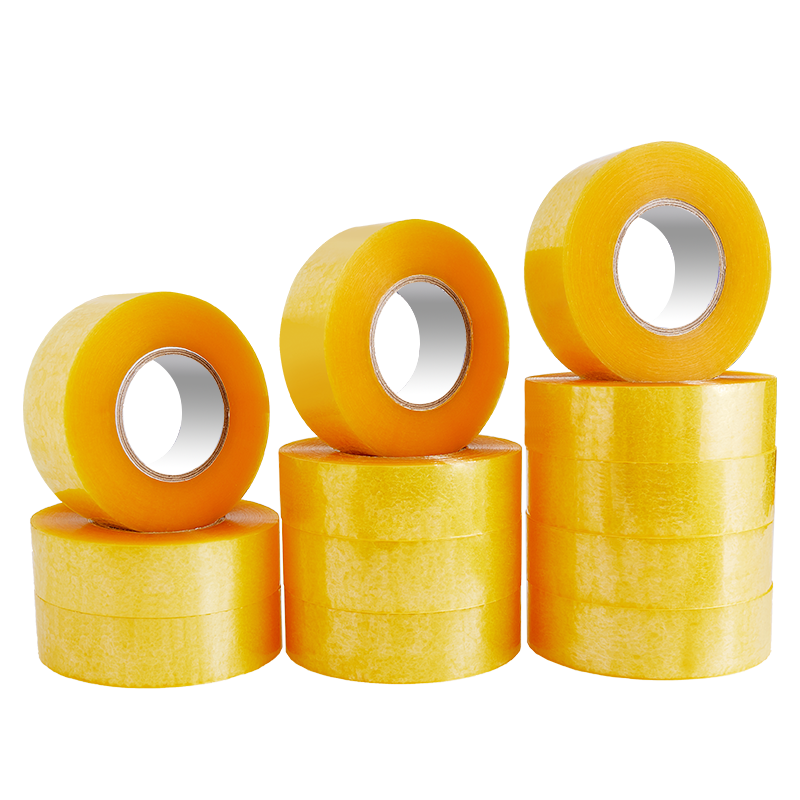
A sealing tape checklist should begin with the carton-closure task and the product identity. Confirm the tape category, intended carton or surface, application method, visible condition, and sample or specification record.
If the product is described as using virgin polypropylene, confirm that the statement applies to the relevant sealing tape product. Do not transfer a material statement from tape to stretch film, shipping carton, or another product category.
For a tape inspection record, ask:
- Which carton or surface will the tape close?
- Is the tape intended for the stated manual or equipment process?
- What sample or specification was approved?
- What condition should trigger a hold or supplier question?
6. What should a shipping carton inspection checklist verify?
A carton checklist should connect the carton to the product and packing plan. Record the product category, carton identity, packing use, visible condition, closure method, and approval status. If dimensions, board construction, or other specifications are required, write them from the approved buyer-supplier record rather than guessing them.
The buyer should also define who approves the carton and what happens when the shipment, product, or packing process changes. A checklist is useful only when the team knows which version applies to the order.
7. How should sample approval and production inspection be connected?
A sample approval should identify the product and application it covers. Before production or repeat purchasing, compare the current material with the approved record and note any changed requirement.
Do not treat one approved sample as approval for every product category or future application. If the load, carton, application method, destination, or customization changes, review the relevant lines again.
RX Packaging has operated since 2007 and is based in Foshan, Guangdong, China. Buyers can include supplier identity, manufacturing location, sample reference, and communication owner in the same inspection record.
8. What should a supplier provide during quality clarification?
Ask focused questions tied to the product and the failed or unclear checklist line. A useful clarification request includes the product identity, application, observation, expected condition, evidence requested, and required response date.
RX Packaging identifies SGS certification in its company information. Buyers should confirm the scope and current relevance of any certification during qualification instead of treating the label as proof of every product characteristic.
9. How should an inspection result be recorded?
Use a small set of decisions that the warehouse, purchasing, and quality teams understand. For example, the result may be accepted, held for clarification, approved with a documented condition, or rejected under the agreed process.
| Result | Use when | Next action |
|---|---|---|
| Accepted | The product and relevant checks match the approved record | Release it for the defined use |
| Hold | Information or evidence is incomplete | Ask the supplier and keep the item identified |
| Conditional approval | A documented condition has been accepted | Record the condition and owner |
| Rejected | The product does not meet the agreed requirement | Follow the corrective or replacement process |
Frequently Asked Questions
Can one checklist cover all packaging materials?
Yes. Use one shared record structure, but keep product-specific questions for stretch film, sealing tape, strapping band, and shipping carton.
Should buyers record only pass or fail?
No. Record the observation, product identity, evidence reviewed, decision, and next action so another team member can understand the result.
Which products should include tension, corrosion resistance, and elasticity checks?
Use those checks only where they apply to the relevant stretch film or strapping band product. Confirm product scope before applying a check.
What should a buyer do when a specification is missing?
Write the missing item as a question for the supplier. Do not create a number or acceptance limit without an agreed source.
Does sample approval cover every future order?
Not automatically. Recheck the relevant requirements when the product, application, destination, or customization changes.
Should SGS certification replace product inspection?
No. Confirm the certification scope and continue checking the product-specific requirements in the inspection record.
How can a checklist help purchasing teams?
It gives purchasing, warehouse, and quality teams the same fields for comparing samples, clarifying requirements, and recording approval decisions.
How can buyers ask RX Packaging about a quality checklist?
Send the product category, application, estimated quantity, destination, and open quality questions through the RX Packaging Contact Us page.